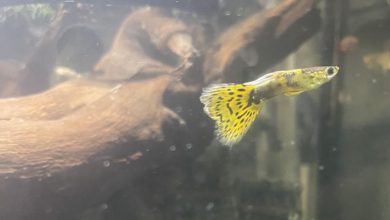
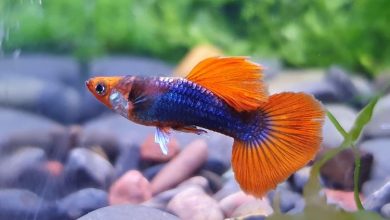
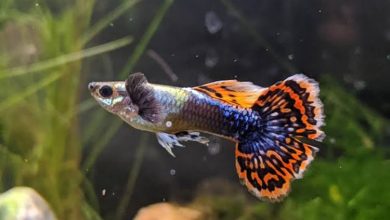
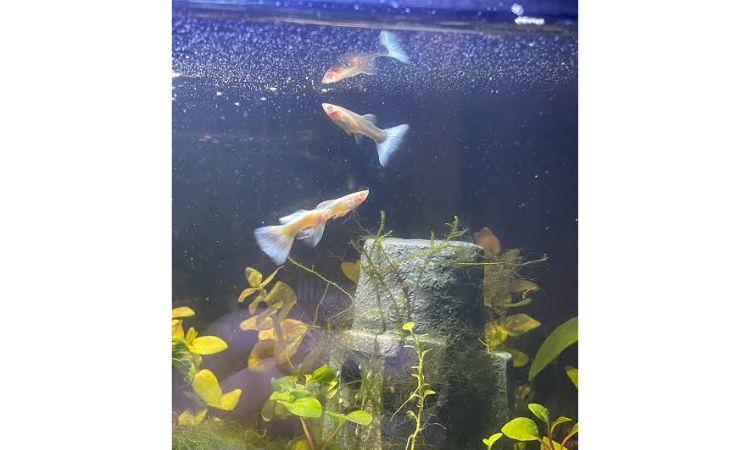
The Full Red Albino Guppy is one of those fish that immediately catches your eye. Its rich, solid red coloration, paired with distinctive red eyes and the soft, pale appearance created by the albino gene, gives it a look that’s both elegant and unmistakable. Beyond its beauty, this fancy guppy is also peaceful, hardy, and easy to care for, making it a popular choice for beginners and experienced aquarists alike.
In this complete Albino Guppy 101 guide, you’ll discover everything you need to know about keeping Full Red Albino Guppies healthy and thriving. We’ll cover their unique genetics and appearance, ideal tank setup, water parameters, feeding, compatible tank mates, breeding, common health issues, and practical care tips to help these vibrant livebearers display their best color and natural behavior.
What is an Albino Guppy? (Origins & Characteristics)
An Albino Guppy is a selectively bred variety of Poecilia reticulata that carries a recessive genetic trait responsible for albinism. Unlike wild guppies, which naturally produce dark melanin pigments, albino guppies have little to no black pigmentation. This gives them their signature red or pink eyes, pale body coloration, and a softer overall appearance. Depending on the strain, the body may range from creamy white and platinum to vibrant red, yellow, blue, or multicolored patterns.
It’s important to understand that an albino guppy is not a separate species. It belongs to the same species as every other fancy guppy but has been selectively bred over many generations to express the albino gene while preserving desirable traits such as vivid colors, large fins, or unique tail patterns.
Today, albino strains are among the most popular fancy guppies because they combine unusual genetics with striking ornamental beauty. Many breeders continue refining these bloodlines to produce healthier fish with brighter colors, stronger finnage, and more consistent offspring.
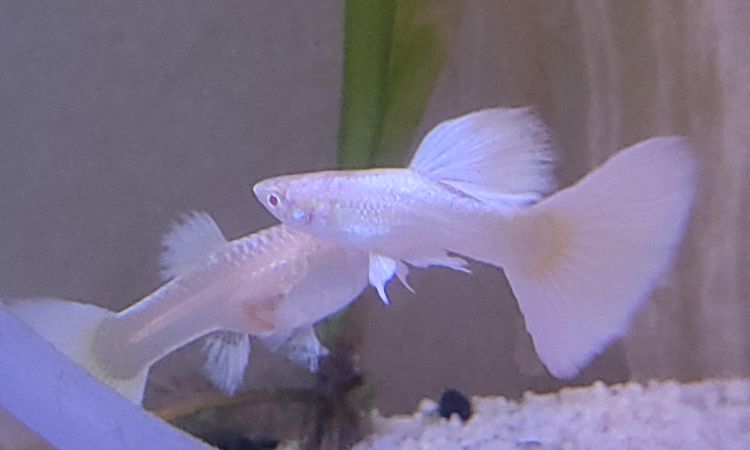
Genetics 101
Albino guppies inherit their appearance through a recessive albino gene. For a fry to display true albinism, it must receive one albino gene from each parent. If a guppy inherits only one copy of the gene, it will look like a normal guppy while silently carrying the albino trait, making it capable of producing albino offspring when paired with another carrier.
The easiest way to identify a true albino guppy is by looking at its eyes. True albinos always have red, pink, or ruby-colored eyes, because the absence of melanin allows the blood vessels beneath the eye to become visible. Fish with white or pale bodies but dark eyes are generally not albinos. They are often leucistic, blond, platinum, or another light-colored genetic variety.
The albino gene affects pigment production but does not determine the fish’s base color. As a result, breeders can combine albinism with many established guppy strains to create a wide range of colorful varieties, including solid reds, koi patterns, mosaics, snakeskins, tuxedos, and platinum lines.
Because selective breeding narrows the gene pool, maintaining healthy bloodlines requires responsible outcrossing. Reputable breeders periodically introduce unrelated fish to preserve vigor while maintaining the desired appearance.
Common Varieties
One of the reasons albino guppies remain so popular is the incredible diversity of strains available. Although every variety shares the characteristic red eyes, each has its own distinctive colors and patterns.
- Full Red Albino Guppy – One of the best-known varieties, featuring rich, solid red coloration across much of the body and fins. This strain is especially popular among hobbyists who enjoy bold, eye-catching fish.
- Albino Platinum Guppy – Recognized for its shimmering platinum-white body, metallic sheen, and elegant appearance. Under aquarium lighting, these fish often display an iridescent glow that makes them a standout centerpiece.
- Albino Koi Guppy – Combines the albino gene with koi-inspired markings, typically displaying white, red, orange, or yellow patterns reminiscent of ornamental koi carp.
- Albino Mosaic Guppy – Features intricate mosaic or lace-like markings across the caudal fin, often in shades of red, blue, orange, or multicolor combinations.
- Albino Snakeskin (Cobra) Guppy – Displays the characteristic snakeskin or cobra body pattern with fine reticulated markings and highly patterned fins.
- Albino Tuxedo Guppy – Distinguished by contrasting body coloration, where the rear half of the body appears darker or more intensely colored while the front remains lighter.
- Albino Blue or Purple Guppy – Less common varieties that combine albino genetics with metallic blue or violet hues for a unique, iridescent appearance.
Many breeders continue developing new combinations each year, so hobbyists can find countless variations featuring different tail shapes, fin lengths, and color intensities.
Size and Lifespan
Albino guppies remain relatively small throughout their lives, making them an excellent choice for nano aquariums and peaceful community tanks.
Most adult males grow to approximately 1.5–2 inches (4–5 cm), while females are typically larger, reaching 2–2.5 inches (5–6 cm) with fuller bodies to accommodate pregnancy.
With proper care, a balanced diet, and stable water conditions, albino guppies generally live 2 to 3 years, although exceptionally well-maintained fish may live even longer. Genetics also influence longevity, which is why purchasing fish from reputable breeders with healthy bloodlines is often worthwhile.
To maximize lifespan and overall health, provide:
- Stable, well-cycled water conditions
- A varied omnivorous diet rich in both plant and protein sources
- Regular partial water changes
- A peaceful aquarium with compatible tank mates
- Plenty of swimming space and plant cover
While the albino gene itself does not make guppies difficult to keep, their lighter pigmentation can make them appear more sensitive to stress or poor water quality. Consistent aquarium maintenance and minimizing sudden environmental changes will help these beautiful livebearers stay active, colorful, and healthy for years.
Ideal Albino Guppy Water Parameters
Although Albino Guppies are generally hardy fish, they can be a little less forgiving of unstable aquarium conditions than many standard guppy strains. Their lack of melanin doesn’t change their basic care requirements, but many experienced breeders have found that albino varieties tend to show signs of stress more quickly when water quality declines. Keeping the environment clean, stable, and well-maintained is one of the best ways to ensure vibrant coloration, strong immune function, and a long, healthy life.
Water Temperature: 74–80°F (23–27°C)
Albino Guppies thrive in warm tropical water, with 76–78°F (24–26°C) often considered the ideal range for everyday care. This temperature supports healthy metabolism, digestion, immune function, and breeding activity.
While they can tolerate temperatures from about 72–82°F (22–28°C), sudden fluctuations are far more harmful than remaining slightly above or below the ideal range. Use a reliable aquarium heater and thermometer to keep temperatures consistent throughout the day and night.
If you’re raising fry, maintaining the aquarium around 78°F (26°C) can encourage steady growth while helping reduce stress.
pH Level: 7.0–8.0
Albino Guppies naturally perform best in neutral to slightly alkaline water, with an ideal pH between 7.2 and 7.8. These conditions closely resemble the mineral-rich habitats where wild guppies originated and where most captive strains have been selectively bred for generations.
Although they can adapt to a somewhat wider pH range, stability is far more important than chasing an exact number. Frequent swings in pH can weaken their immune system, reduce appetite, and increase susceptibility to disease.
Rather than trying to adjust pH with chemicals, focus on maintaining consistent water chemistry through regular maintenance and routine water changes.
Water Hardness (dGH): 8–18 dGH
Unlike many tropical fish that prefer soft water, guppies generally appreciate moderately hard to hard water because it contains important minerals such as calcium and magnesium.
A general hardness (GH) of 8–18 dGH provides an excellent environment for Albino Guppies. Adequate mineral content supports:
- Healthy bone and skeletal development
- Proper muscle and nerve function
- Successful breeding
- Strong fry growth
- Improved overall vitality
If your tap water is naturally very soft, adding a quality remineralizer designed for freshwater aquariums may help maintain healthier long-term conditions.
Ammonia, Nitrites & Nitrates
Excellent water quality is essential for every guppy, but it is especially important for albino strains.
Aim for the following values:
- Ammonia: 0 ppm
- Nitrite: 0 ppm
- Nitrate: Below 20 ppm (preferably under 10–15 ppm for breeding tanks)
Even low levels of ammonia or nitrite can quickly stress Albino Guppies, damaging their delicate gills and making them more vulnerable to bacterial infections, parasites, and fin problems.
Weekly partial water changes of 20–30%, regular substrate cleaning, and avoiding overfeeding are simple habits that help keep nitrate levels under control and maintain excellent water quality.
Pro Tip
One of the biggest mistakes new fish keepers make is introducing guppies into a tank that hasn’t completed the nitrogen cycle.
During aquarium cycling, ammonia and nitrite levels rise before beneficial bacteria become established. While many hardy fish struggle during this process, Albino Guppies often react even more poorly to these toxic spikes, showing stress through clamped fins, loss of appetite, faded coloration, rapid breathing, or lethargy.
Before adding your fish, confirm that the aquarium is fully cycled and consistently testing:
- 0 ppm ammonia
- 0 ppm nitrite
- Low, stable nitrate levels
Once the biological filter is established, maintaining stable water parameters becomes much easier, allowing your Albino Guppies to display their brightest colors, strongest breeding performance, and healthiest overall condition for years to come.
Setting Up the Perfect Albino Guppy Tank
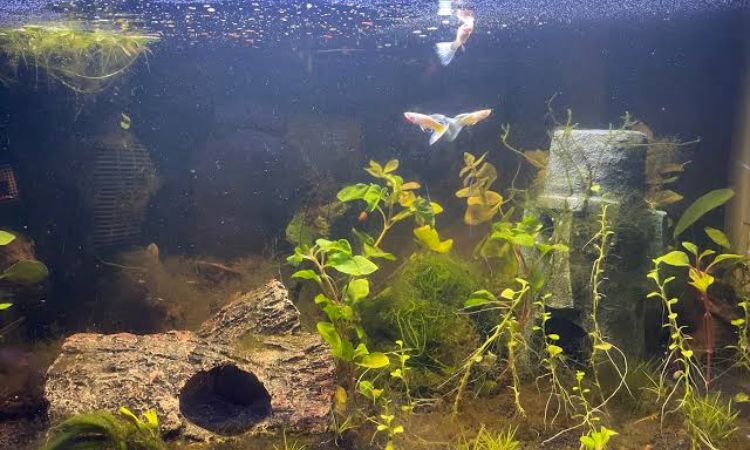
Creating the right environment is one of the easiest ways to keep Albino Guppies healthy, active, and brilliantly colored. While they aren’t demanding fish, a thoughtfully designed aquarium helps reduce stress, encourages natural behavior, and allows these elegant livebearers to display their best appearance. The goal is to provide stable water conditions, gentle water movement, plenty of swimming space, and enough cover for the fish to feel secure.
Minimum Tank Size
Albino Guppies may be small, but they are energetic swimmers that spend much of the day exploring the upper and middle levels of the aquarium. Giving them adequate space improves water stability and reduces territorial behavior among males.
A 5- to 10-gallon aquarium is suitable for a small trio (one male and two females) or a small same-sex group if regular maintenance is performed.
For most hobbyists, however, a 20-gallon or larger aquarium is a much better long-term choice. The additional water volume offers several advantages:
- More stable water chemistry
- Greater swimming space
- Reduced stress from crowding
- Easier maintenance
- More room for plants and decorations
- Better options for peaceful community fish
If you plan to breed Albino Guppies or keep multiple males, a larger aquarium makes it easier to maintain healthy social dynamics while providing enough hiding places for females and fry.
Filtration
Albino Guppies prefer calm water with gentle circulation rather than strong currents. Their flowing fins aren’t designed for constantly swimming against fast-moving water, and excessive flow can cause unnecessary stress and fatigue.
A sponge filter is often considered the best filtration option because it offers several benefits:
- Gentle water movement
- Excellent biological filtration
- Safe for newborn fry
- Continuous oxygenation
- Low maintenance and reliable operation
If you’re using a hang-on-back or canister filter, reduce the output flow with a spray bar, sponge pre-filter, or flow diffuser. The goal is to keep the water clean without creating powerful currents that push the fish around the aquarium.
Regardless of the filter type, regular maintenance is essential to preserve beneficial bacteria while keeping water quality consistently high.
Lighting Considerations
Lighting deserves extra attention when keeping Albino Guppies. Because they lack melanin, albino fish have reduced pigmentation in their eyes, making them more sensitive to intense illumination than many standard guppy strains.
Bright aquarium lights won’t necessarily harm them, but excessive exposure can contribute to stress, cause the fish to seek constant shelter, and make them appear less active.
To create a more comfortable environment:
- Choose moderate LED lighting rather than extremely bright fixtures.
- Keep the photoperiod around 8–10 hours per day.
- Add floating plants to soften direct light.
- Create shaded sections where fish can retreat whenever they choose.
- Avoid leaving powerful lights on for 12 hours or longer, as prolonged exposure can increase stress and encourage algae growth.
Using a timer helps maintain a consistent day-and-night cycle, supporting both healthy fish behavior and plant growth.
Decor & Substrate
An attractive aquascape benefits both the fish and the overall appearance of your aquarium. Albino Guppies often look especially striking against darker backgrounds, where their pale bodies, red eyes, and colorful fins create a beautiful contrast.
A dark gravel or black sand substrate can make their colors appear even more vibrant while helping the aquarium feel more natural.
Live plants are strongly recommended because they provide shelter, improve water quality, and create a more secure environment. Excellent choices include:
- Java Fern
- Anubias
- Hornwort
- Java Moss
- Water Sprite
- Amazon Frogbit
- Salvinia
- Red Root Floater
If maintaining live plants isn’t practical, high-quality silk plants are a good alternative since they offer cover without the sharp edges that can damage delicate fins.
Complete the setup with smooth driftwood, rounded stones, or natural decorations that create open swimming lanes alongside densely planted areas. This combination allows Albino Guppies to swim freely while always having a safe place to retreat.
Feeding and Nutrition
A balanced diet keeps Albino Guppies healthy, supports breeding, strengthens their immune system, and helps them display their best coloration. While these fish are easy to feed, offering a variety of nutritious foods produces much better results than relying on a single food source.
Omnivorous Diet
Albino Guppies are omnivores, requiring both plant-based and animal-based foods. A varied diet supports healthy growth, digestion, and overall vitality.
Include foods such as:
- Spirulina and algae-based ingredients
- High-quality fish proteins
- Small crustaceans and insect larvae
- Occasional vegetable matter like blanched spinach or peas
Rotating different foods throughout the week helps provide a complete nutritional profile.
Best Commercial Foods
Choose a high-quality micro-pellet or fine flake food made for guppies or other livebearers as the staple diet.
Look for formulas containing:
- 35–45% protein
- Spirulina or algae
- Natural color enhancers such as astaxanthin or carotenoids
- Added vitamins and minerals
Quality commercial foods provide consistent nutrition and help maintain healthy growth, reproduction, and vibrant red or yellow pigmentation found in many albino strains.
Live & Frozen Treats
Offer live or frozen foods 1–3 times per week to add variety and improve conditioning.
Good choices include:
- Baby brine shrimp
- Daphnia
- Bloodworms (in moderation)
- Mosquito larvae
These protein-rich foods are especially beneficial for breeding adults, pregnant females, and growing juveniles.
Feeding Schedule
Feed Albino Guppies twice daily, offering only what they can consume within about two minutes.
A simple routine works well:
- Morning: High-quality pellets or flakes
- Evening: Pellets, flakes, or an occasional live/frozen treat
Avoid overfeeding, as leftover food quickly reduces water quality and increases ammonia and nitrate levels. Small, consistent meals are healthier than one large feeding each day.