Goldfish may have a reputation for eating anything they can find, but thriving takes far more than dropping random flakes into the tank. From sleek single-tailed commons to delicate fancy varieties like Ranchus, Orandas, and Black Moors, every goldfish benefits from a diet that supports healthy digestion, steady growth, and vibrant coloration. The right combination of pellets, vegetables, frozen foods, and occasional treats can make a noticeable difference in both appearance and long-term health.
To help you choose with confidence, we’ve compared the most trusted options used by experienced aquarists and evaluated them based on ingredient quality, digestibility, nutritional balance, and everyday performance. Here are the 10 Best Goldfish Foods, Reviewed by Aquarium Experts.
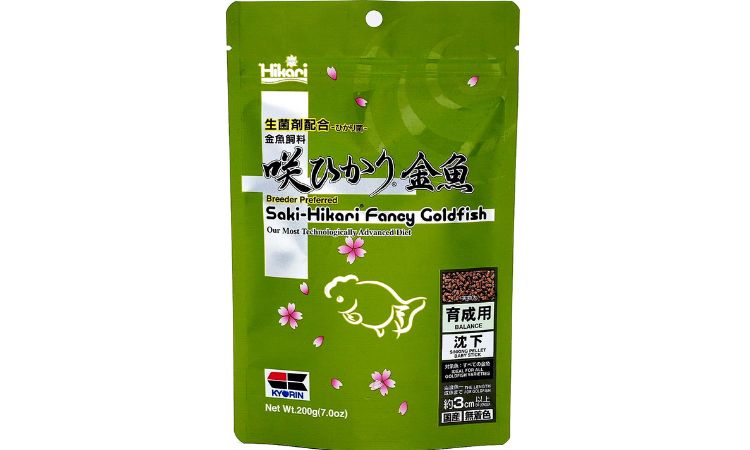
1. Saki-Hikari Fancy Goldfish
Best for: Fancy goldfish and daily feeding
Saki-Hikari Fancy Goldfish is widely considered one of the highest-quality prepared diets designed specifically for fancy goldfish. These slow-sinking pellets are formulated for fish with rounded body shapes that may be more susceptible to digestive discomfort and buoyancy issues than single-tailed varieties.
The formula combines premium marine proteins with wheat germ, seaweed, probiotics, and stabilized vitamins to promote efficient digestion and nutrient absorption. Its probiotic blend supports a balanced intestinal microbiome, while ingredients such as spirulina and astaxanthin help maintain vibrant natural coloration without relying on artificial dyes.
The pellets soften gradually after entering the water, allowing goldfish to eat comfortably while reducing waste from rapidly disintegrating food.
Pros
- Specifically developed for fancy goldfish
- Contains probiotics to support digestive health
- Rich in marine-based protein sources
- Includes natural color-enhancing ingredients
- Slow-sinking pellets encourage natural feeding behavior
Considerations
- Premium pricing compared with standard pellet foods
- Larger fish may require multiple pellets per feeding
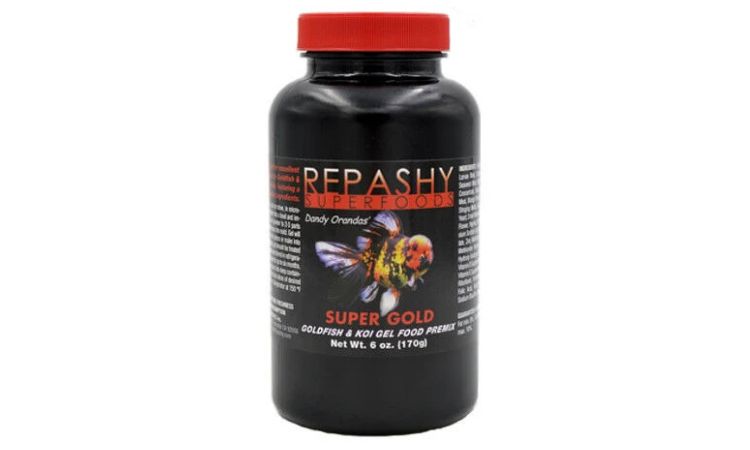
2. Repashy Super Gold Gel Food
Best for: Sensitive digestion and dietary variety
Repashy Super Gold offers a different approach from traditional pellets by providing a soft gel-based diet. After mixing the powder with hot water, it forms a moist food that closely resembles the texture of many natural aquatic foods.
The recipe contains a broad mixture of seafood proteins, algae, insect ingredients, plant matter, vitamins, minerals, and carotenoids, creating a nutritionally diverse staple. Because the finished food contains a high percentage of moisture, many keepers find it especially suitable for fancy goldfish that benefit from easily digested meals.
The soft consistency also allows owners to cut portions into any size, making it suitable for juvenile fish as well as large adults.
Pros
- High moisture content supports healthy digestion
- Easy to customize serving sizes
- Excellent ingredient diversity
- Suitable for long-term staple feeding
- Produces relatively little floating debris
Considerations
- Requires preparation before feeding
- Finished gel must be refrigerated and used within the recommended storage period
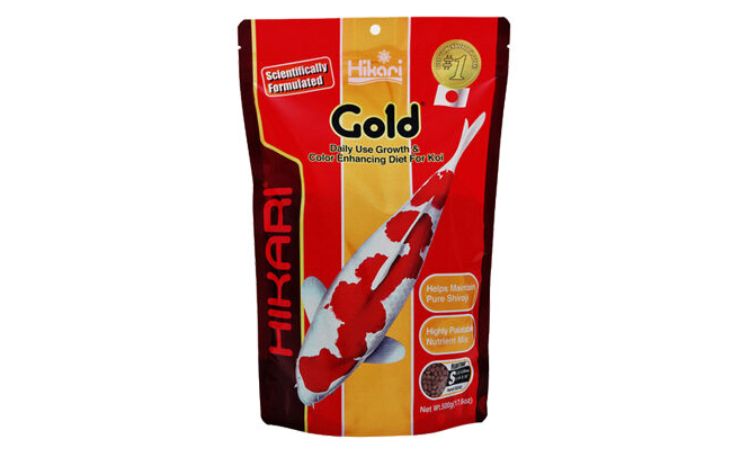
3. Hikari Gold
Best for: Growing goldfish and pond varieties
Although originally formulated for koi and larger goldfish, Hikari Gold has become a dependable staple for many hobbyists raising common, comet, and shubunkin goldfish. The floating pellets contain a balanced combination of fish meal, wheat germ, vitamins, and natural carotenoids designed to support growth and maintain healthy coloration.
Floating pellets also make it easy to monitor appetite and observe each fish during feeding, allowing owners to identify potential health issues early. Contrary to a common misconception, floating food alone has not been shown to cause swim bladder disease in healthy goldfish. Overall diet quality, genetics, digestive health, water quality, and feeding practices all play much larger roles.
Because the pellets remain intact for a reasonable period, they generally produce less fine debris than lower-quality flake foods.
Pros
- Balanced nutrition for everyday feeding
- Supports steady growth and color development
- Easy to monitor feeding response
- Suitable for larger goldfish and pond fish
- Widely available
Considerations
- Floating pellets may not be preferred for some fancy varieties
- Soaking pellets briefly before feeding may benefit fish prone to digestive issues
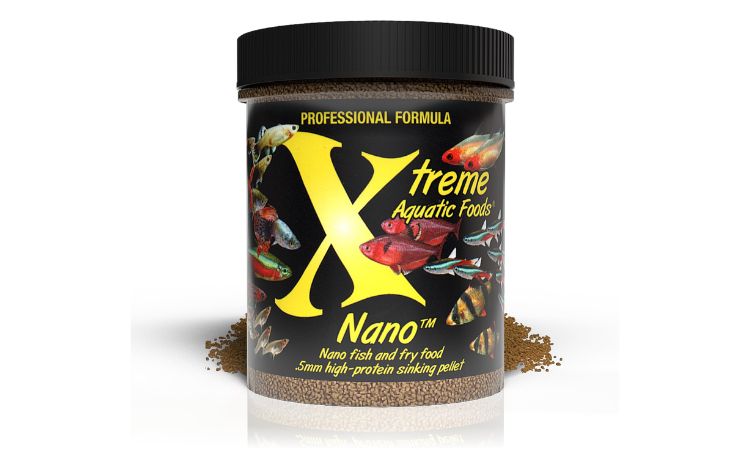
4. Xtreme Pellets
Best for: Community aquariums with omnivorous fish
Xtreme Pellets are popular among experienced aquarists because they use high-quality marine protein ingredients instead of relying heavily on inexpensive fillers. Depending on pellet size and buoyancy, they can be used for both juvenile and adult goldfish.
The formula typically includes krill, shrimp, squid, fish meal, spirulina, vitamins, and trace minerals, providing a balanced nutritional profile suitable for omnivorous freshwater species. Natural proteins support muscle development, while algae-based ingredients contribute fiber and beneficial pigments.
Available in floating and slow-sinking versions, Xtreme Pellets allow keepers to choose the feeding style that best matches their aquarium and the behavior of their fish.
Pros
- High-quality marine protein sources
- Available in multiple pellet sizes
- Suitable for goldfish and mixed-species aquariums
- Contains natural algae and carotenoid sources
- Good overall digestibility
Considerations
- Availability varies by region
- Selecting the appropriate pellet size is important for smaller fish
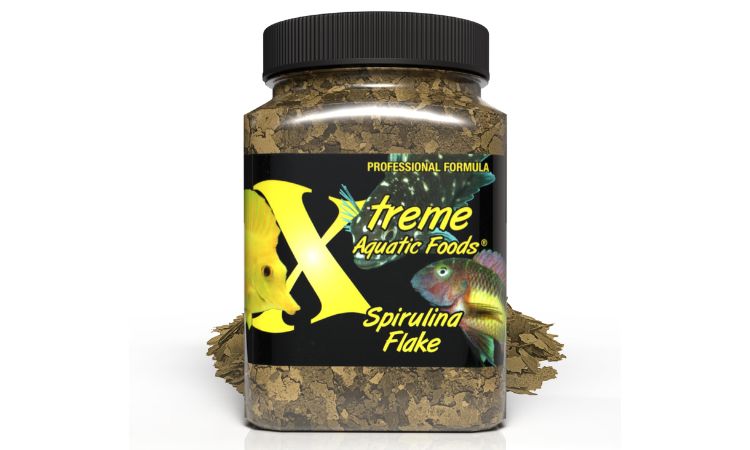
5. Xtreme Spirulina Flake
Best for: Supplemental plant nutrition
While goldfish require adequate protein, they also benefit from regular consumption of plant-based ingredients. Xtreme Spirulina Flake provides an easy way to increase vegetable matter in the diet without sacrificing overall nutritional balance.
Spirulina is rich in carotenoids, vitamins, antioxidants, essential fatty acids, and naturally occurring pigments that support immune function and healthy coloration. The flakes can be crushed into smaller particles for juvenile fish or fed whole to adults.
Although it should not replace a complete staple pellet or gel diet, this food works well as part of a varied weekly feeding schedule alongside vegetables, frozen foods, and high-quality prepared diets.
Pros
- Rich source of spirulina and plant nutrients
- Helps diversify the weekly diet
- Easy to feed to fish of different sizes
- Supports natural coloration
- Suitable for both juveniles and adults
Considerations
- Best used as a complementary food rather than the sole diet
- Flakes should be stored carefully to maintain freshness
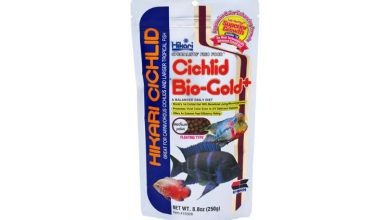
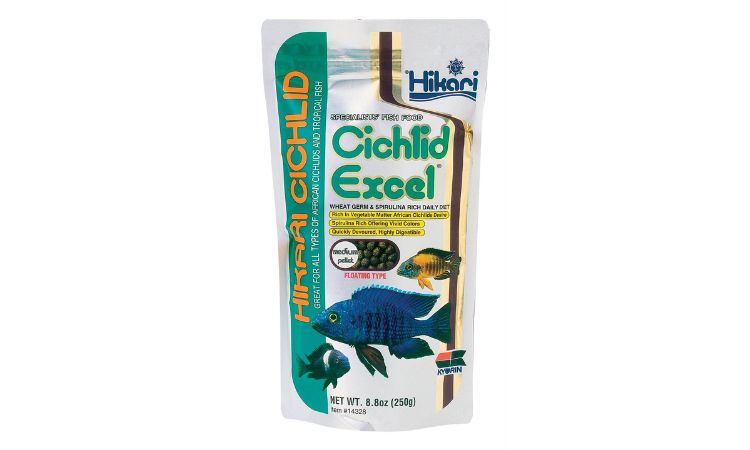
6. Hikari Cichlid Excel
Best for: Goldfish that benefit from additional plant-based nutrition
Despite being formulated for herbivorous and omnivorous cichlids, Hikari Cichlid Excel has earned a place in many experienced goldfish keepers’ feeding rotations because of its balanced ingredient profile. The pellets combine quality fish proteins with wheat germ, spirulina, alfalfa, and seaweed, providing both animal- and plant-based nutrition that aligns well with the omnivorous nature of goldfish.
Wheat germ is especially valued because it is highly digestible, even in cooler water temperatures where goldfish metabolism naturally slows. Spirulina contributes antioxidants and naturally occurring carotenoids that help maintain healthy coloration, while vitamins A, D3, E, and stabilized vitamin C support normal immune function and overall health.
Although this food was not developed specifically for goldfish, it works well as part of a varied feeding schedule rather than as the sole daily diet.
Pros
- Good balance of protein and plant ingredients
- Wheat germ supports easy digestion
- Contains spirulina for natural color enhancement
- Rich in essential vitamins and minerals
- Suitable as part of a rotating diet
Considerations
- Designed for cichlids rather than goldfish
- Best used alongside a dedicated goldfish staple food
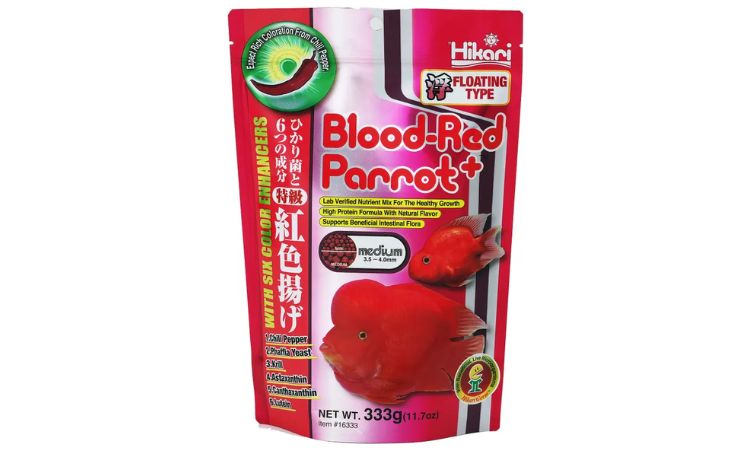
7. Hikari Blood Red Parrot+
Best for: Enhancing natural coloration
Goldfish naturally develop brighter colors when they receive adequate nutrition and appropriate environmental conditions. Hikari Blood Red Parrot+ is commonly used by advanced hobbyists as a supplemental food because it contains multiple naturally derived pigments that support red, orange, and yellow coloration.
Its recipe includes krill, astaxanthin, lutein, marigold extract, paprika, and other carotenoid-rich ingredients that contribute to pigment development without relying heavily on artificial color additives. Probiotics and quality protein sources further support healthy growth and digestion.
Since this food emphasizes color enhancement, it is most effective when offered a few times each week rather than replacing a complete staple diet.
Pros
- Rich in natural carotenoids
- Helps maintain vibrant coloration
- Includes probiotics for digestive support
- High-quality marine protein ingredients
- Works well in a varied feeding routine
Considerations
- Intended primarily as a supplemental food
- Excessive use is unnecessary if fish already receive a balanced diet
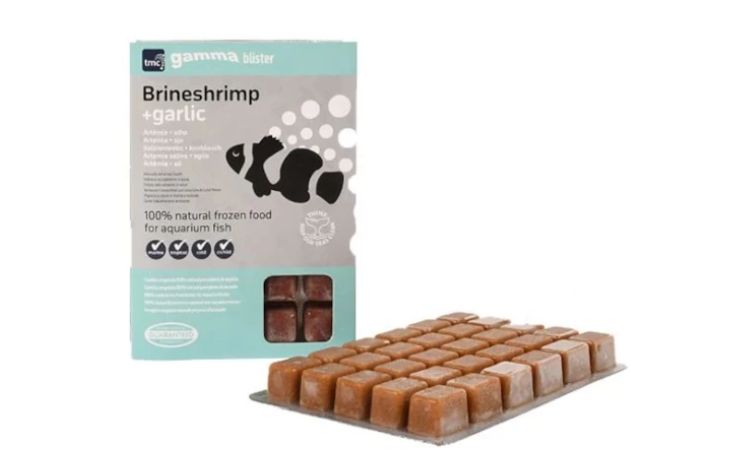
8. Frozen Fish Food
Best for: Protein-rich variety and natural feeding behavior
Frozen foods closely resemble many of the small aquatic animals goldfish consume in natural environments. Common options include brine shrimp, daphnia, bloodworms, mysis shrimp, and krill. These foods provide highly digestible protein while retaining much of their natural moisture, making them an excellent supplement to prepared diets.
Among these choices, daphnia and spirulina-enriched brine shrimp are especially valuable because their exoskeletons contribute dietary roughage that helps support normal digestion. Bloodworms are highly palatable but should be fed in moderation due to their higher protein content.
Most frozen foods are sold as individual cubes, making portion control simple. Always thaw frozen food before feeding and avoid adding excess thawing liquid to the aquarium to minimize unnecessary nutrient buildup.
Pros
- High-quality source of animal protein
- Encourages natural foraging behavior
- High moisture content supports hydration
- Adds variety to weekly feeding
- Available in several nutritious options
Considerations
- Requires freezer storage
- Should supplement—not replace—a complete prepared diet
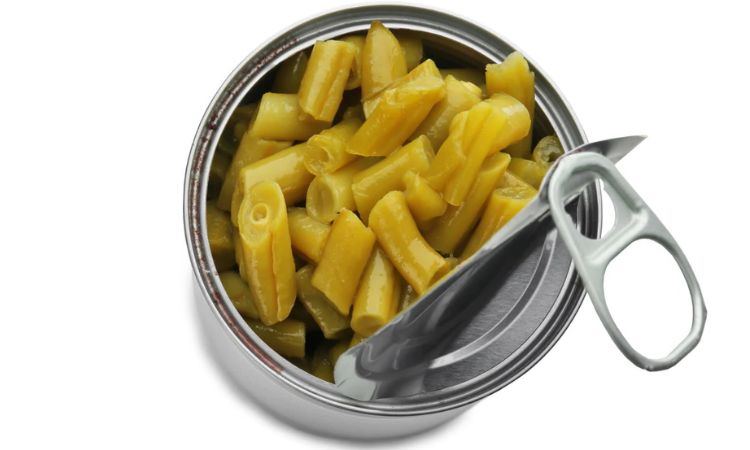
9. Vegetables
Best for: Increasing dietary fiber
Plant matter plays an important role in a balanced goldfish diet, particularly for fancy varieties that may be more prone to digestive issues because of their compact body shape. Offering vegetables several times each week increases fiber intake and encourages natural grazing behavior.
Suitable choices include blanched zucchini, spinach, romaine lettuce, green beans, and shelled peas. Blanching tougher vegetables softens the texture, allowing fish to graze more easily while preserving much of their nutritional value.
Peas are frequently recommended by hobbyists for fish experiencing temporary constipation. While they can be useful as part of a high-fiber meal, they should not be viewed as a universal treatment for buoyancy problems, since swim bladder disorders can have many different underlying causes.
Removing uneaten vegetables after several hours helps maintain good water quality.
Pros
- Excellent natural source of fiber
- Supports digestive health
- Encourages grazing behavior
- Inexpensive and readily available
- Adds dietary variety
Considerations
- Should be prepared before feeding when necessary
- Uneaten portions should be removed promptly
10. Leftover Plants and Algae
Best for: Natural enrichment and supplemental nutrition
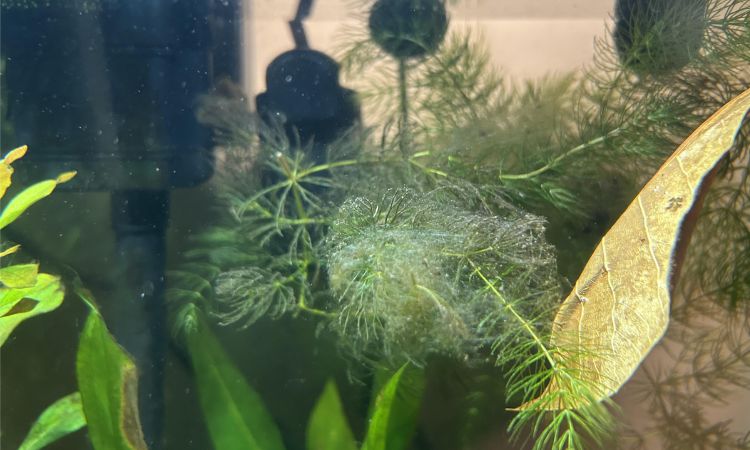
Goldfish spend much of their day browsing for edible material, making aquarium plants and naturally occurring algae valuable sources of enrichment. Fast-growing floating plants such as duckweed, frogbit, water lettuce, and excess stem plant trimmings are commonly consumed by goldfish and can provide additional vitamins, minerals, and fiber.
Likewise, soft green algae growing on rocks or decorations is often grazed throughout the day. This constant browsing more closely reflects natural feeding behavior than relying solely on scheduled meals.
Not every aquarium plant can withstand goldfish, however. Delicate species are often eaten quickly, while tougher plants such as Anubias, Java fern, and some larger Cryptocoryne species generally tolerate grazing better.
Plant material should complement a complete commercial diet rather than replace it, since aquatic vegetation alone cannot provide all of the protein and essential nutrients goldfish require for long-term health.
Pros
- Encourages natural grazing behavior
- Provides supplemental fiber and micronutrients
- Reduces plant waste from aquarium maintenance
- Offers environmental enrichment
- Can supplement regular feedings between meals
Considerations
- Does not provide complete nutrition by itself
- Soft plants may be consumed rapidly by larger goldfish