Discus are among the most demanding freshwater fish when it comes to nutrition, and their appearance reflects the quality of every meal they receive. A diverse feeding routine built around high-protein sinking foods, complemented by frozen or live treats, helps produce stronger bodies, brighter colors, and healthier fish. Below, we’ve rounded up the best discus food in 2026, highlighting the top choices for growth, coloration, and everyday care.
Top Commercial Pellet and Granule Foods for Discus
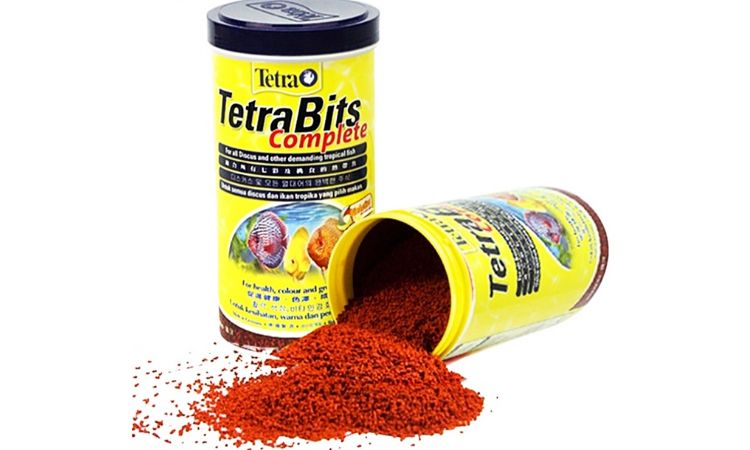
1. TetraBits Complete Discus Granules
Best Overall Daily Staple Food
TetraBits Complete Discus Granules have long been a popular staple for discus keepers because they were specifically developed for the feeding habits of discus rather than general tropical fish. The small, slow-sinking granules remain suspended in the middle water column before gradually settling, giving discus plenty of time to feed naturally without rushing to the surface.
The formula provides a balanced combination of high-quality fish proteins, marine ingredients, vitamins, and trace minerals to support daily maintenance, muscle development, and healthy body condition. While the crude protein level is moderate compared to premium breeder formulas, it is suitable for most adult discus kept in community or display aquariums.
Another advantage is its digestibility. The granules soften quickly after entering the water, making them easy for discus to consume while producing relatively little dust compared to many traditional flakes. Better digestibility often results in less uneaten food and reduced organic waste, helping maintain water quality—an important consideration since discus are highly sensitive to deteriorating water conditions.
The diet also includes natural color-supporting ingredients and carotenoids that help maintain rich reds, blues, and turquoise patterns when combined with varied nutrition. Rather than relying solely on this food, most experienced hobbyists pair it with frozen bloodworms, mysis shrimp, brine shrimp, or other protein-rich treats throughout the week for a more complete nutritional profile.
Highlights
- Slow-sinking granules designed for discus feeding behavior
- Balanced nutrition suitable as a daily staple
- Easy to digest with relatively low waste production
- Supports healthy coloration when combined with a varied diet
- Appropriate for adult discus and growing juveniles
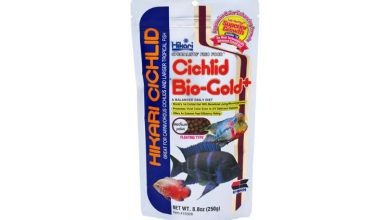
2. Hikari Tropical Discus Bio-Gold
Best for Water Clarity and Immune Support
Hikari Tropical Discus Bio-Gold is formulated specifically for discus and has earned a strong reputation among breeders for its excellent acceptance and clean-feeding characteristics. The pellets soften rapidly without disintegrating immediately, allowing discus to consume them before they break apart and contribute excess debris to the aquarium.
The formula contains premium marine and fish proteins alongside ingredients selected to promote steady growth and maintain body mass. One of its distinguishing features is the inclusion of stabilized vitamin C, which supports collagen production, tissue repair, and normal immune function. This vitamin remains more stable during storage than conventional vitamin C, helping ensure fish receive consistent nutritional value.
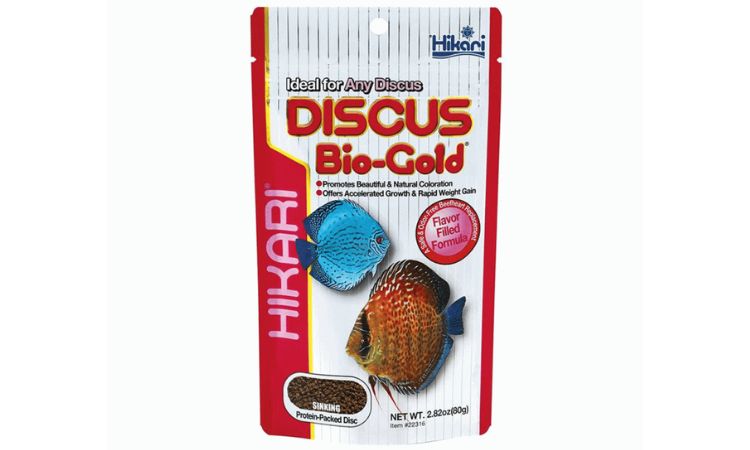
Garlic is also incorporated into the recipe as a natural feeding stimulant. While garlic should not be viewed as a treatment for disease, many aquarists find that it encourages hesitant or newly imported discus to begin accepting prepared foods more readily.
The pellet size is well suited for medium and adult discus, making it easy for fish to consume without excessive chewing or fragmentation. Because the pellets remain intact during feeding, less fine particulate matter enters the water, which can contribute to cleaner aquariums when combined with appropriate feeding practices and regular maintenance.
For keepers raising juvenile discus or conditioning breeding pairs, Bio-Gold performs best as part of a rotating feeding schedule that also includes frozen or live foods to increase dietary diversity.
Highlights
- Specifically formulated for discus
- Stabilized vitamin C supports normal immune function
- Garlic helps improve food acceptance in many fish
- Softens quickly while maintaining pellet integrity
- Produces relatively little waste when fed appropriately
3. Ocean Nutrition Formula One Small Pellets
Best High-Protein Daily Formula
Ocean Nutrition Formula One Small Pellets are an excellent option for hobbyists seeking a protein-rich prepared diet built around whole marine ingredients rather than heavy reliance on plant-based fillers. The recipe incorporates fresh seafood such as salmon and squid, along with kelp and other marine components that provide a broad range of amino acids, fatty acids, vitamins, and minerals.
This diverse protein profile closely matches the nutritional needs of omnivorous cichlids like discus, supporting lean muscle development, healthy fin growth, and consistent weight gain in growing fish. Because the ingredients are highly digestible, many aquarists observe strong feeding responses and reduced waste compared to lower-quality pellet foods.
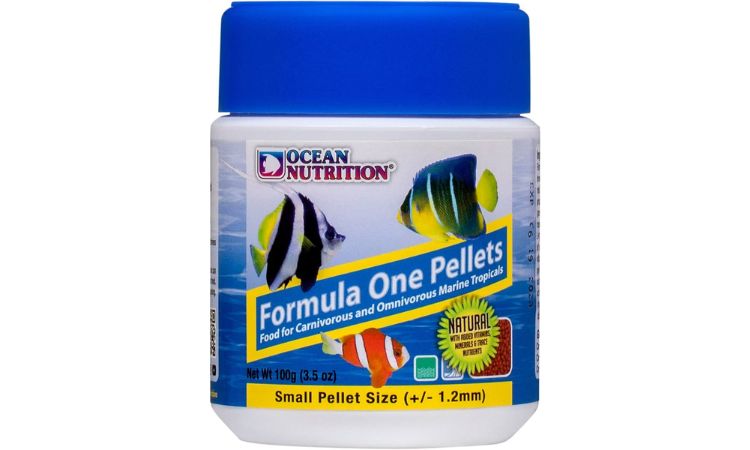
The small pellet size is particularly useful for juvenile discus transitioning from frozen foods to prepared diets, while still being readily accepted by adults. The pellets sink gradually, allowing discus to feed comfortably throughout the water column instead of competing aggressively at the surface.
Natural marine pigments found in seafood ingredients may also help maintain vivid coloration over time, especially when combined with carotenoid-rich foods such as krill, spirulina, and quality frozen diets. As with any commercial food, Formula One performs best when used as one component of a varied feeding program rather than the sole source of nutrition.
Highlights
- High-quality marine proteins from fresh seafood ingredients
- Includes salmon, squid, and nutrient-rich kelp
- Supports healthy growth and muscle development
- Small, slow-sinking pellets encourage natural feeding behavior
- Ideal as a high-protein staple alongside frozen and live foods
Best Flake Foods and Slow-Sinking Formulas
4. Ocean Nutrition Prime Reef Flakes
Best Flake Alternative for Finicky Eaters
Ocean Nutrition Prime Reef Flakes are a reliable choice for discus that hesitate to accept pellets or granules. Their soft texture and strong marine aroma make them particularly appealing to newly imported fish, juveniles transitioning to prepared foods, or adults with selective feeding habits.
The formula is built around a diverse blend of marine protein sources, including whole seafood ingredients such as fish, shrimp, squid, and plankton. This variety provides a broad amino acid profile that supports muscle development, tissue repair, and steady growth while helping maintain healthy body condition. The inclusion of marine algae also contributes vitamins, minerals, and trace nutrients that complement the protein-rich ingredients.
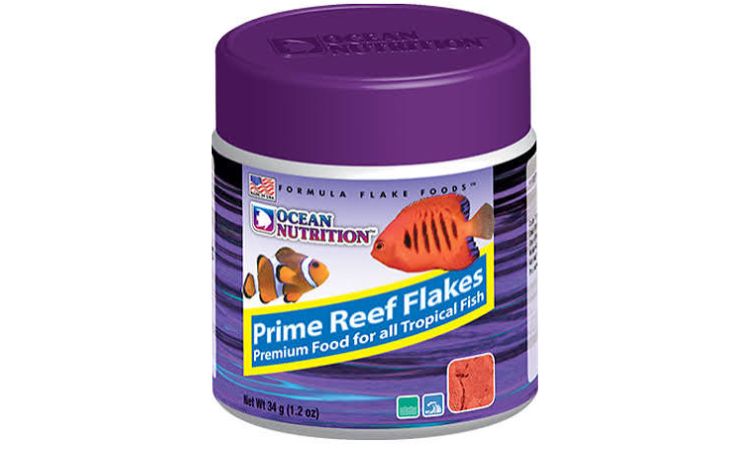
Unlike many inexpensive flake foods that rely heavily on cereal fillers, Prime Reef Flakes emphasize digestible marine ingredients. This can improve feed conversion and reduce the amount of undigested waste released into the aquarium when fish are fed appropriate portions.
Because discus naturally prefer feeding in the middle and lower areas of the tank, proper feeding technique is important when using flakes. Dry flakes often float briefly before sinking, increasing the chance that they will be drawn into filter overflows or remain uneaten at the surface. Many experienced hobbyists lightly moisten the flakes with aquarium water before feeding or gently submerge them below the surface so they sink more quickly. This simple practice allows discus to feed more naturally while minimizing food loss.
As with any flake food, offer only small portions that your fish can consume within a few minutes. Excess flakes break down rapidly and may contribute to elevated organic waste if left in the aquarium.
Highlights
- Excellent choice for discus that refuse pellets
- Rich blend of marine proteins from seafood ingredients
- Highly palatable for juveniles and newly imported fish
- Easy to soften and sink with simple feeding techniques
- Best used as part of a varied diet that includes frozen and pellet foods
5. Omega One Super Color Flakes
Best Budget-Friendly Color-Boosting Option
Omega One Super Color Flakes provide an affordable way to support vibrant coloration while delivering balanced daily nutrition for discus and other tropical cichlids. Rather than depending heavily on artificial pigments, the formula incorporates natural marine ingredients that supply carotenoids responsible for maintaining healthy color intensity.
One of its distinguishing features is the use of whole salmon and salmon skins, which naturally contain omega fatty acids and pigment-producing compounds. These ingredients are combined with shrimp, herring, and other seafood sources to provide digestible animal protein while supporting normal skin and fin health.
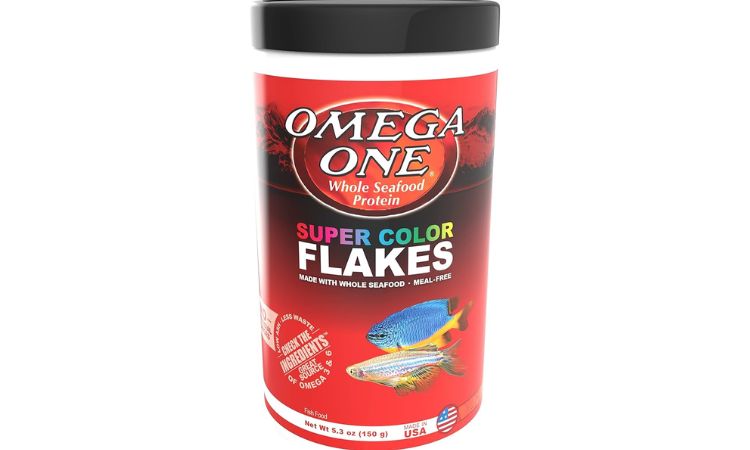
Natural carotenoids from salmon, shrimp, and additional marine ingredients may gradually intensify red, orange, and yellow pigmentation when included as part of a varied feeding program. Rather than changing a discus’ genetic coloration, these nutrients help fish express their natural colors more effectively when combined with proper water quality and overall nutrition.
The flakes soften quickly after entering the aquarium, making them easy for discus to consume. Because they break apart more readily than pellets, careful portion control is especially important. Feeding several small meals throughout the day instead of one large feeding helps reduce waste while matching the discus’ natural feeding behavior.
Although Omega One Super Color Flakes can serve as a staple prepared food, they perform best alongside other high-quality diets such as slow-sinking pellets, frozen mysis shrimp, bloodworms, or brine shrimp. Rotating foods provides a wider range of nutrients than relying on any single formula.
Highlights
- Budget-friendly daily flake for discus and other tropical fish
- Made with whole salmon and salmon skins as quality marine ingredients
- Natural carotenoids help support vibrant coloration
- Rich in digestible seafood-based protein
- Best results achieved when rotated with pellets and frozen foods
Premium Frozen and Live Foods for Maximum Growth
6. San Francisco Bay Brand Frozen Bloodworms & Mysis Shrimp
Best Supplemental Treat for Conditioning
San Francisco Bay Brand Frozen Bloodworms and Frozen Mysis Shrimp are excellent supplemental foods for discus, particularly when conditioning breeding pairs, encouraging reluctant eaters, or adding variety to a prepared-food diet. While neither should replace a balanced staple pellet or granule, both provide highly palatable protein sources that closely resemble the natural prey items discus consume in the wild.
Frozen mysis shrimp are generally the more nutritionally complete option of the two. They contain highly digestible marine protein, beneficial fatty acids, and naturally occurring micronutrients that support muscle development, fin growth, and overall body condition. Their firm texture also encourages natural feeding behavior while producing relatively little waste when fed appropriately.
Frozen bloodworms are prized for their strong feeding appeal. Even discus that refuse prepared foods often respond enthusiastically to bloodworms, making them useful for newly imported fish, individuals recovering from stress, or breeding adults that require additional energy reserves. Because bloodworms are rich but not nutritionally complete, they are best used as an occasional supplement rather than the primary protein source.
San Francisco Bay Brand uses controlled freezing and processing methods to preserve nutritional value while reducing the risk of introducing unwanted pathogens that can sometimes accompany improperly handled live foods. Although frozen foods are generally considered safer than wild-collected live foods, they should still be thawed before feeding and handled hygienically.
Overfeeding remains the biggest concern when offering frozen foods. Discus often continue eating long after they have consumed enough, increasing the risk of digestive problems, excess waste, and declining water quality. Offer only small portions that can be consumed within a few minutes, and remove any leftovers promptly.
Highlights
- Excellent supplemental food for breeding and conditioning
- Mysis shrimp provide highly digestible marine protein and healthy fats
- Bloodworms stimulate appetite in finicky discus
- Frozen processing helps reduce pathogen risks compared with many live foods
- Best fed in rotation with premium pellets and granules rather than as a complete diet
7. Hikari Bio-Pure Freeze-Dried Tubifex Worms
Best High-Energy Conditioning Food
Hikari Bio-Pure Freeze-Dried Tubifex Worms offer a convenient way to provide discus with a concentrated source of animal protein without many of the disease concerns associated with live tubifex worms. The freeze-drying process helps preserve nutrients while significantly reducing the risk of harmful bacteria and parasites that may be present in poorly sourced live worms.
Tubifex worms are naturally rich in protein and energy, making them particularly valuable when conditioning breeding pairs, supporting recovering fish, or encouraging weight gain in juveniles. Their soft texture after rehydration also makes them readily accepted by most discus, even individuals that are reluctant to eat pellets.
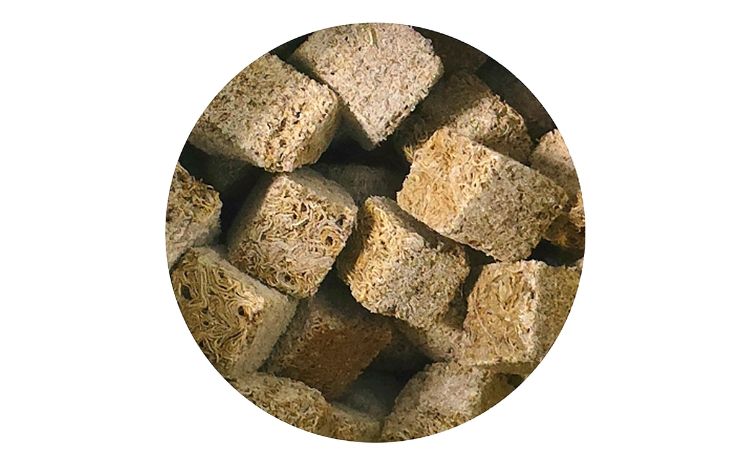
For the best results, many experienced aquarists soak freeze-dried tubifex worms in aquarium water before feeding. Rehydrating the food helps it sink more naturally, improves digestibility, and reduces the chance that fish will ingest excessive air while feeding at the surface.
Some hobbyists also soak the worms in a liquid vitamin supplement before offering them. This technique can help increase dietary variety, especially during breeding preparation or periods of rapid juvenile growth when nutritional demands are higher. While vitamin supplementation can be beneficial, it should complement a balanced feeding program rather than compensate for an inadequate staple diet.
Because tubifex worms are highly concentrated, moderation is essential. Frequent large feedings may contribute to digestive issues or unnecessary nutrient loading in the aquarium. Instead, use them as a high-value treat one or two times per week alongside quality commercial pellets, frozen mysis shrimp, and other varied protein sources.
Highlights
- High-protein conditioning food for breeding adults and growing juveniles
- Freeze-dried processing reduces disease risks associated with live tubifex
- Easily rehydrated for improved digestion and feeding response
- Can be soaked in vitamin supplements before feeding
- Best used as an occasional supplement within a varied feeding program