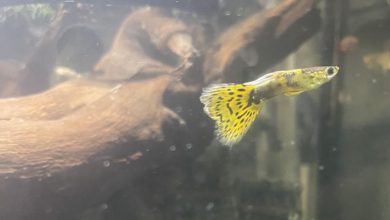
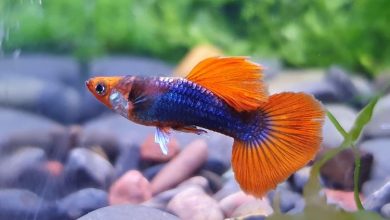
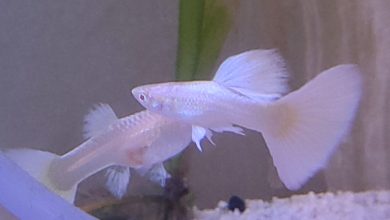
Few freshwater fish can match the elegance and visual impact of Moscow Guppies. With their rich metallic colors, flowing fins, and graceful swimming style, these fancy guppies have become a favorite among aquarists who want a stunning yet easy-to-care-for addition to their aquarium.
From the deep black tones of Black Moscow Guppies to the vibrant shades of Blue, Green, and Purple varieties, Moscow Guppies offer an incredible range of colors for both beginners and experienced breeders. In this guide, we’ll explore the different Moscow Guppy types, their appearance, pricing, tank requirements, diet, breeding habits, and essential care tips to help you keep these beautiful fish healthy and thriving.
What is a Moscow Guppy
The Moscow Guppy is one of the most recognizable and highly prized varieties of fancy guppy, admired for its rich, solid body coloration and elegant flowing fins. Unlike wild-type guppies that display multiple patterns and mixed colors, Moscow Guppies were selectively bred to develop intense, uniform colors that cover much of the body and fins. Their striking appearance has made them a favorite among guppy enthusiasts, from beginners setting up their first colorful aquarium to experienced breeders working on maintaining premium strains.
The Moscow strain belongs to the species Poecilia reticulata, the same species as common guppies found in freshwater aquariums worldwide. Although guppies originated in parts of South America and the Caribbean, Moscow Guppies were created through generations of selective breeding in the aquarium hobby rather than occurring naturally in the wild. Breeders focused on enhancing specific traits, especially deep coloration, strong body shape, and long, flowing finnage.
The name “Moscow” is associated with the development of these highly colored guppy lines, particularly those known for their intense blue, green, purple, black, and white shades. Over time, breeders produced several popular variations, including Blue Moscow, Green Moscow, Black Moscow, White Moscow, and Purple Moscow Guppies, each valued for its unique color expression.
Distinctive Appearance and Physical Characteristics
The most defining feature of a Moscow Guppy is its dense, solid coloration. Instead of the spotted patterns or mosaic designs seen in many fancy guppy strains, Moscow varieties are known for a more consistent color coverage across the body. Under aquarium lighting, their scales often create a metallic shimmer that gives them a glowing appearance.
Male Moscow Guppies are typically the showpiece fish, displaying the strongest colors and most impressive fins. Depending on the variety, males may exhibit:
- Deep sapphire blue tones in Blue Moscow Guppies
- Emerald or metallic green shades in Green Moscow Guppies
- Velvet-like black coloration in Black Moscow Guppies
- Clean, bright white coloration in White Moscow Guppies
- Rich violet or purple hues in Purple Moscow varieties
Their bodies are generally slender and streamlined, with a slightly elongated shape compared with some heavier-bodied fancy guppy strains. Mature males usually reach around 1.5 to 2 inches (4–5 cm), while females grow slightly larger, often reaching 2 to 2.5 inches (5–6 cm).
Another standout feature is their finnage. Selectively bred Moscow Guppies often develop:
- Large, flowing caudal tails
- Extended dorsal fins
- Smooth, elegant swimming movements
Females are usually less colorful than males, with shorter fins and a rounder abdomen. They may show subtle body coloration but typically lack the intense pigmentation that makes males so popular among collectors.
Maintaining True Moscow Guppy Genetics
Producing and maintaining a true Moscow Guppy line requires careful breeding practices. Because guppies reproduce quickly and easily, it is possible for unwanted traits to appear if breeders do not carefully select which fish are used for future generations.
A high-quality Moscow strain depends on preserving characteristics such as:
- Strong, consistent body coloration
- Proper fin shape and size
- Healthy body structure
- Reliable color inheritance
Breeders usually maintain separate lines to prevent accidental mixing with other guppy varieties. When different strains are crossed, the offspring may develop attractive colors, but they may no longer display the classic Moscow appearance.
For hobbyists interested in preserving specific Moscow varieties, keeping separate breeding groups is essential. This allows each color line—such as Blue Moscow or Black Moscow—to maintain its signature appearance over multiple generations.
Popular Types and Variations of Moscow Guppy
One of the reasons Moscow Guppies remain so popular among aquarium keepers is the incredible range of colors developed through selective breeding. While all Moscow varieties share the same signature traits—solid coloration, metallic shine, and elegant finnage—each color strain has its own visual appeal and breeding challenges. From deep blacks to glowing blues and vibrant reds, Moscow Guppies can transform a planted aquarium into a living display of color.
Moscow Black Guppy
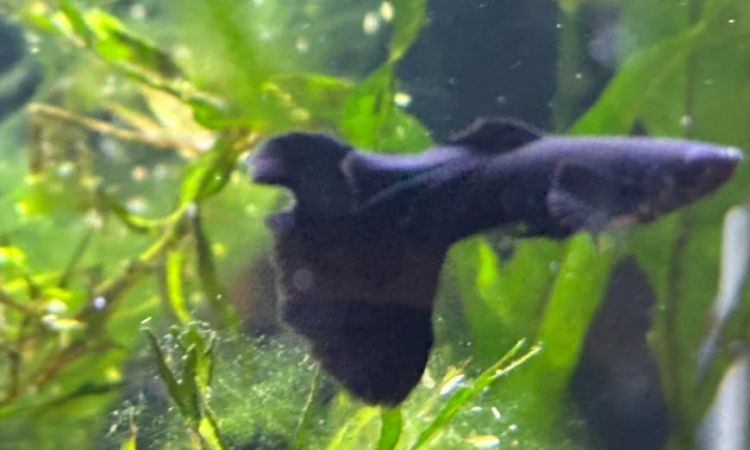
The Black Moscow Guppy is one of the most dramatic and sought-after varieties in the Moscow family. These fish are recognized for their deep, uniform black coloration that covers the body and fins, creating a velvet-like appearance under aquarium lighting.
A high-quality Black Moscow should display a rich, solid black tone rather than a washed-out gray appearance. The best specimens often have a subtle metallic sheen that gives their dark coloration more depth, especially when viewed against green plants or lighter aquarium backgrounds.
Maintaining strong black pigmentation requires careful selective breeding. Some offspring may show lighter patches or reduced intensity if the line is not maintained properly. For this reason, breeders typically choose individuals with the darkest coloration and strongest finnage to continue producing premium Black Moscow Guppies.
Moscow Blue Guppy
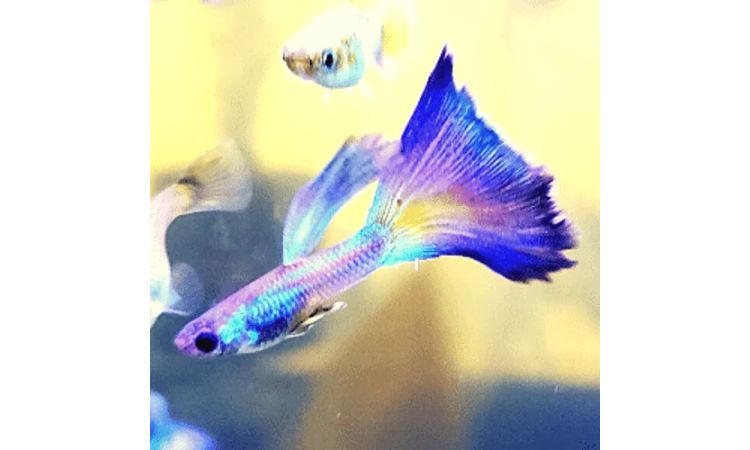
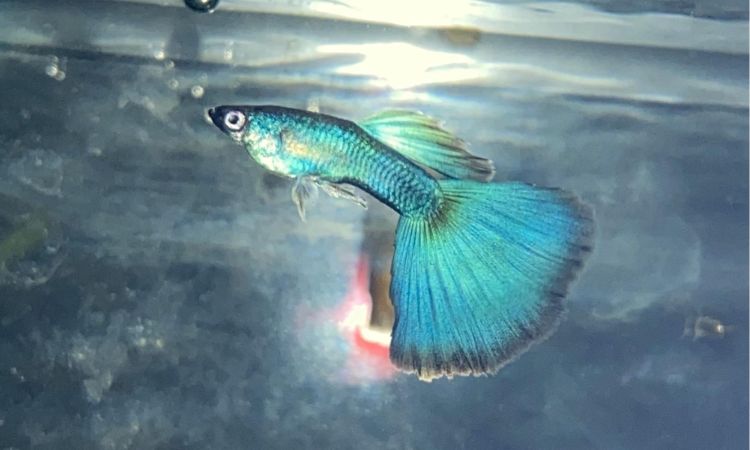
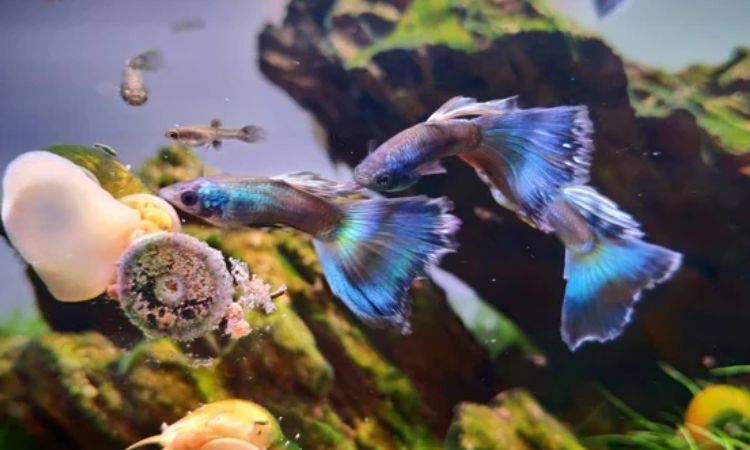
The Blue Moscow Guppy is among the most iconic varieties and is highly prized for its intense sapphire-blue coloration. Rather than displaying small blue markings, quality Moscow Blues develop a broad metallic blue color across much of the body, including the fins.
Under aquarium lights, their scales can appear almost glowing, with shades ranging from deep ocean blue to bright metallic tones depending on genetics, diet, and tank conditions. Their long flowing fins enhance the overall appearance, making them a popular choice for display aquariums.
Blue Moscow Guppies are also appreciated because they combine beauty with relatively easy care. Like other Moscow strains, they are peaceful livebearers that adapt well to planted community tanks when kept with suitable tank mates.
Moscow Purple Guppy
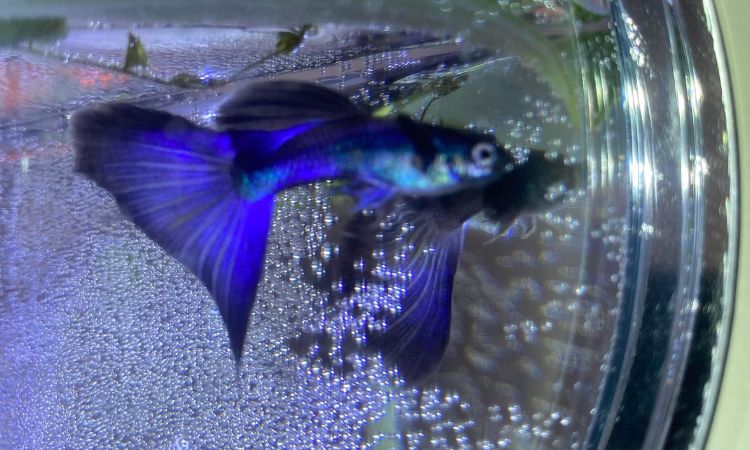
The Purple Moscow Guppy is a striking variation known for its unusual violet and royal purple coloration. This strain is especially attractive because of the metallic reflections that appear across the body, creating a shimmering effect as the fish moves through the water.
True purple coloration can be challenging to maintain because color intensity depends heavily on genetics and careful line breeding. High-quality specimens typically show a consistent purple tone rather than uneven patches or faded areas.
Because of their rarity and unique appearance, Purple Moscow Guppies are often favored by collectors who enjoy keeping specialized guppy strains. A dark substrate and planted aquarium background can help enhance their reflective colors and make their purple tones stand out.
Moscow Green Guppy
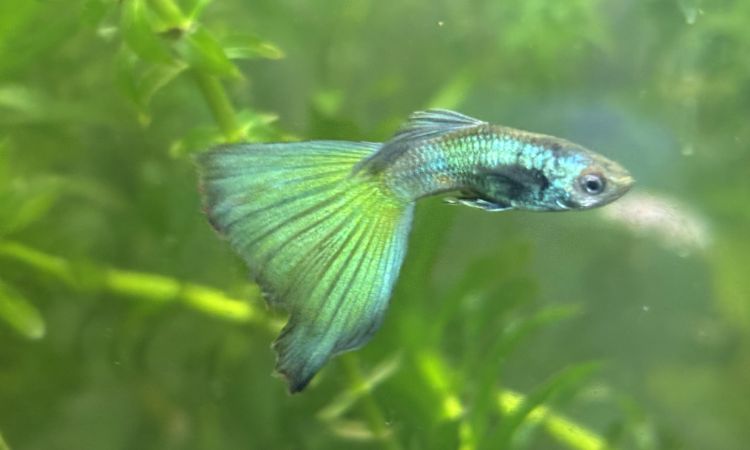
The Moscow Green Guppy is a less common but highly desirable variety known for its emerald and metallic green coloration. When viewed under proper lighting, these fish can display a deep green glow that makes them one of the most eye-catching Moscow strains.
Green pigmentation can be more difficult to stabilize compared with some other Moscow varieties. Breeders often need several generations of careful selection to maintain strong green coloration while preserving good body shape and fin development.
A healthy Moscow Green Guppy should have a balanced appearance, with even coloration across the body rather than scattered green patches. Their unique color makes them a favorite among hobbyists looking for something different from the more common blue and black Moscow strains.
Moscow Red Guppy
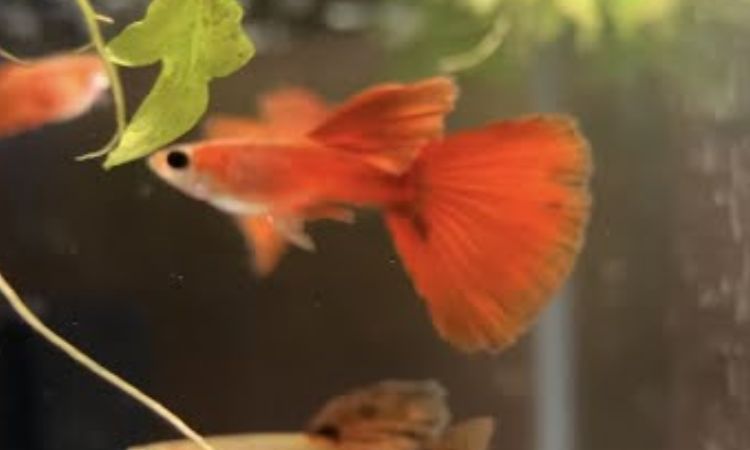
The Moscow Red Guppy stands out with its intense red coloration and bold appearance. These fish are selectively bred to produce a strong, solid red pigment across the body and fins, creating a beautiful contrast when placed against darker plants or aquarium decorations.
High-quality Moscow Reds often show a deep crimson or ruby-like shade rather than a pale orange-red. Achieving consistent red coloration requires breeders to carefully select fish with strong pigmentation and healthy genetics.
Because of their bright coloration and active personality, Moscow Red Guppies are excellent choices for hobbyists who want a colorful centerpiece fish that remains relatively easy to care for. Like other Moscow varieties, they thrive in stable freshwater conditions and can be kept in peaceful community aquariums.
Coloration and Aesthetic Appeal
Moscow Guppies are famous for their intense, solid colors and metallic shine. Unlike patterned guppy strains, Moscow varieties are bred to produce a more uniform body color that covers the scales and fins, creating a smooth and elegant appearance.
Metallic Shine from the Guanine Layer
The reflective “metallic” look of Moscow Guppies comes from the guanine layer beneath their scales. This natural reflective material scatters light, giving their bodies a shimmering, armor-like finish. Selective breeding has strengthened this trait, especially in high-quality Moscow lines, allowing colors like blue, green, black, and purple to appear deeper and more vibrant.
Under proper aquarium lighting, their scales can create a glowing effect as they move through the water, making them stand out in planted tanks and display aquariums.
Male vs. Female Coloration
Moscow Guppies show strong sexual dimorphism, with males being far more colorful than females.
Male Moscow Guppies are smaller, usually around 1.5–2 inches (4–5 cm), and are bred for their intense coloration and flowing fins. Depending on the strain, males may display deep black, metallic blue, emerald green, purple, or bright red tones.
Female Moscow Guppies are larger, often reaching 2–2.5 inches (5–6 cm), with rounder bodies and shorter fins. Their coloration is usually much less intense, often appearing silver, gray, or lightly tinted compared with males.
Factors That Affect Color Intensity
Several factors influence how vibrant a Moscow Guppy appears:
- Lighting: Quality aquarium lighting enhances metallic reflections and makes colors appear brighter. Dark substrates and green plants can also improve contrast.
- Water Quality: Stable water conditions help reduce stress and maintain strong coloration. Poor water quality can cause colors to fade.
- Diet: A balanced diet with high-quality flakes, micro pellets, and occasional foods like brine shrimp, daphnia, or bloodworms supports healthy growth and brighter colors.
While genetics determine the base color of a Moscow Guppy, proper care allows these fish to display their full potential. A healthy Moscow Guppy with strong genetics, clean water, and good nutrition can become one of the most eye-catching fish in a freshwater aquarium.
Moscow Guppy Price and Buying Guide
Moscow Guppies are widely available in the aquarium hobby, but their price can vary significantly depending on the color variety, genetics, breeder reputation, and overall quality. Common strains such as Black Moscow or Blue Moscow are usually easier to find and more affordable, while rare colors, proven breeding lines, and show-quality specimens can command much higher prices.
Average Price Range
Standard-grade Moscow Guppies are typically sold at a reasonable price for hobbyists who simply want to enjoy their beauty in a home aquarium. These fish may have good coloration but may not have the perfect body shape, fin development, or stable genetics required for breeding projects.
Premium Moscow Guppies from established breeders are usually more expensive because they are selected for traits such as:
- Strong, consistent coloration
- Large and well-shaped fins
- Healthy body structure
- Reliable offspring quality
Show-quality or imported breeding pairs can cost significantly more, especially for rare varieties like Purple Moscow, Green Moscow, or carefully maintained Black Moscow lines. These fish are often purchased by dedicated breeders who want to improve or preserve specific Moscow genetics.
Where to Buy Moscow Guppies
Choosing a reliable source is one of the most important steps when buying Moscow Guppies. Healthy fish with strong genetics are more likely to display the intense colors and elegant finnage that make this strain popular.
Good sources include:
Local breeders:
Experienced local breeders often provide some of the best-quality Moscow Guppies because they maintain established lines and can share information about genetics, care, and breeding history.
Specialized online fish stores:
Reputable aquatic shops that focus on live fish often offer carefully selected Moscow varieties with proper shipping practices and live-arrival guarantees.
Guppy auctions and hobbyist communities:
Aquarium auctions and breeder groups can be excellent places to find rare Moscow strains, including imported or show-quality fish. However, buyers should research the seller’s reputation before purchasing.
How to Choose Healthy Moscow Guppies
Before bringing new Moscow Guppies home, look closely at their condition. A healthy fish should show several positive signs:
- Active swimming: Healthy guppies should move confidently around the tank and show curiosity toward their surroundings.
- Bright coloration: Strong natural color is a good indicator of quality, especially in male Moscow Guppies.
- Intact fins: Avoid fish with torn, damaged, or deteriorating fins, which may indicate injury, disease, or poor care.
- Open and natural posture: Healthy fish should swim with their fins fully extended rather than keeping them tightly folded.
- Clear eyes and clean body: Avoid fish with cloudy eyes, visible spots, swelling, or unusual marks.
- Good body shape: A well-conditioned fish should have a balanced body without extreme thinness or signs of illness.
Avoid purchasing Moscow Guppies that appear lethargic, hide constantly, have clamped fins, or show faded coloration, as these can be signs of stress or underlying health problems.
Complete Care Guide and Tank Setup
Tank Requirements
Moscow Guppies are hardy freshwater fish, but they display their best colors and healthiest finnage when kept in a stable, well-maintained aquarium. Although a smaller tank can work for a few individuals, a 10-gallon aquarium or larger is the recommended starting point for a small group. A larger tank is especially beneficial because Moscow Guppies are active swimmers, and their livebearing nature means populations can increase quickly when males and females are kept together.
For a breeding colony, a 20-gallon tank or larger provides more swimming space, better water stability, and enough room for growing fry. Stable water conditions are particularly important for fancy guppy strains like Moscow varieties, as stress and poor water quality can reduce their coloration and make them more vulnerable to health issues.
Filtration should provide reliable biological filtration without creating excessive water movement. Sponge filters are an excellent choice for Moscow Guppies because they offer gentle circulation, strong oxygenation, and a fry-safe design. Hang-on-back filters can also work well when the flow is adjusted or buffered with plants and decorations to prevent strong currents that may stress fish with large flowing fins.
When setting up the aquarium, aim for a balance between decoration and open swimming areas. Moscow Guppies spend much of their time exploring the middle and upper levels of the tank, so leaving open space allows them to display their natural activity and courtship behaviors.
A planted aquarium is highly recommended. Live plants such as Java moss, guppy grass, hornwort, water sprite, and floating plants create a natural environment while providing shelter for fry. Dense vegetation also helps improve water quality by absorbing excess nutrients and gives guppies places to rest and hide when needed.
For maximum visual impact, many aquarists choose a dark substrate or background because it creates contrast and makes the Moscow Guppy’s metallic colors appear deeper and more vibrant. Black Moscow varieties often look especially striking against darker surroundings, while blue, green, and purple strains can develop a stronger shimmer under proper aquarium lighting.
Water Parameters for Moscow Guppies
Moscow Guppies are adaptable fish, but they naturally thrive in warm, stable freshwater conditions similar to those preferred by many fancy guppy strains. Maintaining consistent parameters is more important than chasing exact numbers, as sudden changes can cause stress and weaken their immune system.
Recommended water conditions:
- Temperature: 72°F to 82°F (22°C to 28°C)
- pH: 7.0 to 8.0
- Water hardness: Moderately hard to hard water, around 10 to 20+ dGH
Moscow Guppies generally prefer slightly alkaline water with adequate mineral content. Harder water helps support proper growth, healthy scales, and overall vitality. However, they can adapt to a range of conditions as long as changes are introduced gradually.
Regular maintenance is essential for keeping these colorful fish healthy. Perform 20% to 30% partial water changes weekly to remove accumulated waste and maintain stable water quality. Avoid replacing all aquarium water at once, as sudden changes in chemistry can stress guppies and disrupt beneficial bacteria in the filter.
Testing ammonia, nitrite, nitrate, pH, and hardness levels regularly helps prevent common problems such as fin damage, faded coloration, and disease outbreaks. A clean, stable aquarium environment allows Moscow Guppies to maintain their strongest colors and remain active.
Diet and Feeding Moscow Guppies
Moscow Guppies are omnivores with a strong appetite and benefit from a varied diet that combines plant-based nutrients with protein-rich foods. A balanced feeding routine not only supports healthy growth but also helps enhance the intense coloration that makes Moscow strains so popular.
A high-quality tropical flake food or micro-pellet formula should form the foundation of their daily diet. Choose foods designed for small tropical fish that contain essential vitamins, minerals, and color-enhancing ingredients. Small pellets are often easier for guppies to consume, while crushed flakes work well for younger fish and fry.
To bring out their best coloration, supplement their staple food with occasional live or frozen treats. Excellent options include:
- Baby brine shrimp – provides protein that supports growth and breeding condition
- Daphnia – helps improve digestion while offering valuable nutrients
- Bloodworms – a protein-rich treat that encourages vibrant coloration and conditioning
Plant-based foods are also beneficial because guppies naturally consume algae and plant matter in the wild. Foods containing spirulina or other vegetable ingredients can support digestion and contribute to overall health.
Feed Moscow Guppies small portions once or twice daily, offering only what they can consume within a few minutes. Overfeeding is one of the most common causes of poor water quality, which can quickly lead to stress and illness in aquarium fish.