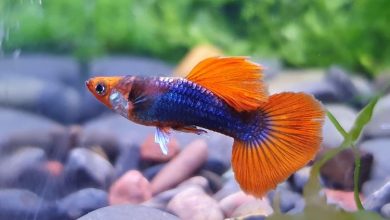
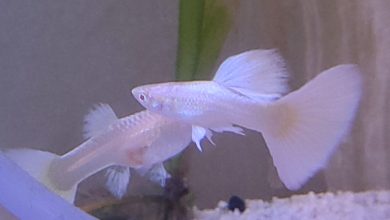
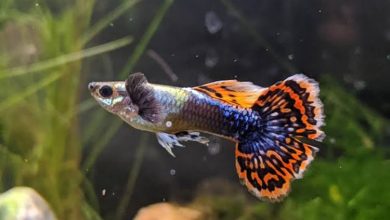
The Leopard Guppy (Poecilia reticulata) brings a touch of the wild into freshwater aquariums with its eye-catching spotted patterns and energetic personality. Known for its leopard-like markings across the tail and fins, this selectively bred variety combines the beauty of exotic coloration with the hardy nature that makes guppies a favorite among fish keepers.
Whether displayed in a planted community tank or a dedicated guppy setup, Leopard Guppies add constant movement, vibrant colors, and a unique pattern that stands out from other livebearers. Their peaceful temperament, simple care needs, and easy breeding habits make them an excellent choice for both beginners and experienced aquarists.
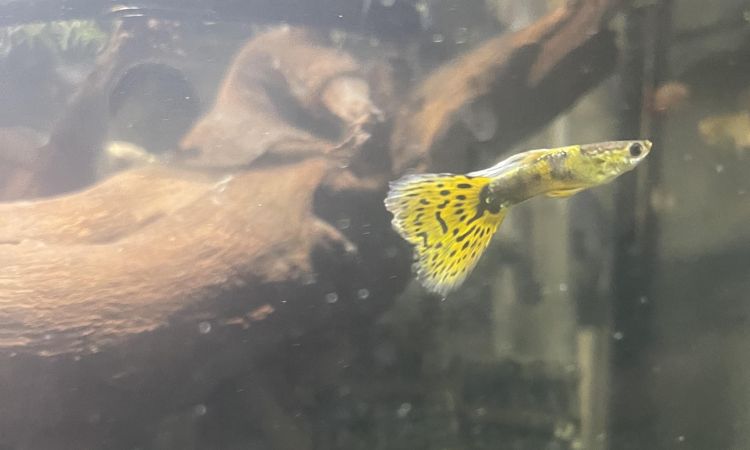
Understanding the Leopard Guppy
The Leopard Guppy (Poecilia reticulata) is a selectively bred fancy guppy variety admired for its wild-inspired appearance and easygoing personality. While its ancestors come from naturally occurring guppy populations, generations of careful breeding have created this unique strain with bold spotted patterns, vibrant colors, and the same hardy traits that have made guppies one of the most popular freshwater aquarium fish worldwide.
Origin and Natural Habitat Overview
Like all guppies, Leopard Guppies trace their origins to freshwater habitats throughout northeastern South America, including regions of countries such as Venezuela, Guyana, and parts of Brazil. In the wild, Poecilia reticulata can be found in shallow streams, slow-moving rivers, ponds, and drainage areas where warm temperatures, dense vegetation, and abundant food sources are common.
Wild guppies typically inhabit environments with plenty of aquatic plants, floating vegetation, and natural hiding spaces. These conditions provide shelter from predators while offering access to small insects, algae, and plant material that make up their varied omnivorous diet.
The Leopard Guppy seen in the aquarium hobby is not a separate wild species but a man-made color and pattern variety developed through selective breeding. Breeders have enhanced specific traits, especially the spotted tail pattern, to create a fish that combines the natural charm of guppies with a more dramatic appearance.
Today, Leopard Guppies are bred worldwide and are popular among both beginners and experienced aquarists because they adapt well to home aquariums and maintain the peaceful behavior that makes guppies ideal community fish.
Physical Characteristics: Distinct Leopard-Like Patterns and Vibrant Fins
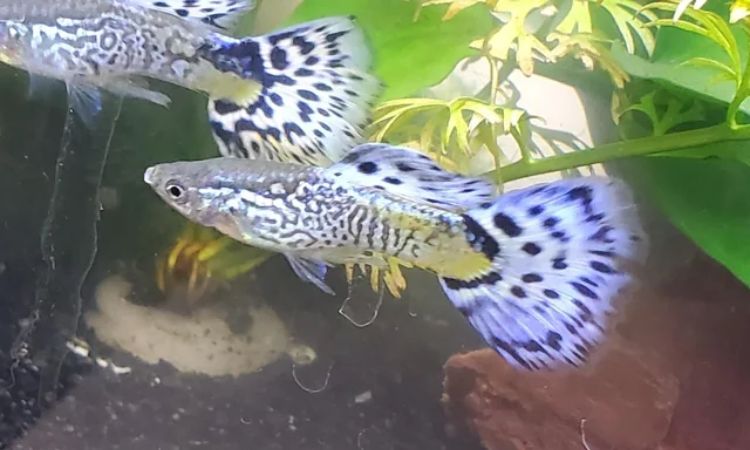
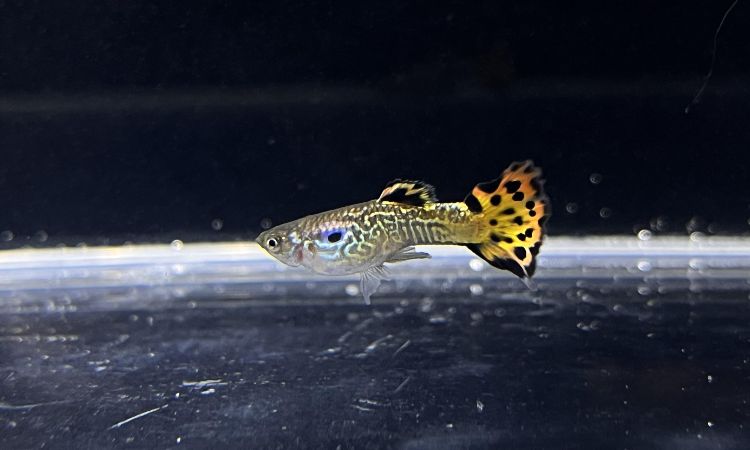
The most recognizable feature of the Leopard Guppy is its unique spotted coloration, which resembles the markings of a leopard’s coat. The tail and fins often display irregular black spots or patches over a colorful base, creating a high-contrast pattern that immediately catches attention in an aquarium.
Depending on the breeding line, Leopard Guppies may display a variety of base colors, including:
- Yellow and gold
- Orange and red
- Blue and metallic shades
- Mixed multicolor patterns
Male Leopard Guppies are usually the showpiece of the variety. They develop larger, flowing caudal fins with brighter colors and more pronounced spots. Their elegant tail movements and active swimming behavior make them especially attractive in planted tanks where their patterns stand out against green vegetation.
Females are generally larger and more rounded than males but tend to have less intense coloration. Their bodies are designed for reproduction, and mature females may develop a darker gravid spot near the abdomen when carrying fry.
Like other fancy guppies, Leopard Guppies have a streamlined body shape, small upturned mouths, and active swimming habits. They spend much of their time exploring the upper and middle sections of the aquarium, adding constant movement and energy to a freshwater setup.
Average Size and Lifespan Under Optimal Aquarium Conditions
Leopard Guppies remain relatively small, making them suitable for a wide range of aquarium sizes. Adult males typically reach around 1.5–2 inches, while females may grow slightly larger, often reaching 2–2.5 inches depending on genetics, diet, and care conditions.
With proper husbandry, Leopard Guppies generally live around 2–3 years in a well-maintained aquarium. Providing stable water parameters, a nutritious diet, and a stress-free environment can help them reach their full lifespan and maintain their vibrant coloration.
A healthy Leopard Guppy should have:
- Clear eyes and intact fins
- Strong swimming activity
- A healthy appetite
- Bright, well-defined patterns
- Smooth body shape without signs of illness
Because they are hardy and adaptable, Leopard Guppies are an excellent choice for newer fish keepers while still offering enough variety and beauty to interest experienced guppy enthusiasts. Their combination of unique markings, peaceful temperament, and easy care requirements makes them a standout addition to almost any freshwater community aquarium.
Setting Up the Ideal Tank
Creating the right aquarium environment is one of the most important steps for keeping Leopard Guppies healthy, colorful, and active. Although these fish are hardy and beginner-friendly, they still thrive best in a stable tank with clean water, gentle movement, and plenty of space to explore. A well-designed setup not only supports their health but also allows their spotted patterns and flowing fins to stand out beautifully.
Minimum Tank Size Requirements
A 10-gallon aquarium is the recommended minimum size for a small group of Leopard Guppies. This provides enough swimming space while offering a more stable water environment than smaller tanks, where ammonia and temperature changes can happen quickly.
For a breeding pair or a small colony, a 10–20 gallon tank is an excellent starting point. Larger aquariums are especially beneficial if you plan to keep multiple guppies, raise fry, or create a community setup with other peaceful fish.
Because Leopard Guppies are active swimmers that spend much of their time exploring the middle and upper areas of the aquarium, a longer tank is usually better than a tall, narrow aquarium. More horizontal swimming space allows males to display their colorful tails naturally and gives females room to avoid excessive attention during breeding.
Water Parameters for Leopard Guppies
Leopard Guppies are adaptable fish that can tolerate a range of freshwater conditions, but they perform best when their environment remains consistent. Stable water quality is more important than chasing exact numbers.
Water Temperature:
Maintain a temperature between 72–82°F (22–28°C). A range around 76–80°F (24–27°C) is ideal for encouraging active behavior, healthy digestion, and successful breeding.
Avoid sudden temperature fluctuations, as rapid changes can weaken their immune system and increase the risk of stress-related illnesses.
pH Level:
Leopard Guppies do well in a pH range of 6.8–7.8. Many captive-bred guppies thrive in slightly alkaline water, which closely matches the conditions commonly found in their natural habitats and breeding facilities.
Rather than making frequent adjustments, focus on maintaining a steady pH level. Sudden swings can be more harmful than slightly imperfect numbers.
Water Hardness:
Moderately hard to hard water is preferred, with a general hardness (GH) around 8–18 dGH. Minerals in harder water help support healthy growth, coloration, and overall condition.
If your tap water is naturally softer, gradual acclimation is usually better than making drastic changes. Leopard Guppies are adaptable as long as the water remains clean and stable.
Filtration and Water Flow
A reliable filtration system is essential for maintaining a healthy Leopard Guppy aquarium. Filters remove waste, support beneficial bacteria, and help prevent harmful ammonia and nitrite buildup.
However, these guppies are not built for strong currents. Powerful water flow can exhaust their delicate fins, especially males with larger, flowing tails.
A sponge filter is an excellent choice because it provides gentle circulation while being safe for baby fry. Adjustable hang-on-back (HOB) filters can also work well when the flow is reduced and the intake is protected.
Aim for gentle water movement with calm areas where guppies can rest. A mature, cycled aquarium with stable biological filtration is far more important than creating a strong current.
Aquascaping and Planting Recommendations
A thoughtfully decorated aquarium helps Leopard Guppies feel secure while enhancing their natural beauty. These active fish appreciate a balance between open swimming areas and planted sections where they can retreat.
Live plants are highly recommended, especially:
- Java Moss: Provides excellent shelter for newborn fry and encourages natural grazing.
- Hornwort: Creates dense cover and helps absorb excess nutrients.
- Anubias: Hardy plants that provide structure without requiring intense lighting.
- Amazon Swords: Add height and create shaded areas for fish to explore.
- Floating plants: Species like frogbit or water sprite help diffuse bright lighting and make the aquarium feel more natural.
Include open spaces near the front or center of the tank so Leopard Guppies can swim freely and display their colorful patterns. Rocks, driftwood, and smooth decorations can also create additional hiding spots and break up sight lines, reducing stress in groups with multiple males.
A darker substrate can make their spotted tails and vibrant colors appear even more dramatic, creating a beautiful contrast against their leopard-like patterns.
Leopard Guppy Diet and Nutrition
Leopard Guppies are naturally omnivorous fish with flexible eating habits, which is one reason they are considered excellent choices for beginner aquarists. In the wild, guppies feed on a combination of plant-based material, algae, small insects, mosquito larvae, tiny crustaceans, and other microorganisms they find in their environment. This varied diet provides a balance of nutrients that supports energy, growth, coloration, and reproduction.
In a home aquarium, Leopard Guppies should receive a similarly diverse diet rather than relying on a single food source. A balanced feeding routine helps maintain their vibrant spotted patterns, supports healthy fins, and keeps them active throughout the day.
High-Quality Staple Foods
The foundation of a Leopard Guppy’s diet should be a high-quality prepared food designed for tropical freshwater fish or livebearers. These foods provide essential proteins, vitamins, minerals, and plant-based nutrients needed for everyday health.
Good staple options include:
- Tropical fish flakes: Easy for guppies to eat and suitable for their small mouths.
- Micro pellets: A nutritious option that sinks slowly and allows guppies to feed naturally throughout the water column.
- Small granules: Provide concentrated nutrition and are less likely to break apart quickly and pollute the aquarium.
Look for foods containing ingredients such as spirulina, algae meal, fish meal, and quality protein sources. Plant-based ingredients are especially important because guppies naturally consume a significant amount of algae and other plant matter.
Rotating between different high-quality foods is often better than feeding the same formula every day. Variety helps prevent nutritional gaps and encourages stronger coloration, especially in selectively bred strains like Leopard Guppies.
Live and Frozen Food Supplements
While prepared foods can provide complete nutrition, occasional live or frozen treats can greatly enhance a Leopard Guppy’s diet. These foods mimic the small organisms they would naturally encounter in the wild and are especially useful for conditioning adults before breeding.
Recommended supplemental foods include:
- Brine shrimp: A favorite among guppies and an excellent source of protein that supports growth and vibrant coloration.
- Daphnia: Provides protein while also offering natural fiber that can aid digestion.
- Bloodworms: A nutrient-rich treat that encourages strong feeding responses, although they should be offered occasionally due to their higher fat content.
Other options, such as baby brine shrimp and microworms, are especially beneficial for growing fry because they are small enough for young guppies to consume.
Plant-based additions can also support digestion. Small amounts of blanched vegetables, such as zucchini or spinach, may be offered occasionally as a source of fiber and additional nutrients.
Feeding Frequency and Portion Control
Leopard Guppies have small stomachs and active metabolisms, so they benefit from small, frequent meals rather than large feedings. For adult guppies, feeding 1–2 times per day is usually sufficient.
A good rule is to provide only what your fish can completely consume within 2–3 minutes. Excess food that remains uneaten quickly breaks down and can lead to rising ammonia levels, cloudy water, and poor aquarium conditions.
For guppy fry, feeding should be more frequent because they are growing rapidly. Young fry can be offered small meals 3–5 times daily using finely crushed flakes, powdered fry food, infusoria, or newly hatched baby brine shrimp. Frequent feedings help support faster growth, but portions should remain very small to avoid damaging water quality.
Common Health Issues and Disease Prevention
Leopard Guppies are hardy freshwater fish that adapt well to many aquarium environments, but like all fish, they depend on stable water conditions and proper care to stay healthy. Most guppy health problems are not caused by the fish itself but by stress, poor water quality, overcrowding, or introducing diseases from new tank additions.
A clean, well-maintained aquarium combined with careful observation is the best defense against illness. By learning what healthy behavior looks like and addressing early warning signs quickly, you can help your Leopard Guppies live longer, more active lives.
Signs of a Healthy vs. Stressed Leopard Guppy
A healthy Leopard Guppy should be active, alert, and constantly exploring the aquarium. They typically swim throughout the upper and middle areas of the tank, interact with other guppies, and respond quickly during feeding time.
Common signs of a healthy guppy include:
- Bright, vibrant coloration
- Smooth swimming with fully extended fins
- Strong appetite and active feeding behavior
- Clear eyes and intact scales
- Normal social behavior with other guppies
- Regular exploration of the aquarium
On the other hand, stressed guppies often show noticeable changes in behavior or appearance. Early signs of stress may include:
- Hiding constantly or staying near the bottom of the tank
- Clamped fins held close to the body
- Loss of color or pale appearance
- Rapid breathing or frequent trips to the water surface
- Reduced appetite
- Erratic swimming, rubbing against decorations, or staying isolated from the group
Stress weakens the immune system and makes guppies more vulnerable to infections. If you notice unusual behavior, checking water parameters should always be the first step.
Managing Common Leopard Guppy Health Problems
Ich (White Spot Disease)
Ich is one of the most common aquarium fish diseases. It is caused by a parasite that appears as tiny white spots covering the body, fins, or gills. Infected guppies may also scratch against decorations, breathe rapidly, or become less active.
Common causes include:
- Sudden temperature changes
- Stress from poor water conditions
- Introducing infected fish without quarantine
Treatment usually involves raising the temperature slightly if appropriate for the aquarium inhabitants and using a reliable ich medication according to the product instructions. Increasing oxygen levels during treatment is also helpful because warmer water holds less dissolved oxygen.
Fin Rot
Fin rot is a bacterial infection commonly associated with poor water quality, stress, or injuries caused by aggressive tank mates. It often appears as frayed, damaged, or discolored fin edges.
To help prevent fin rot:
- Maintain clean water conditions
- Avoid overcrowding
- Remove aggressive or fin-nipping tank mates
- Perform regular water changes
Improving the aquarium environment is often the most important part of recovery. In more advanced cases, antibacterial treatments may be necessary.
Velvet Disease
Velvet is a parasitic infection that creates a fine, dusty coating on the fish’s body. Unlike ich’s obvious white spots, velvet can appear as a yellow, gold, or brown film that is easier to notice under aquarium lighting.
Affected guppies may show:
- Loss of color
- Flashing behavior (rubbing against surfaces)
- Reduced activity
- Clamped fins
- Rapid breathing
Early detection is important because velvet can spread quickly, especially in stressed fish. Maintaining excellent water quality and quarantining new fish are key steps in prevention.
Quarantine Best Practices for New Guppy Additions
One of the easiest ways to prevent disease outbreaks is to quarantine all new fish before adding them to your main aquarium. Even healthy-looking fish can carry parasites or bacteria that may spread to established tank mates.
A proper quarantine setup should include:
- A separate tank with a filter and heater
- Stable water parameters similar to the main aquarium
- Simple decorations that are easy to clean
- Observation for at least 2–4 weeks before introduction
During quarantine, monitor new Leopard Guppies for changes in appetite, unusual swimming patterns, spots, damaged fins, or signs of infection. This short waiting period can prevent major problems in your display tank.
Avoid sharing nets, buckets, or equipment between quarantine and main aquariums unless they have been properly cleaned and disinfected.
Routine Water Changes and Aquarium Maintenance
Maintaining excellent water quality is one of the most effective ways to keep Leopard Guppies healthy. Even hardy fish can become stressed when ammonia, nitrite, or nitrate levels rise.
A good maintenance routine includes:
- Performing 20–30% water changes every week or every two weeks, depending on stocking levels
- Testing ammonia and nitrite regularly to ensure they remain at 0 ppm
- Keeping nitrate levels controlled through water changes and proper filtration
- Removing uneaten food and excess waste before it breaks down
- Cleaning filter media gently in old aquarium water to preserve beneficial bacteria
Avoid replacing all filter media at once, as this can remove important bacteria needed for a stable aquarium cycle.