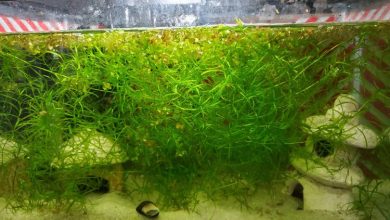
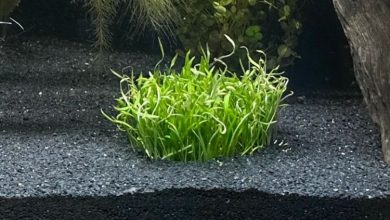
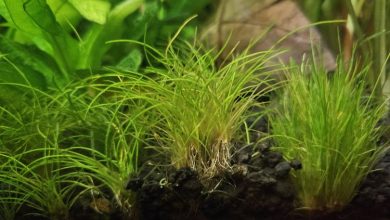
A lush, healthy foreground can completely transform the look of a planted aquarium, and Staurogyne repens is one of the most reliable plants for achieving that effect. Native to South America, this compact stem plant is valued for its rich green foliage, slow to moderate growth, and ability to develop into a dense, natural-looking carpet with regular trimming. Unlike many demanding carpeting plants, it adapts well to a wide range of aquarium setups, making it a favorite among both beginners and experienced aquascapers.
Whether you’re setting up your first planted tank or refining a mature aquascape, understanding the plant’s lighting needs, CO₂ requirements, nutrient demands, and propagation methods will help you keep Staurogyne repens healthy, compact, and thriving for years to come.
Ideal Water Parameters & Tank Conditions
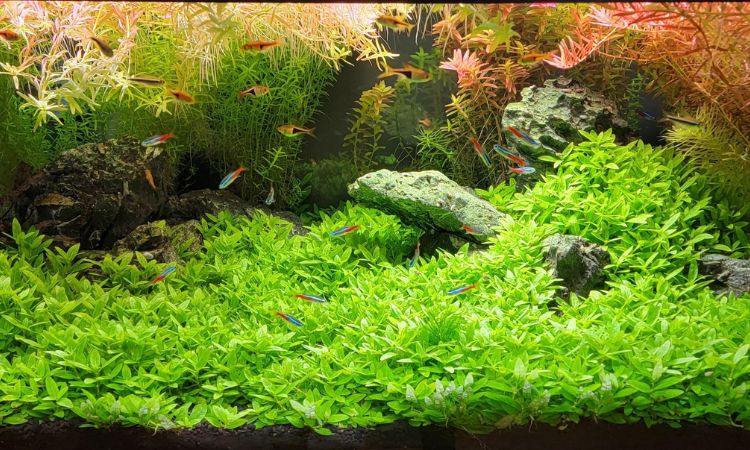
Creating the right environment is one of the biggest factors in growing healthy, compact Staurogyne repens. While this South American stem plant is known for being adaptable, it performs best when water conditions remain stable rather than constantly fluctuating. Consistent parameters encourage stronger roots, fuller foliage, and steady horizontal growth, allowing the plant to develop into the dense foreground coverage that aquascapers aim for.
Because Staurogyne repens is primarily a root-feeding plant, water quality and substrate work together to support long-term health. Even in lower-tech aquariums, maintaining stable conditions will produce better results than frequently adjusting pH or other parameters.
Water Chemistry Breakdown
pH: 6.0–7.5
Staurogyne repens grows well in slightly acidic to neutral water, with a pH between 6.0 and 7.5. This range allows nutrients such as iron and potassium to remain readily available, supporting healthy leaf development and vibrant green coloration.
Although the plant can tolerate minor variations, rapid swings in pH should be avoided. Stable water chemistry helps reduce stress and allows the root system to establish more quickly after planting.
Temperature: 72–82°F (22–28°C)
A temperature range of 72 to 82°F (22–28°C) closely matches the plant’s native tropical habitat. Most community aquariums naturally fall within this range, making Staurogyne repens compatible with a wide variety of freshwater fish, shrimp, and other aquatic inhabitants.
Warmer temperatures within the recommended range may encourage slightly faster growth when combined with adequate lighting and nutrients, while cooler temperatures typically result in slower but still healthy development.
Water Hardness: 2–15 dKH
This species adapts well to soft through moderately hard water, with a recommended hardness of 2 to 15 dKH. Its broad tolerance makes it suitable for many tap water sources without requiring extensive adjustments.
Rather than focusing on achieving a precise hardness value, prioritize consistency. Stable mineral levels support reliable nutrient uptake and help prevent unnecessary stress that can slow growth or affect overall plant health.
Substrate Selection
The substrate plays a much larger role in the success of Staurogyne repens than many beginners realize. Because the plant develops an extensive root system, it absorbs a significant portion of its nutrients directly from the substrate instead of relying solely on the water column.
Why Nutrient-Rich Aqua Soil Makes a Difference
A high-quality planted aquarium substrate provides a steady supply of essential nutrients where the roots need them most. Nutrient-rich aqua soils also offer a porous structure that encourages root penetration while helping anchor stems securely during the establishment phase.
Popular planted substrates include products such as ADA Aqua Soil, UNS Controsoil, Fluval Stratum, and Tropica Aquarium Soil. These substrates contain nutrients that support vigorous root development and often promote faster spreading compared to inert materials.
When grown in a nutrient-rich substrate, Staurogyne repens typically produces thicker stems, denser foliage, and more lateral shoots, making it easier to achieve a lush, carpet-like foreground.
Using Root Tabs with Sand or Gravel
If your aquarium uses plain sand or standard aquarium gravel, don’t worry—Staurogyne repens can still thrive with proper supplementation.
Since inert substrates contain little to no nutrition, placing root tabs beneath the plants provides a direct source of essential nutrients for the developing root system. Replenishing root tabs every few months helps maintain consistent growth and prevents deficiencies that may lead to pale leaves, slower spreading, or reduced vigor.
Lighting Requirements for Staurogyne Repens
Lighting is one of the biggest factors that determines how Staurogyne repens will grow in your aquarium. This versatile stem plant can survive under relatively modest lighting, but the amount of light it receives has a direct impact on its size, shape, and overall appearance. If you’ve ever wondered why one aquarium has a dense, carpet-like foreground while another has tall, sparse stems, lighting is often the main reason.
Rather than simply keeping the plant alive, the goal is to provide enough light to encourage compact, horizontal growth without creating conditions that lead to excessive algae. Finding that balance will reward you with a healthier, more attractive foreground that’s easier to maintain.
How Much Light Does S. Repens Really Need?
Low to Medium Light
Staurogyne repens is capable of growing under low to medium light, making it more forgiving than many carpeting plants. In lower-light aquariums, the plant usually remains healthy, but its growth habit changes noticeably.
Instead of spreading across the substrate, stems tend to grow upward toward the light source. The spaces between leaves become longer, side branching decreases, and the overall plant looks less compact. Growth also slows, so it may take several months to develop meaningful foreground coverage.
For hobbyists running low-tech aquariums without CO₂ injection, moderate lighting combined with consistent fertilization can still produce attractive results. The plant simply requires more patience before it fills in.
Medium to High Light (Optimal)
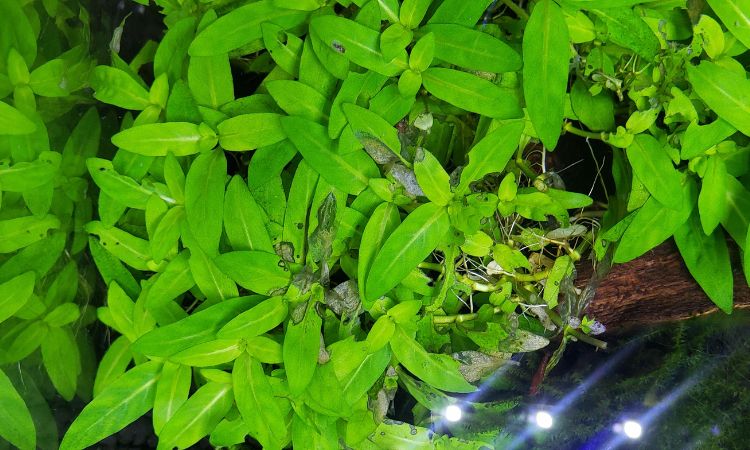
For the dense, bushy appearance most aquascapers are after, medium to high lighting is the sweet spot.
With stronger illumination, Staurogyne repens develops shorter internodes, more side shoots, and thicker foliage. Instead of stretching vertically, it naturally branches outward, gradually forming a lush carpet that hugs the substrate. New growth is typically more compact, and the rich green leaves appear fuller and healthier.
Higher light also improves the plant’s response to trimming. After pruning, healthy stems produce multiple new branches, allowing the foreground to become increasingly dense with each maintenance session.
If you’re using brighter lighting, pairing it with stable nutrient levels—and ideally supplemental CO₂—helps the plant take full advantage of the additional energy while reducing the risk of deficiencies.
Photoperiod & Light Quality
The length and quality of light are just as important as intensity. Providing a consistent schedule helps maintain healthy growth while minimizing stress for both plants and aquarium livestock.
Recommended Photoperiod
A daily lighting period of 8 to 10 hours works well for most planted aquariums containing Staurogyne repens. This duration provides enough energy for photosynthesis without unnecessarily increasing the likelihood of algae outbreaks.
For newly established tanks, many aquarists start with a shorter photoperiod of around 6 to 7 hours during the first few weeks. Once the plants are actively growing and the aquarium has stabilized, the lighting duration can gradually be increased if needed.
Using a timer is one of the easiest ways to keep the schedule consistent. Regular on-and-off cycles are far more beneficial than varying the photoperiod from day to day.
PAR Targets
While every aquarium setup is different, Photosynthetically Active Radiation (PAR) offers a more accurate way to measure usable light than wattage alone.
General guidelines for Staurogyne repens include:
- Low Light: Below 20 PAR
- Moderate Light: Approximately 20–40 PAR
- High Light: Around 40–60 PAR
A PAR range of 20 to 50 at the substrate is ideal for most aquariums. Within this range, the plant typically grows compactly while maintaining healthy coloration and steady lateral spread.
Values significantly above this range can accelerate growth but also increase the demand for nutrients and CO₂. Without balanced supplementation, plants may struggle, and algae can quickly take advantage of the excess light.
Managing Algae Under High Lighting
Brighter lighting isn’t automatically better. If plants cannot use the available energy because of limited nutrients or unstable CO₂, nuisance algae often become the first organisms to benefit.
To keep algae under control while using moderate to high lighting:
- Maintain a consistent photoperiod instead of extending light duration.
- Keep fertilization balanced so essential nutrients remain available.
- If using CO₂, ensure injection starts before the lights turn on and remains stable throughout the day.
- Perform regular water changes to remove excess organic waste.
- Trim older or heavily shaded leaves to improve water circulation and light penetration.
- Avoid placing the aquarium where it receives prolonged direct sunlight, which can rapidly fuel algae growth.
When light, nutrients, and maintenance are kept in balance, Staurogyne repens responds with dense, vibrant growth that naturally outcompetes algae, creating a healthier and more visually appealing planted aquarium.
CO2 and Nutrient Injection
Staurogyne repens doesn’t require a high-tech setup to survive, but it responds exceptionally well to supplemental CO₂ and balanced fertilization. If your goal is a dense, compact foreground, providing both carbon and nutrients will produce noticeably healthier growth.
Do You Need CO₂ for Staurogyne Repens?
Without CO₂
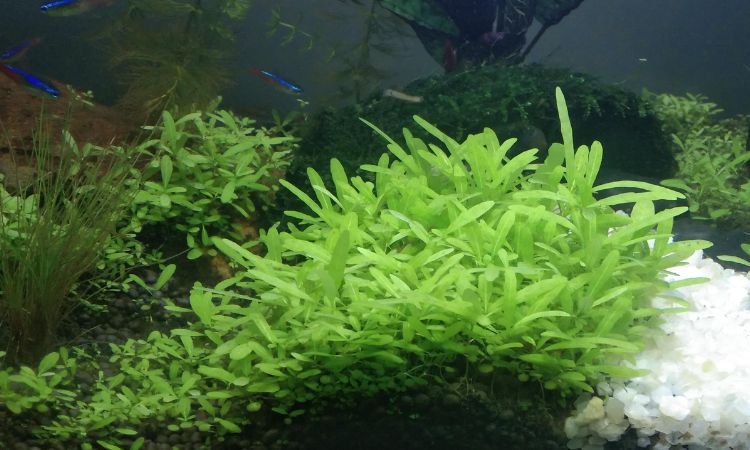
Staurogyne repens can grow successfully without pressurized CO₂, making it suitable for low-tech planted aquariums. However, growth is noticeably slower, and the plant typically produces smaller leaves with fewer side shoots. It also tends to grow more upright rather than spreading across the substrate, so achieving a dense carpet takes considerably longer.
With CO₂ (Recommended)
Adding pressurized CO₂ encourages faster, more compact growth. Stems branch more readily, internodes remain shorter, and the leaves develop a fuller, vibrant green appearance. Most planted aquariums see excellent results by maintaining 20–30 ppm of dissolved CO₂ during the photoperiod. More importantly, keep CO₂ levels stable from day to day to avoid stressing plants and livestock.
Fertilization (NPK & Micronutrients)
Like many rooted aquarium plants, Staurogyne repens grows best when it receives nutrients from both the substrate and the water column. A complete fertilization routine supports healthy roots, dense foliage, and steady new growth.
Nitrates & Phosphates
Nitrogen and phosphorus are essential macronutrients for healthy development. Adequate nitrate promotes larger leaves and thicker stems, while phosphate supports steady growth and efficient photosynthesis. Deficiencies in either nutrient often result in slow growth and reduced leaf size.
Potassium
Potassium helps maintain healthy foliage and is particularly important for preventing pinholes in older leaves, a common symptom seen in Staurogyne repens. Regular potassium supplementation supports stronger leaves and improves overall plant health.
Iron
Iron is a key micronutrient responsible for healthy chlorophyll production. A consistent supply helps maintain the plant’s bright green coloration and supports vigorous new growth. Pale or yellowing young leaves may indicate an iron deficiency.
Best Fertilization Strategy
For consistent results, use a nutrient-rich substrate or root tabs together with a balanced liquid fertilizer. This combination supplies nutrients to both the roots and foliage, helping Staurogyne repens stay compact, healthy, and vibrant over the long term.
How to Plant and Propagate Staurogyne Repens
Proper planting makes a big difference in how quickly Staurogyne repens establishes itself. Rather than placing the entire plant into the substrate as a single clump, taking a few extra minutes to prepare and space the stems correctly encourages stronger roots, faster spreading, and a much fuller foreground over time.
Step-by-Step Planting Process
If you’re starting with a tissue culture cup or a potted plant, begin by removing all growing media. Carefully rinse away the nutrient gel from tissue culture plants or remove every piece of rock wool from potted specimens. Leaving these materials attached can interfere with root development and reduce water circulation around the base of the plant.
Instead of planting one large bunch, divide the plant into several smaller portions. Each group should contain 2–3 healthy stems, allowing enough room for roots to spread naturally. Smaller clumps establish more quickly and create a more even carpet as new shoots develop between them.
Before planting, remove the lowest leaves from each stem to expose about ½ to 1 inch (1–2 cm) of bare stem. This section will sit beneath the substrate, helping anchor the plant while encouraging roots to emerge from the exposed nodes.
Using long aquascaping tweezers, insert each stem deep into the substrate so the roots and bare stem are fully covered while the remaining leaves stay above the surface. Planting deeply helps prevent newly planted stems from floating loose, which is one of the most common frustrations when working with Staurogyne repens.
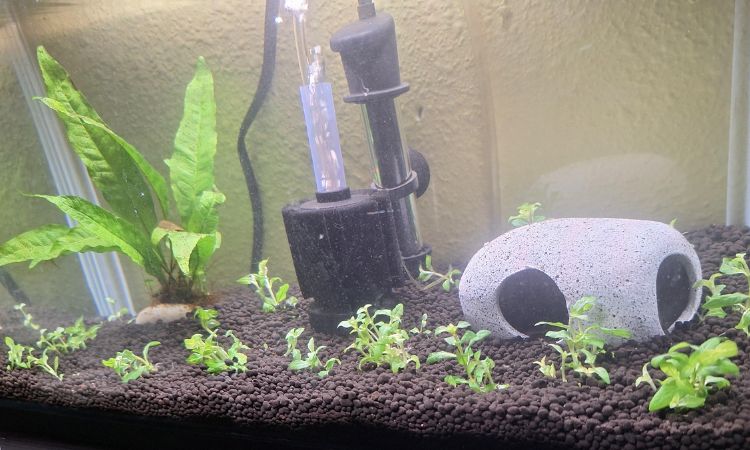
Leave about 1–2 inches (2.5–5 cm) of space between each clump. Although the layout may look sparse at first, the stems will gradually fill the gaps by producing side shoots, resulting in a much more natural and uniform foreground.
Propagation Methods
One of the advantages of Staurogyne repens is how easily it can be propagated. A single healthy plant can gradually produce enough cuttings to cover a large area without requiring additional purchases.
Stem Cuttings
Once the plant is well established, propagation is as simple as trimming healthy stems. Cut the upper portion just above a leaf node using sharp aquascaping scissors. The remaining rooted stem typically responds by producing multiple new side shoots, creating a thicker, bushier plant.
Regular trimming not only provides new plants but also improves the appearance of the original clump by encouraging additional branching instead of continued vertical growth.
Replanting the Tops
Don’t discard the trimmed tops. Healthy cuttings can be planted directly into the substrate to create new plants.
Remove a few leaves from the lower portion of each cutting, then insert the exposed stem into the substrate using planting tweezers. After developing roots, the new stems begin growing independently and gradually spread through lateral branching.
Repeating this process every few weeks is one of the fastest ways to expand a foreground without sacrificing the health of the original plants.
How to Trim for Dense, Carpeted Bushes
Trimming is the key to transforming Staurogyne repens from a collection of upright stems into a thick, carpet-like foreground.
Instead of allowing stems to grow several inches tall before cutting them back, perform light, regular trims as soon as they begin rising above the desired height. Early pruning redirects the plant’s energy into producing side branches rather than extending upward.
When trimming, cut just above a healthy pair of leaves or a leaf node. New shoots usually emerge from these points, gradually increasing the plant’s density. As each trimming cycle creates more branches, the foreground becomes thicker and more compact.
Avoid removing too much foliage at one time. Trimming roughly one-third of the plant during routine maintenance allows it to recover quickly while maintaining steady growth. With consistent pruning, adequate lighting, and balanced nutrients, Staurogyne repens develops into a lush, low-growing carpet that naturally hugs the substrate instead of reaching toward the water’s surface.