10 Best Foreground Aquarium Plants That Are Easy to Grow (Beginner-Friendly)

A beautiful planted aquarium isn’t just about having healthy plants—it’s about placing them where they create the greatest visual impact. The foreground acts like the frame of an underwater landscape, guiding the eye through the entire aquascape while adding texture and depth.
Choosing the right low-growing plants can make even a simple aquarium look polished and professionally designed. If you’re just getting started, plenty of easy-to-grow species can thrive with minimal care, making it possible to build a lush, attractive foreground without the challenges of demanding carpeting plants.
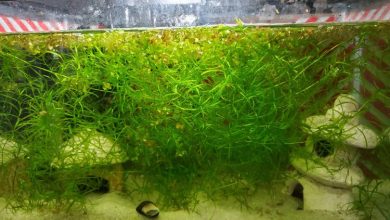
1. Dwarf Hairgrass (Eleocharis acicularis)
Dwarf Hairgrass is one of the most recognizable foreground aquarium plants, valued for its fine, grass-like leaves and ability to create a natural underwater meadow. When planted across an open substrate area, it produces a bright green lawn effect that works especially well in nature-style aquascapes, shrimp tanks, and layouts featuring rocks or driftwood.
This species creates a softer appearance than many broad-leaved plants because its thin blades move gently with water flow. As it spreads, the individual shoots gradually blend together, forming a textured carpet that adds depth and makes the aquarium appear more mature.
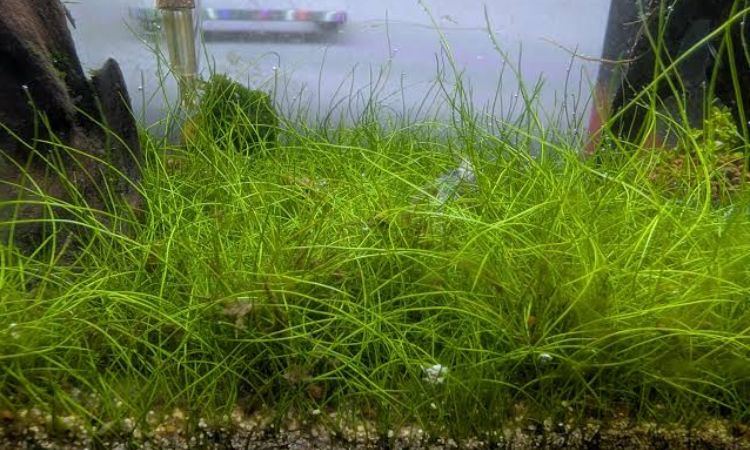
Dwarf Hairgrass is considered easy to moderate in difficulty. While it can grow successfully in beginner aquariums, it performs best when planted in a nutrient-rich substrate that supports strong root development. Root tabs or an enriched substrate can help provide essential nutrients, especially in tanks where the gravel or sand contains little nutritional value.
Lighting plays an important role in the plant’s growth pattern. Under medium to high lighting, Dwarf Hairgrass typically stays shorter and spreads more effectively across the substrate. In low-light conditions, the leaves may become taller and thinner as the plant reaches upward toward available light.
This plant spreads through underground runners called stolons. New shoots develop along these runners and gradually expand away from the original planting area. For faster coverage, separate nursery portions into smaller groups and plant them individually across the foreground. Once established, mature sections can be divided and replanted to create additional patches.
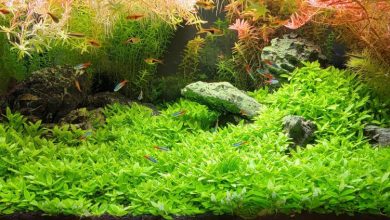
2. Monte Carlo (Micranthemum tweediei)
Monte Carlo is one of the most popular beginner-friendly carpeting plants because of its small, rounded leaves and naturally creeping growth habit. Its bright green foliage creates a soft, dense carpet that gives planted aquariums a clean and polished appearance without requiring the intensive care associated with some other carpeting species.
Unlike very delicate foreground plants with extremely tiny leaves, Monte Carlo has slightly larger foliage that is easier to maintain and observe. This makes it a common choice for hobbyists who want the appearance of a lush aquarium carpet while keeping maintenance requirements manageable.
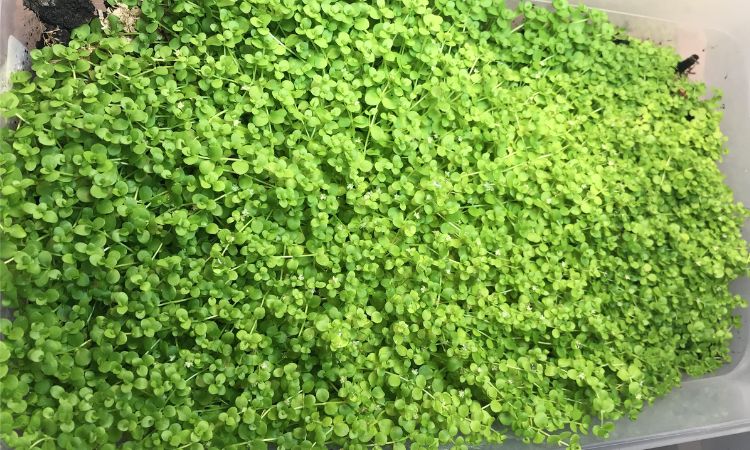
Monte Carlo is considered an easy aquatic plant and adapts well to many freshwater aquarium conditions. It can grow in both low-tech and high-tech setups, although growth speed and density will depend heavily on lighting, nutrients, and carbon availability.
Moderate lighting is generally recommended for healthy growth. While pressurized CO₂ can encourage faster spreading and a thicker carpet, it is not always required. In many beginner aquariums, Monte Carlo can grow successfully with natural carbon availability from fish respiration and regular maintenance practices.
This plant spreads horizontally by producing creeping stems that root along the substrate. Regular trimming helps prevent upward growth and encourages the plant to branch outward, creating a thicker carpet. Cuttings from healthy sections can be replanted directly into the substrate, allowing new areas to develop over time.
3. Java Moss (Taxiphyllum barbieri)
Java Moss is one of the most reliable aquarium plants for beginners due to its adaptability and simple care requirements. Instead of creating a traditional grass-like carpet, it produces a soft, branching texture that can be used to create natural-looking foreground areas, moss-covered rocks, or aged driftwood displays.
Its deep green growth provides excellent contrast against lighter plants and hardscape materials. In shrimp aquariums, Java Moss is especially popular because its dense structure creates hiding spaces where shrimp can forage, rest, and seek protection.
This moss is considered extremely easy to maintain because it tolerates a wide range of aquarium conditions. It can survive under lower lighting levels and does not require a nutrient-rich substrate because it absorbs nutrients directly from the water column.
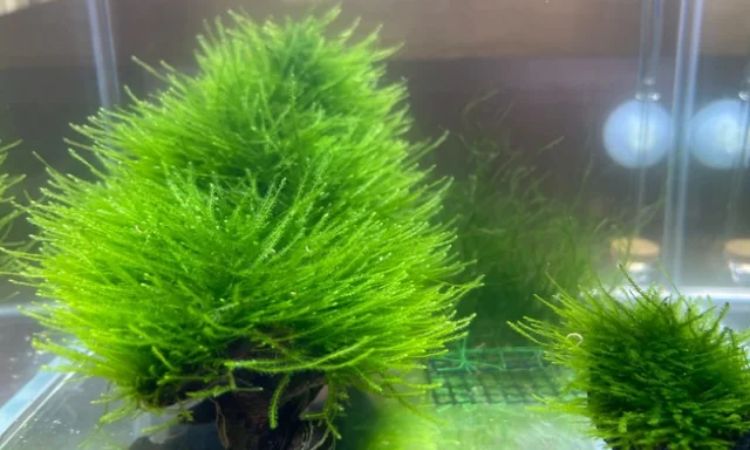
Low lighting is usually sufficient for Java Moss, although brighter conditions may increase growth speed. However, stronger lighting also requires better nutrient management because excessive light combined with an imbalance of nutrients can contribute to algae growth.
Java Moss does not need to be planted in the substrate. Instead, it naturally attaches itself to surfaces such as rocks, driftwood, and aquarium decorations. Hobbyists can secure small portions using thread, fishing line, or aquarium-safe adhesive until the moss attaches naturally.
Propagation is simple. Established clumps can be divided into smaller pieces and attached to new surfaces. Each section will continue growing, eventually creating additional moss-covered areas throughout the aquarium.
4. Pearl Weed (Hemianthus micranthemoides)
Pearl Weed is a versatile stem plant known for its small, rounded leaves and bright green coloration. Although it is often used as a midground plant, regular trimming allows it to be maintained as a low-growing foreground cushion or compact carpet.
Its delicate appearance adds a lighter texture to planted aquariums compared with larger-leaved species. When grown densely, Pearl Weed creates a soft green mound that works well around rocks, driftwood, and other aquascaping elements.
This plant is considered easy to grow and is especially appealing to beginners because of its fast growth rate. Rapid development allows new hobbyists to fill empty spaces quickly and experiment with different planting styles.
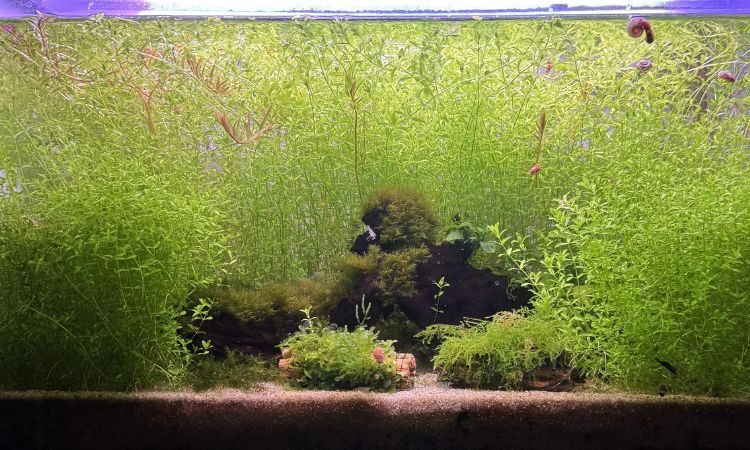
Medium to high lighting helps Pearl Weed maintain a compact shape. Under weaker lighting, stems usually grow taller with more space between leaves, creating a less dense appearance. Balanced fertilization also supports healthier foliage and stronger growth.
Pearl Weed spreads through stem growth rather than runners. To create a foreground carpet, trim the upper portions regularly and replant healthy cuttings into the substrate. Over time, repeated pruning encourages side shoots, producing a thicker and more compact planting area.
5. Marsilea crenata (Dwarf Water Clover)
Marsilea crenata, commonly known as Dwarf Water Clover, is a unique foreground plant recognized for its small clover-shaped leaves. Its unusual appearance provides a different texture compared with traditional grass-like carpeting plants and makes it an attractive choice for natural-style aquariums.
The plant’s delicate foliage creates a subtle, low-growing landscape that pairs well with stones, driftwood, and other slow-growing aquarium plants. Under suitable conditions, the leaves can resemble miniature four-leaf clovers, adding visual interest to the aquarium floor.
Marsilea crenata is considered very easy to care for because of its adaptability. It can tolerate a variety of freshwater conditions and does not require advanced equipment to remain healthy. Its slower growth rate also means it usually requires less frequent trimming than faster-growing carpeting plants.
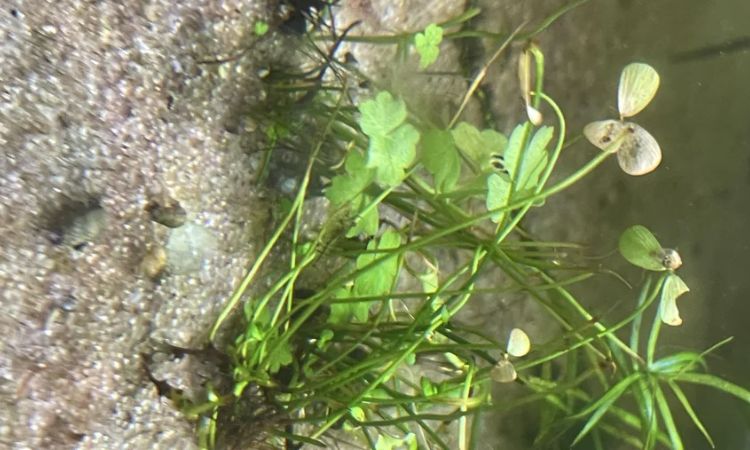
This species performs well under low to medium lighting. While stronger lighting may encourage more compact growth, it can still develop successfully in simpler low-tech aquarium setups.
Marsilea crenata spreads through creeping runners that travel across and beneath the substrate. New plantlets form along these runners, gradually expanding the planted area. Once established, sections can be separated and replanted to encourage further growth throughout the aquarium.
I will rewrite the section paragraph by paragraph instead of using bullet-style sections. I’ll keep the same structure, provide detailed factual information, and maintain a natural American English aquarium publication tone.
6. Cryptocoryne Parva
Cryptocoryne parva is one of the smallest species in the Cryptocoryne family, making it an excellent choice for aquarium foregrounds where a low, natural appearance is desired. Unlike fast-growing carpeting plants that quickly spread across open substrate, this species develops into compact clusters of narrow, dark green leaves that remain close to the ground. Its subtle appearance works especially well in planted aquariums with rocks, driftwood, or larger plants that need a simple foreground transition.
One of the main advantages of Cryptocoryne parva is its ability to maintain a small size without frequent trimming. The lance-shaped leaves provide gentle texture and contrast without blocking the view of fish or other plants. Because it grows slowly, it is particularly suitable for aquarists who prefer a stable layout with minimal maintenance.
Cryptocoryne parva is considered an easy aquarium plant once established, although it may require patience during the adjustment period. Like many Cryptocoryne species, it can experience temporary leaf loss, commonly known as “Crypt melt,” when moved to a new aquarium or exposed to different growing conditions. This happens because the plant adapts to changes in water chemistry, lighting, and nutrient availability.
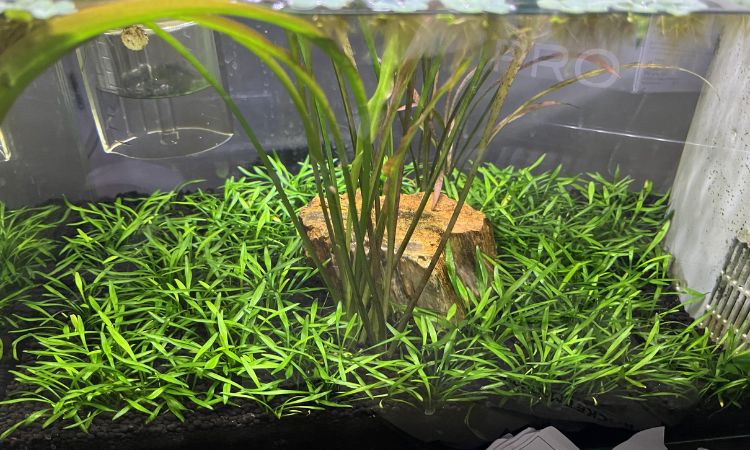
In most cases, the root system remains healthy even if older leaves deteriorate. With stable water parameters and proper care, new leaves will gradually emerge as the plant becomes accustomed to its environment. Avoid repeatedly moving the plant after planting, as disturbing the roots can slow recovery and delay growth.
This species grows well under low to medium lighting, making it a practical option for low-tech planted aquariums. It does not require intense illumination to maintain healthy growth, although moderate lighting and adequate nutrients can encourage stronger development. A nutrient-rich substrate or occasional root tabs can support the plant because it primarily absorbs nutrients through its root system.
Cryptocoryne parva grows as a rosette plant, with all leaves emerging from a central crown near the substrate. Over time, mature plants produce small daughter plants connected through underground growth. These new offsets can remain attached to form larger clusters or can be carefully separated once they develop their own roots and replanted in another area of the aquarium.
7. Staurogyne Repens
Staurogyne repens is a popular foreground plant known for its compact growth pattern, sturdy stems, and bright green leaves. Its slightly textured foliage creates a fuller appearance than many traditional carpeting plants, making it useful for adding depth around rocks, driftwood, and open areas of substrate.
Unlike plants that naturally hug the substrate, Staurogyne repens grows as a short branching stem plant. When maintained correctly, it forms dense patches that can create a low foreground bush or a gradual transition between carpeting plants and taller midground species.
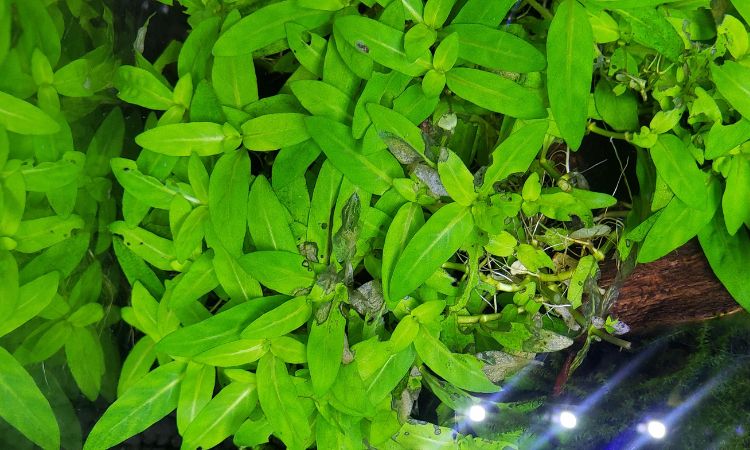
This plant is considered easy to moderate in difficulty. Beginners can successfully grow it, but it performs best when provided with consistent nutrients and regular trimming. A nutrient-rich substrate can encourage stronger root development, while liquid fertilizers help supply nutrients through the water column.
Lighting has a noticeable impact on the plant’s growth shape. Under medium lighting, Staurogyne repens typically develops a compact, bushy structure. Stronger lighting encourages horizontal growth and increased branching, while insufficient light may cause stems to stretch upward and become less dense.
Propagation is simple because the plant responds well to pruning. When the stems become too tall, the upper portions can be trimmed and replanted directly into the substrate. The remaining stems usually produce new side shoots, creating a thicker and more compact planting over time.
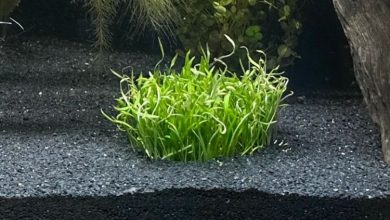
8. Sagittaria Subulata (Dwarf Sagittaria)
Dwarf Sagittaria (Sagittaria subulata) is one of the most beginner-friendly foreground plants available. It produces narrow, grass-like leaves that add movement and texture to the aquarium while remaining relatively short in many setups. Because of its adaptable growth, it can be used as a foreground plant in larger aquariums or as a midground species in smaller tanks.
The simple green foliage of Dwarf Sagittaria works well in natural aquascapes and community aquariums. It provides a softer alternative to traditional carpet plants while still creating a planted appearance across open substrate areas.
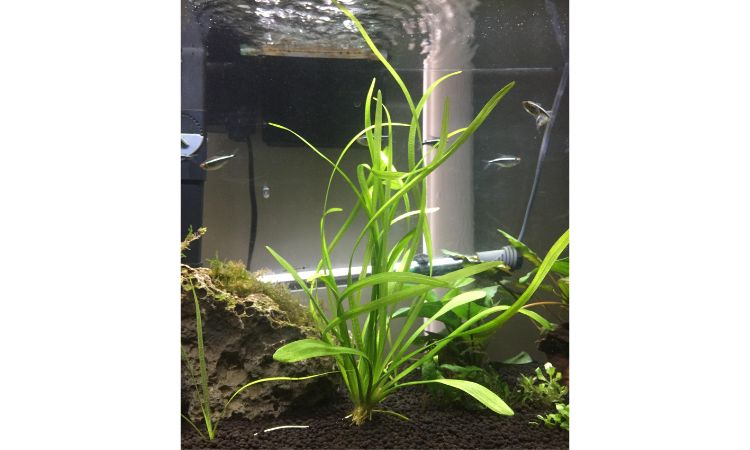
This species is considered very easy to maintain and is especially suitable for low-tech aquariums. It tolerates a wide range of water conditions and does not require advanced equipment such as pressurized CO₂ systems or high-intensity lighting.
Dwarf Sagittaria grows successfully under low to medium lighting. Under brighter conditions, it may stay shorter and produce denser growth, while lower light levels can encourage taller leaves as the plant reaches toward the light source.
The plant spreads through runners that grow beneath the substrate. New plantlets develop along these runners and gradually form colonies throughout the aquarium. If the leaves become taller than desired, they can be trimmed, although removing excess runners and overcrowded sections is usually a better method for maintaining healthy growth.
9. Helanthium Tenellum (Pygmy Chain Sword)
Helanthium tenellum, commonly known as Pygmy Chain Sword, is a grass-like aquarium plant that creates a natural meadow appearance in freshwater tanks. Its narrow green leaves add fine texture to the foreground and can complement rocks, driftwood, and other aquatic plants.
Under favorable conditions, the foliage may develop subtle reddish or bronze tones, especially when grown under stronger lighting. These color variations add visual interest while maintaining the plant’s natural appearance.
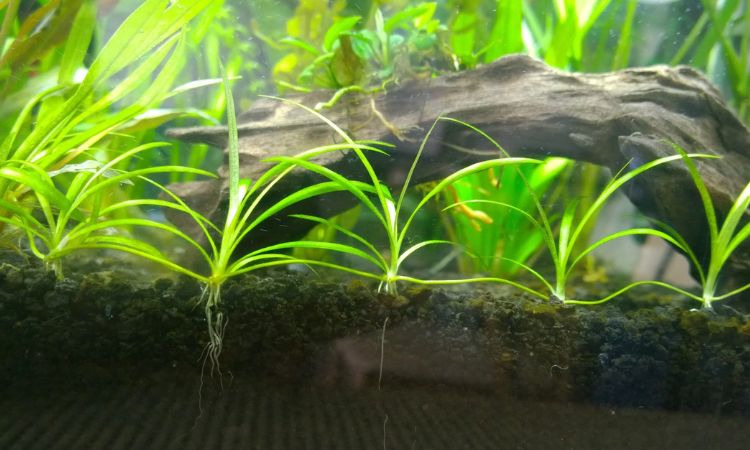
Pygmy Chain Sword is considered an easy aquarium plant and is suitable for beginners who want a spreading foreground species without demanding care requirements. It benefits from stable water conditions, adequate nutrients, and consistent maintenance but generally adapts well to a variety of planted aquarium environments.
Medium lighting helps encourage healthier, more compact growth. Although it can survive under lower lighting, the leaves may become longer and less dense. CO₂ supplementation can improve growth speed, but many hobbyists successfully maintain this plant in low-tech aquariums.
This species spreads by producing runners that travel through the substrate and create new plantlets. As the colony expands, individual sections can be separated and replanted elsewhere. Regular thinning may be necessary in mature aquariums to prevent overcrowding and maintain good water circulation around the plants.
10. Bucephalandra ‘Mini Needle Leaf’
Bucephalandra ‘Mini Needle Leaf’ is a compact epiphyte plant valued for its slow growth, unique leaf texture, and ability to thrive in simple aquarium setups. Its narrow, deep green leaves often develop a subtle sheen under aquarium lighting, creating an attractive accent in the foreground.
Unlike carpeting plants that spread across the substrate, Bucephalandra creates visual interest through individual leaf clusters attached to rocks, driftwood, and other hardscape materials. Its small size makes it especially suitable for nano aquariums or detailed aquascapes where space is limited.
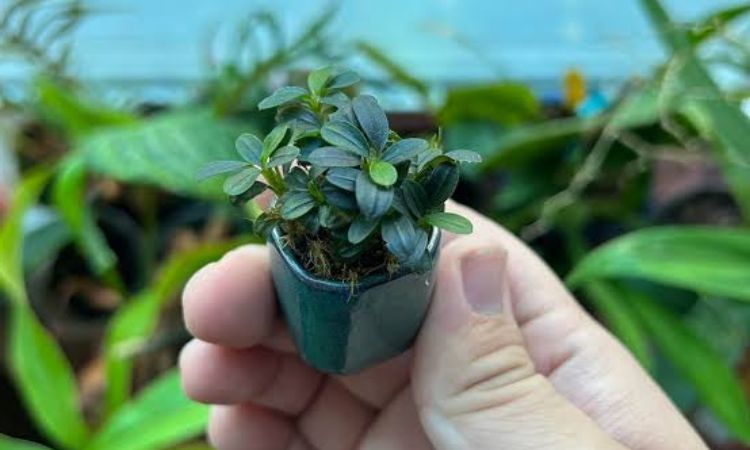
This plant is considered very easy to care for because it grows slowly and requires minimal maintenance. It does not demand intense lighting and can adapt well to low to medium light environments.
Bucephalandra grows from a creeping rhizome, which should always remain above the substrate. Burying the rhizome can restrict oxygen flow and may cause the plant to deteriorate. Instead, attach it to rocks or driftwood using aquarium-safe glue or thread until the roots naturally secure the plant.
Propagation is done by dividing the rhizome into smaller sections. Each piece should contain healthy leaves and an active growth point before being attached to new hardscape. Over time, these sections will develop into separate plants while maintaining the same slow-growing, low-maintenance characteristics.