Cryptocoryne Wendtii Care Guide Planting Lighting And Propagation Tips

Not every aquarium plant can thrive with minimal attention while still adding lasting beauty to an aquascape. Cryptocoryne wendtii is one of the rare exceptions. Appreciated for its hardy nature, slow, dependable growth, and wide variety of leaf colors, this freshwater favorite adapts to many aquarium setups with ease.
Whether your goal is to create a lush nature aquarium or a simple low-maintenance planted tank, this guide explains everything you need to know about Cryptocoryne wendtii care, including planting, lighting, growth habits, and propagation for long-term success.
Key Plant Profile and Technical Specifications
Understanding the basic requirements of Cryptocoryne wendtii makes it much easier to choose the right placement and provide consistent care. While different varieties—such as Green, Brown, Red, and Mi Oya—may vary slightly in size and coloration, they all share similar growing habits and environmental preferences.
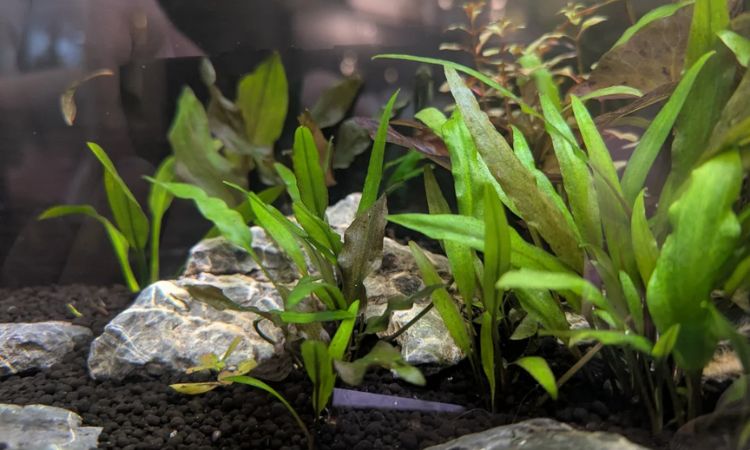
Scientific Classification
| Category | Classification |
| Scientific Name | Cryptocoryne wendtii |
| Common Names | Wendt’s Crypt, Water Trumpet |
| Family | Araceae |
| Genus | Cryptocoryne |
| Origin | Sri Lanka |
| Plant Type | Freshwater rosette plant |
As a member of the Araceae family, Cryptocoryne wendtii belongs to a group of aquatic and semi-aquatic plants known for producing leaves from a central crown rather than upright stems. This rosette growth pattern creates dense, natural-looking clusters that fit seamlessly into planted aquariums.
Growth Rate
Slow to moderate
Unlike fast-growing stem plants, Cryptocoryne wendtii invests much of its energy into establishing an extensive root system before producing abundant new foliage. Newly planted specimens often appear inactive for the first few weeks, but this is a normal part of the acclimation process.
Once the roots are firmly established, the plant begins producing fresh leaves at a steady pace and gradually expands by sending out underground runners. Although growth is not rapid, healthy plants become increasingly attractive over time while requiring very little pruning.
Maximum Height
The mature size depends on the specific cultivar, lighting intensity, and overall aquarium conditions.
| Variety | Typical Height |
| Compact Green forms | 4–6 inches (10–15 cm) |
| Brown and Red varieties | 6–8 inches (15–20 cm) |
| Larger Green or “Real Green” forms | 8–12 inches (20–30 cm) |
| Exceptional mature specimens | Up to 18 inches (45 cm) in ideal conditions |
Because of this natural variation, it’s helpful to research the specific cultivar before planning an aquascape.
Placement Strategy
Cryptocoryne wendtii is an exceptionally flexible aquascaping plant that can be positioned in several areas of the aquarium depending on its mature size.
Foreground
- Best for compact cultivars in larger aquariums.
- Creates gentle transitions between carpeting plants and taller vegetation.
Midground
- The most common placement.
- Provides texture, depth, and natural separation between foreground and background plants.
Background
- Larger varieties can serve as background plants in nano aquariums or smaller tanks, where mature leaves may extend toward the water surface.
Planting several specimens together produces a more natural appearance than scattering individual plants throughout the layout.
Temperature Range
Cryptocoryne wendtii grows well across the temperatures commonly maintained in tropical freshwater aquariums.
Recommended range:
- 71–86°F (22–30°C)
For long-term health, aim to keep temperatures stable rather than allowing frequent fluctuations. Consistency is more important than maintaining an exact value within the recommended range.
Water Hardness
One of the reasons this species is so popular is its ability to adapt to a wide range of water hardness.
Recommended carbonate hardness (KH):
- 2–12 dKH
The plant grows successfully in both soft and moderately hard water, making it suitable for many community aquariums. While it can tolerate harder conditions, sudden changes in hardness may contribute to temporary stress, particularly after planting.
pH Range
Cryptocoryne wendtii performs well in slightly acidic through mildly alkaline water.
Recommended pH:
- 6.0–7.8
Although it tolerates a fairly broad range, stable pH values are far more beneficial than frequent swings. Once acclimated to a consistent environment, the plant typically remains healthy for many years.
Quick Specifications
| Feature | Recommendation |
| Family | Araceae |
| Origin | Sri Lanka |
| Difficulty | Easy |
| Growth Rate | Slow to moderate |
| Mature Height | 4–12 inches (10–30 cm), occasionally up to 18 inches (45 cm) |
| Placement | Foreground, midground, or background depending on variety and tank size |
| Lighting | Low to moderate |
| CO₂ | Optional |
| Temperature | 71–86°F (22–30°C) |
| Water Hardness | 2–12 dKH |
| pH | 6.0–7.8 |
| Propagation | Underground runners |
| Best Feature | Highly adaptable, beginner-friendly, and available in a wide range of colors and leaf textures |
Lighting Requirements for Optimal Growth
One of the biggest reasons Cryptocoryne wendtii has remained a favorite among aquarium hobbyists is its ability to thrive under modest lighting. Unlike many colorful stem plants that demand intense illumination, this species grows well in low-tech setups with standard LED aquarium lights. As long as it receives consistent light and stable water conditions, it will gradually develop healthy foliage without requiring expensive equipment.
Low to Moderate Lighting Is Ideal
Cryptocoryne wendtii performs best under low to moderate light, making it an excellent choice for beginner planted tanks, community aquariums, and low-maintenance aquascapes.
A general guideline is:
- Low light: 10–20 PAR
- Moderate light: 20–40 PAR
Low lighting encourages slow, steady growth and helps minimize algae issues, while moderate lighting can promote fuller plants and enhance the bronze, brown, or red coloration found in certain varieties.
Although the plant tolerates brighter conditions, more light does not necessarily mean better growth. Because Cryptocoryne wendtii naturally grows at a slower pace, it cannot always utilize intense illumination efficiently.
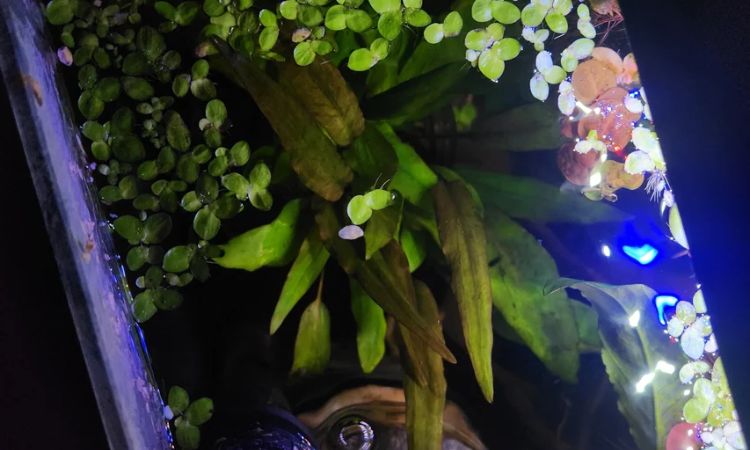
Avoid Excessive Light to Reduce Algae Problems
Since Cryptocoryne wendtii produces new leaves gradually, algae can become a problem if the aquarium receives more light than the plant can use.
Excessive lighting may encourage:
- Green spot algae on older leaves
- Hair algae around the plant base
- Black beard algae in poorly balanced aquariums
These issues are more likely when strong lighting is combined with inconsistent fertilization, unstable CO₂ levels, or excess nutrients.
If algae begins appearing on the leaves, reducing the light intensity or shortening the daily lighting period is often more effective than increasing fertilizer. Maintaining a balanced aquarium with healthy plant growth is the best long-term defense against nuisance algae.
Recommended Photoperiod
For most planted aquariums, 6 to 8 hours of light per day provides an ideal balance between healthy plant growth and algae prevention.
A typical schedule might look like this:
- 6 hours: Newly established aquariums or tanks prone to algae
- 7–8 hours: Mature planted aquariums with stable nutrient levels
Extending the photoperiod beyond 8–10 hours generally offers little benefit for Cryptocoryne wendtii and may increase the likelihood of algae, especially in low-tech systems.
Using an automatic timer is highly recommended. Providing the same amount of light each day creates a stable environment that supports consistent growth and reduces stress caused by irregular lighting schedules.
How Lighting Affects Leaf Color
The amount of light your aquarium receives can noticeably influence the appearance of Cryptocoryne wendtii.
- Low light typically produces larger, greener leaves as the plant adapts to capture more available light.
- Moderate light often results in more compact growth and richer bronze or reddish tones, particularly in varieties such as Wendtii Red and Wendtii Brown.
- Very bright light may intensify coloration slightly, but only when nutrients and carbon are also available in sufficient amounts. Otherwise, the plant may become stressed and algae growth is more likely.
Rather than chasing the brightest colors with stronger lighting, focus on maintaining consistent conditions. Stable light levels, healthy root nutrition, and regular maintenance usually produce the most attractive long-term results.
Water Parameters and Tank Chemistry
| Parameter | Recommended Range | Notes |
| Temperature | 72–82°F (22–28°C) | Stable tropical temperatures promote healthy growth and reduce stress. |
| pH | 6.0–7.5 | Prefers slightly acidic to neutral water but adapts well to mildly alkaline conditions. |
| General Hardness (GH) | 2–12 dGH | Thrives in soft to moderately hard water. |
| Carbonate Hardness (KH) | 1–8 dKH | Moderate buffering capacity helps maintain stable pH. |
| CO₂ | Optional (20–30 ppm if used) | Not required for healthy growth, but supplementation encourages faster growth and richer coloration. |
| Water Flow | Low to moderate | Gentle circulation distributes nutrients without stressing the plant. |
| Water Stability | Highly Recommended | Avoid sudden changes in temperature, pH, hardness, or CO₂ to reduce the risk of crypt melt. |
Substrate and Nutrient Requirements
Use a Nutrient-Rich Substrate
Cryptocoryne wendtii develops an extensive root system and absorbs most of its nutrients through the substrate. For the healthiest growth, plant it in a nutrient-rich aquasoil or planted aquarium substrate that provides a steady supply of essential minerals.
Good substrate options include:
- Aquasoil
- Nutrient-enriched gravel
- Planted tank substrates designed for root-feeding species
A rich substrate encourages stronger roots, larger leaves, and more consistent growth over time.
Add Root Tabs When Using Inert Substrates
If your aquarium uses plain gravel, sand, or another inert substrate, supplementing with root tabs is highly recommended. These fertilizers deliver nutrients directly to the root zone, where Cryptocoryne wendtii can use them most efficiently.
Root tabs typically supply:
- Iron for vibrant leaf color
- Potassium for healthy foliage
- Nitrogen and phosphorus for steady growth
- Trace minerals that support overall plant health
Replace root tabs every 2–4 months, or according to the manufacturer’s instructions, as their nutrients become depleted.
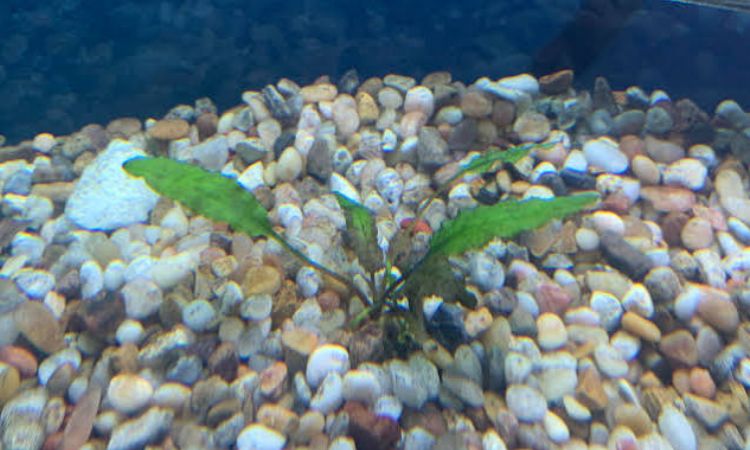
Liquid Fertilizers Support Overall Growth
Although Cryptocoryne wendtii is primarily a root feeder, a quality liquid fertilizer still plays an important role. It replenishes micronutrients in the water column that benefit all aquatic plants, including Cryptocoryne.
Regular dosing can help provide:
- Iron
- Manganese
- Magnesium
- Other essential trace elements
In planted community aquariums, combining root tabs with a balanced liquid fertilizer often produces the best long-term results.
Watch for Nutrient Deficiencies
A nutrient-poor substrate can eventually lead to slower growth and unhealthy foliage.
Common signs include:
- Yellowing leaves, often indicating iron deficiency
- Small holes or pinholes in older leaves, which may suggest potassium deficiency
- Reduced growth and smaller new leaves due to depleted root nutrients
Refreshing the substrate with root tabs usually restores healthy growth without requiring major changes to the aquarium.
Best Practices
For strong, long-lasting growth:
- Plant Cryptocoryne wendtii in nutrient-rich aquasoil whenever possible.
- Use root tabs if growing it in sand or inert gravel.
- Dose a balanced liquid fertilizer regularly to replenish trace elements.
- Avoid disturbing the roots unnecessarily, as established plants prefer to remain in place.
- Monitor older leaves for signs of nutrient deficiencies and replenish fertilizers as needed.
A healthy root zone is the foundation of a thriving Cryptocoryne wendtii. With consistent nutrition below the substrate and occasional water-column fertilization, this hardy plant can remain lush and attractive for many years.
Step-by-Step Planting Guide
Proper planting gives Cryptocoryne wendtii the best chance to establish quickly and develop a healthy root system. Taking a few extra minutes during setup can reduce transplant stress and help the plant settle into its new environment.
Step 1: Prepare the Plant
Before placing the plant in your aquarium, remove it from its pot or packaging and gently rinse the roots to eliminate any rock wool or growing media.
Inspect the plant and:
- Trim away any damaged, yellow, or melting leaves.
- Shorten overly long roots to 1–2 inches (2.5–5 cm) if necessary. This encourages new root growth without harming the plant.
- Leave healthy leaves and roots intact whenever possible.
Removing old or damaged tissue helps the plant direct its energy toward producing fresh underwater growth.
Step 2: Plant It Correctly
Cryptocoryne wendtii is a rosette plant, meaning all of its leaves emerge from a central growing point called the crown. Correct planting depth is essential.
Follow these steps:
- Make a small hole in the substrate.
- Insert the entire root system into the hole.
- Cover the roots completely with substrate.
- Keep the crown just above the substrate surface.
Never bury the crown, as this can restrict new growth and increase the risk of rot.
Step 3: Anchor the Plant Securely
Newly planted Cryptocoryne wendtii may float if the roots haven’t had time to establish.
Using aquascaping tweezers makes planting much easier:
- Hold the plant near the base.
- Push the roots deep into the substrate.
- Slowly withdraw the tweezers while gently pressing the substrate around the roots to keep the plant in place.
If the plant still works its way loose, insert it at a slight angle or place a small plant weight around the base until the roots anchor naturally.
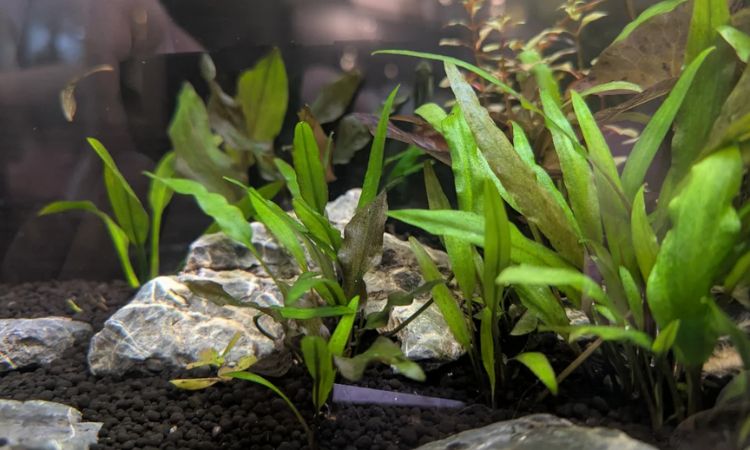
Step 4: Leave the Plant Undisturbed
After planting, avoid relocating Cryptocoryne wendtii unless absolutely necessary. Like most Cryptocoryne species, it responds best when left in one location to establish its root system.
During the first few weeks, the plant may show little visible growth or even lose some older leaves as it adjusts to its new environment. This acclimation period is normal, and healthy roots will usually produce new foliage once the plant settles.
Planting Tips for Success
- Remove all rock wool before planting.
- Trim damaged leaves and shorten excessively long roots to 1–2 inches (2.5–5 cm).
- Bury only the roots, leaving the crown exposed.
- Use aquascaping tweezers for accurate placement.
- Plant in nutrient-rich substrate or add root tabs beneath the root zone.
- Avoid moving the plant after it has been established.
With proper planting and stable water conditions, Cryptocoryne wendtii will gradually develop a strong root system and grow into a dense, attractive clump that requires very little maintenance.