A thriving planted aquarium is about more than creating an eye-catching display. Live aquatic plants help establish a healthier environment by absorbing excess nutrients, offering shelter for fish and shrimp, and contributing to a more stable ecosystem. The good news is that you don’t need expensive equipment or advanced experience to enjoy these benefits.
Many hardy species grow successfully under standard aquarium lighting without injected CO₂ or routine fertilization. If you’re looking for low-maintenance greenery, these easy aquarium plants are excellent choices for building a beautiful freshwater tank with minimal effort.
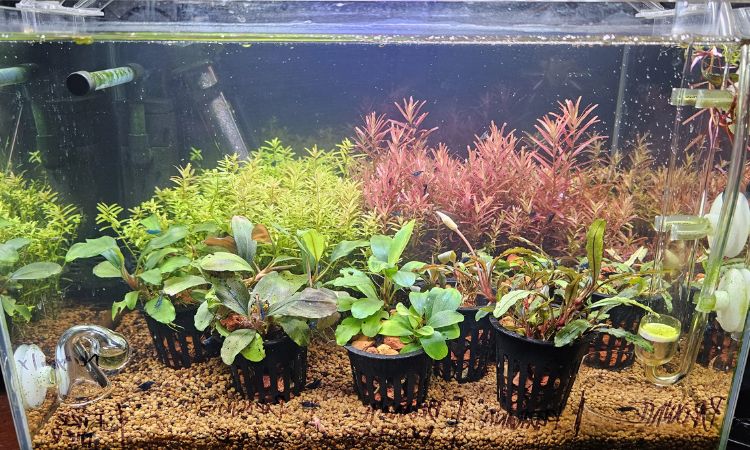
What Makes an Aquarium Plant Truly Easy and Low-Tech?
Not every aquatic plant requires expensive equipment or advanced care. The easiest species are naturally resilient and can thrive in a basic freshwater aquarium with stable water conditions and routine maintenance. Their forgiving nature makes them ideal for beginners and hobbyists who want a healthy planted tank without the complexity of a high-tech setup.
Definition of Low-Tech Aquascaping
Low-tech aquascaping refers to planted aquariums that operate without pressurized CO₂ systems, automated fertilizer dosing pumps, or specialized high-PAR LED lighting. Instead, these tanks rely on standard aquarium lights, naturally available carbon dioxide, and occasional fertilization when needed. Many popular plants, including Anubias, Java Fern, Cryptocoryne, and Java Moss, grow well under these simple conditions.
Slow to Moderate Growth Rates
Most beginner-friendly plants grow at a steady pace rather than rapidly. Slower growth reduces the need for frequent trimming, keeps nutrient demand more stable, and lowers the risk of algae caused by sudden nutrient imbalances. While fast-growing plants like Hornwort and Water Sprite can also succeed in low-tech aquariums, they typically require more regular pruning.
Efficient Nutrient Uptake
Hardy aquarium plants are effective at absorbing nutrients through either their roots or the water column. Root feeders such as Amazon Sword and Cryptocoryne benefit from nutrient-rich substrates or root tabs, while epiphytes like Anubias and Java Fern obtain most of their nutrients directly from the surrounding water. This flexibility allows them to grow successfully in a wide variety of aquarium setups.
Adaptability to Different Conditions
The best low-tech aquarium plants tolerate a broad range of temperatures, pH levels, water hardness, and lighting conditions. They continue growing in most freshwater community tanks without requiring precise water chemistry or specialized equipment. This adaptability makes them forgiving choices for new aquarium hobbyists and helps ensure long-term success with minimal maintenance.
Top 5 Best Easy Aquarium Plants (No CO2 or Fertilizer Needed)
1. Anubias Nana (Anubias barteri var. nana)
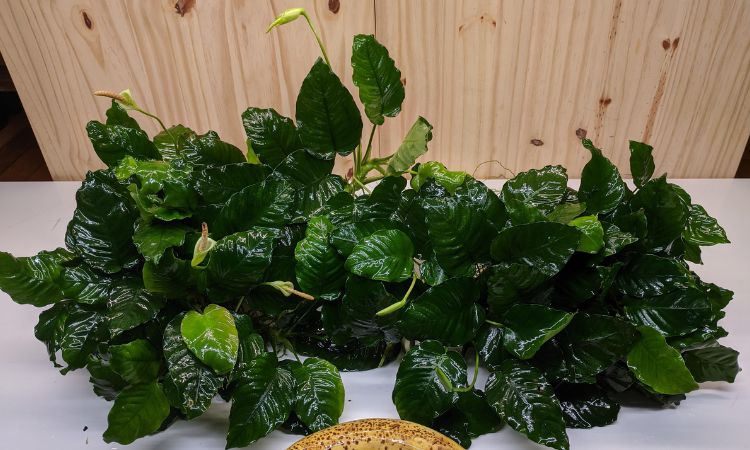
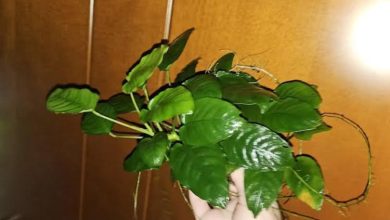
Anubias Nana is one of the most dependable freshwater aquarium plants for beginners. Its dark green, leathery leaves grow slowly and maintain an attractive appearance for years with minimal care. The compact growth habit makes it suitable for nano aquariums, while larger varieties of Anubias barteri work well in medium and large tanks. The bold foliage also creates attractive contrast against driftwood, stones, and lighter green plants.
This rhizome plant performs best under low lighting and does not require nutrient-rich substrate or supplemental CO₂. Instead of planting it in gravel or soil, attach the rhizome to driftwood, rocks, or other hardscape using aquarium-safe glue, cotton thread, or fishing line. Once established, the roots naturally anchor themselves to the surface. Stable water conditions and moderate water flow help promote healthy growth.
Anubias absorbs much of its nutrition directly from the water column, allowing it to grow successfully without routine fertilizer dosing in established aquariums. The only critical requirement is keeping the rhizome above the substrate, as burying it often leads to rot. Its slow growth, broad environmental tolerance, and durability make it one of the easiest low-maintenance aquarium plants available.
2. Java Fern (Microsorum pteropus)
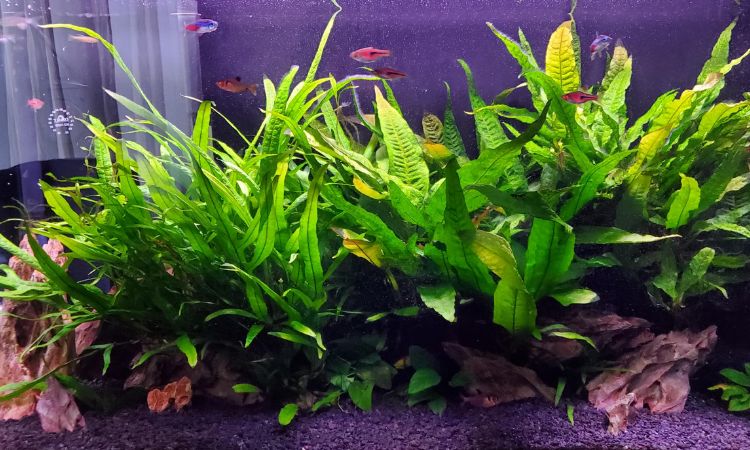
Java Fern is a classic freshwater plant recognized for its long, textured leaves that add height and natural movement to an aquascape. Depending on the variety, foliage may be narrow, lace-like, or deeply divided, making it suitable for both simple community tanks and more elaborate planted layouts.
This species grows well under low to medium lighting and adapts to a wide range of water conditions. Like Anubias, Java Fern should be attached to driftwood, rocks, or porous decorations rather than buried in substrate. The rhizome must remain exposed to prevent decay. Once secured, the plant requires little attention beyond occasional removal of damaged leaves.
Java Fern is exceptionally forgiving and performs well without CO₂ injection or substrate fertilization. Its thick leaves are less appealing to many herbivorous fish, making it a practical choice for aquariums with species that occasionally nibble vegetation. Mature plants also reproduce naturally by producing small plantlets along older leaves, making propagation easy without specialized techniques.
3. Java Moss (Taxiphyllum barbieri)
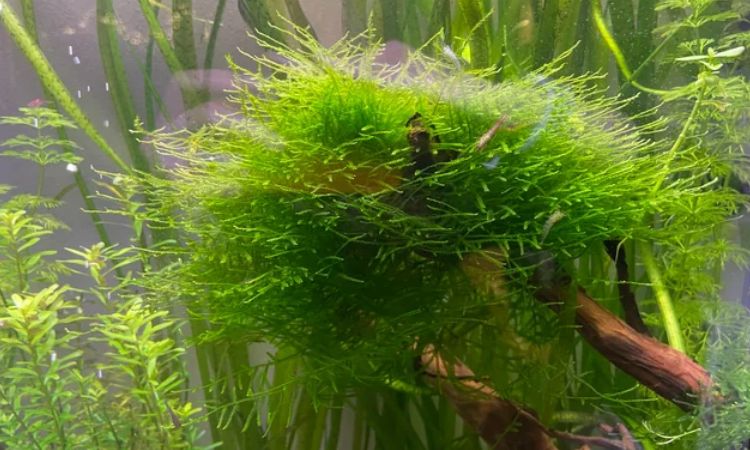
Java Moss forms dense mats of fine green branching stems that create a natural appearance throughout the aquarium. It can cover driftwood, rocks, breeding caves, mesh panels, or even develop into loose carpets when regularly trimmed. Its versatility makes it one of the most widely used mosses in freshwater aquascaping.
Few aquatic plants tolerate as many conditions as Java Moss. It grows under low, medium, or relatively bright lighting and adapts well to a broad range of temperatures and water chemistry. Because it does not require rooting, it can simply be tied or glued onto hardscape, where it gradually attaches on its own.
The dense structure provides valuable shelter for shrimp, newly hatched fry, and other small aquatic animals. Its branching growth traps suspended organic particles, creating surfaces where beneficial microorganisms develop and serve as a natural food source for shrimp and young fish. With minimal maintenance and no need for CO₂ or fertilizers in established tanks, Java Moss remains one of the most beginner-friendly aquarium plants available.
4. Amazon Sword (Echinodorus grisebachii)
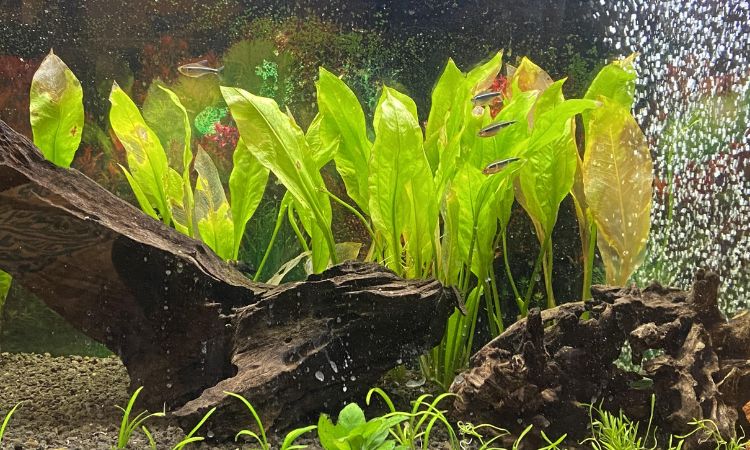
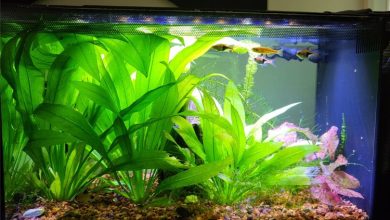
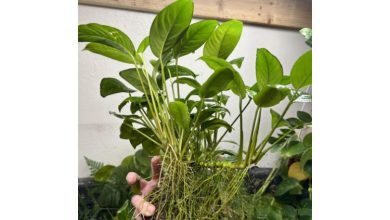
Amazon Sword is a large rosette plant that develops broad, bright green leaves, making it an excellent centerpiece or background feature in freshwater aquariums. Mature specimens often reach impressive sizes, adding depth and creating natural shelter for fish.
This species grows best under moderate lighting and should be planted directly into the substrate. Although it benefits from nutrient-rich aquasoil or occasional root tabs when grown in inert gravel, established aquariums with healthy fish populations often provide sufficient nutrients through accumulated organic waste. Regular removal of aging leaves encourages continued healthy growth.
Unlike many stem plants, Amazon Sword obtains most of its nutrients through an extensive root system that utilizes organic matter trapped within the substrate. In mature community aquariums, this natural nutrient source often supports steady growth without routine liquid fertilizer dosing. While root tabs can improve performance in nutrient-poor substrates, they are not always necessary for healthy development.
5. Hornwort (Ceratophyllum demersum)
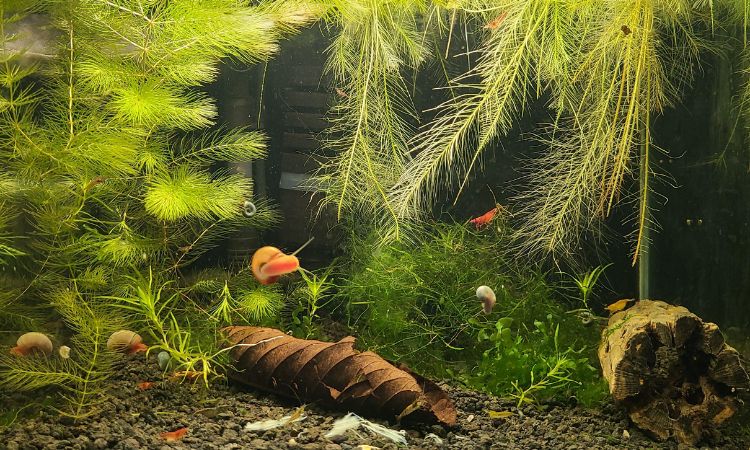
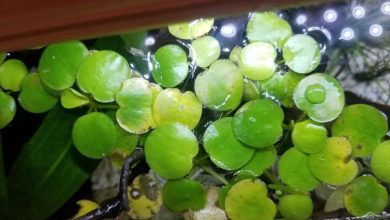
Hornwort is a fast-growing stem plant with soft, needle-like leaves arranged in dense whorls along the stem. Its feathery texture creates a natural background effect while providing excellent cover for fry, shrimp, and timid fish. Depending on the aquascape, it can be used as either a floating plant or loosely anchored in the substrate.
Hornwort adapts to an exceptionally wide range of lighting conditions, from low to bright illumination, and grows well without nutrient-rich substrate because it absorbs nutrients directly from the water column. It requires little maintenance beyond occasional trimming to control its rapid growth.
As one of the fastest-growing beginner plants, Hornwort efficiently absorbs ammonia, nitrates, and other dissolved nutrients, helping reduce resources available for nuisance algae. Its rapid nutrient uptake, combined with oxygen production during photosynthesis, makes it particularly valuable in newly established or lightly planted freshwater aquariums. Because it grows successfully without CO₂ injection or routine fertilizer dosing, it remains an excellent choice for simple low-tech planted tanks.
Essential Setup and Placement Tips for Low-Tech Tanks
Hardscape Integration
Many beginner-friendly plants, including Anubias, Java Fern, and Java Moss, are epiphytes. Instead of growing in the substrate, they naturally attach themselves to rocks, driftwood, and other hard surfaces.
To secure these plants, use cotton thread, fishing line, or a small amount of aquarium-safe cyanoacrylate gel glue. Over the next few weeks, their roots will naturally grip the hardscape, allowing you to remove or leave the attachment material in place. Most importantly, never bury the rhizome of Anubias or Java Fern, as doing so can cause it to rot.
Substrate Considerations
The best substrate depends on the type of plants you plan to keep. Root-feeding species such as Amazon Sword, Cryptocoryne, and Dwarf Sagittaria develop extensive root systems and perform best when planted in a substrate that supports root growth.
Standard aquarium gravel and sand work well for most low-tech aquariums, especially in established tanks where organic nutrients naturally accumulate. Active aquarium soil provides additional nutrients and may encourage faster growth, but it is not essential for many beginner plants. If using inert gravel or sand, occasional root tabs can help support heavy root feeders over the long term.
Lighting Guidelines
Low-tech planted aquariums do not require expensive, high-output lighting systems. Most easy aquarium plants grow successfully under standard LED aquarium hoods designed for freshwater tanks.
A simple timer is one of the most useful tools for maintaining healthy plant growth. Running the lights for 6 to 8 hours per day provides enough energy for most beginner plants while reducing the risk of excessive algae. Avoid leaving the lights on for extended periods, as longer photoperiods often encourage algae without providing significant benefits for low-light species. Consistent lighting, combined with stable water conditions, generally produces better long-term results than increasing light intensity.