How to Grow Hygrophila Pinnatifida: Care, Lighting & CO2 Requirements

If you’re looking for a freshwater aquarium plant that instantly adds texture, color, and character, Hygrophila pinnatifida deserves a spot on your shortlist. Native to the rocky streams of India, this eye-catching species stands apart from typical stem plants with its deeply lobed leaves, rich bronze-to-burgundy tones, and remarkable ability to grow either rooted in the substrate or attached to driftwood and stone.
Whether you’re building a nature-inspired aquascape or simply want a standout accent plant, Hygrophila pinnatifida offers exceptional versatility with surprisingly manageable care requirements. In this guide, you’ll learn everything you need to know about growing Hygrophila pinnatifida, including its lighting needs, CO₂ requirements, planting methods, propagation, and long-term maintenance tips for healthy, vibrant growth.
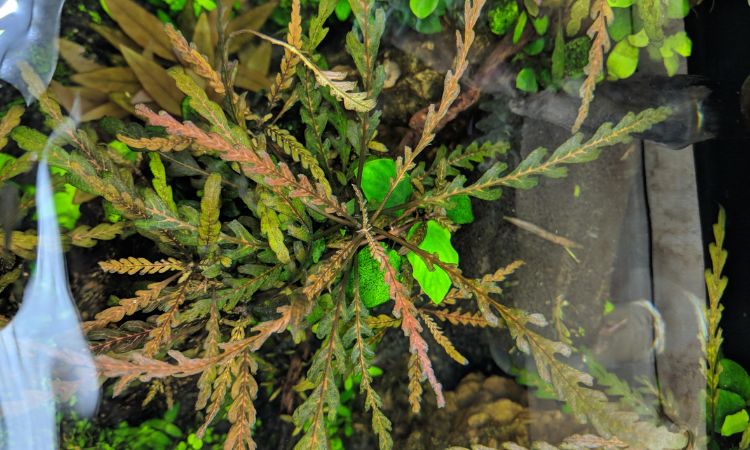
Ideal Water Parameters for Hygrophila Pinnatifida
Hygrophila pinnatifida is a hardy tropical plant that adapts well to a variety of freshwater aquariums, but it performs best when water conditions remain stable rather than constantly changing. Consistent parameters encourage steady growth, stronger roots, and richer leaf coloration, while sudden fluctuations can slow development and stress the plant.
| Parameter | Recommended Range |
| Temperature | 68–82°F (20–28°C) |
| pH Range | 6.0–7.5 |
| Water Hardness | 2–12 dGH (soft to moderately hard water) |
| Carbonate Hardness (KH) | 2–8 dKH |
| Flow Rate | Moderate water circulation |
Temperature
Maintain the aquarium between 68 and 82°F (20–28°C) for healthy, consistent growth. A temperature around 72–79°F (22–26°C) is often considered ideal for most planted community tanks, providing an excellent balance for both the plant and common tropical fish.
pH Range
Hygrophila pinnatifida grows well in slightly acidic to neutral water, with a recommended pH of 6.0–7.5. It tolerates minor variations, but keeping the pH relatively stable helps maximize nutrient uptake and supports healthier foliage.
Water Hardness
This species adapts to both soft and moderately hard water, making it suitable for a wide range of aquarium setups. A general hardness (GH) of 2–12 dGH supplies sufficient calcium and magnesium for healthy growth without limiting nutrient availability.
Water Flow
In nature, Hygrophila pinnatifida inhabits rocky streams where water moves continuously. While it doesn’t require strong current, moderate water circulation offers several benefits:
- Delivers dissolved nutrients and CO₂ evenly throughout the aquarium.
- Prevents debris from collecting on the deeply lobed leaves.
- Improves oxygen exchange around the plant.
- Reduces stagnant areas that may encourage algae growth.
Aim for steady, gentle movement rather than turbulent flow. Positioning the plant where filtered water passes by without directly blasting the leaves usually produces the best results.
Stability Matters More Than Chasing Numbers
Rather than constantly adjusting individual parameters, focus on maintaining clean water and consistent conditions. Weekly water changes, regular fertilization, and reliable filtration will do more for Hygrophila pinnatifida’s long-term health than trying to achieve a perfect number on every test. A stable aquarium allows the plant to establish a strong root system, produce compact growth, and develop its characteristic bronze and burgundy coloration.
Lighting Requirements for Vibrant Coloration
Lighting is one of the biggest factors influencing how Hygrophila pinnatifida looks in an aquarium. While the plant can survive under moderate light, its color, leaf shape, and overall growth habit change dramatically as light intensity increases. If your goal is to achieve the signature bronze and burgundy foliage seen in professional aquascapes, providing the right lighting is essential.
Light Intensity: Medium to High
Hygrophila pinnatifida performs best under medium to high lighting, typically around 30–60 PAR at the plant level.
The amount of light directly affects leaf coloration:
| Light Level | Expected Appearance |
| Low | Mostly green leaves with slower, taller growth. |
| Moderate | Olive-green to bronze foliage with healthy, compact development. |
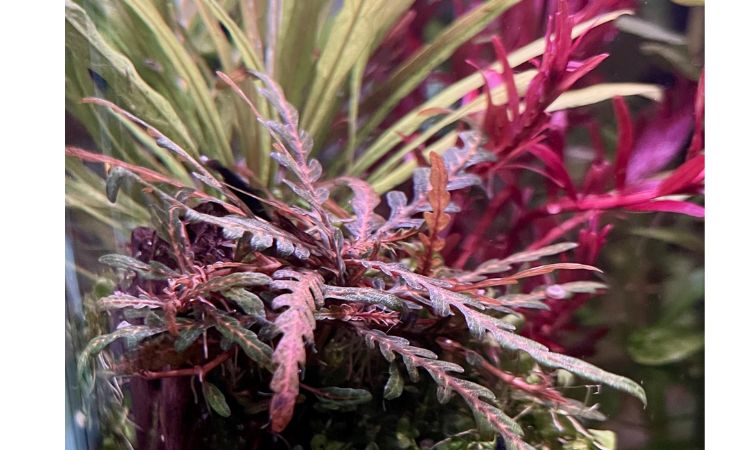
| High | Deep bronze, reddish-brown, and burgundy tones with dense branching, especially when paired with CO₂ and regular fertilization. |
Brighter lighting also encourages shorter internodes, giving the plant a fuller, bushier appearance instead of producing long, stretched stems.
Tip: High light alone won’t create vibrant colors. Adequate nutrients—particularly iron and potassium—and stable CO₂ levels are equally important for bringing out the richest bronze-red hues.
Photoperiod: 7–9 Hours Per Day
A consistent lighting schedule is just as important as intensity.
For most planted aquariums, aim for 7–9 hours of light daily. This provides enough energy for healthy photosynthesis without unnecessarily increasing the risk of algae.
A timer is highly recommended because it keeps the photoperiod consistent every day.
| Daily Light Duration | Result |
| 6 hours or less | Slower growth and reduced coloration. |
| 7–9 hours | Ideal balance between healthy growth, color development, and algae control. |
| More than 10 hours | Higher likelihood of algae unless nutrients and CO₂ are carefully balanced. |
Longer lighting periods rarely improve plant health and often create conditions that favor nuisance algae instead.
Light Spectrum: Full-Spectrum LED
A full-spectrum LED aquarium light designed for aquatic plants delivers the best results.
Quality plant LEDs provide wavelengths that support efficient photosynthesis while enhancing the natural colors of both plants and fish. Under full-spectrum lighting, Hygrophila pinnatifida develops stronger growth and displays more vibrant bronze and burgundy tones than it typically would under standard white aquarium lights.
When selecting a fixture, look for one that offers:
- Full-spectrum output for aquatic plants.
- Even light distribution across the aquarium.
- Adjustable intensity for fine-tuning plant growth.
- Stable daily operation using a programmable timer.
Finding the Right Balance
Although Hygrophila pinnatifida appreciates bright conditions, balance is more important than simply increasing light output. Excessive lighting without sufficient nutrients or CO₂ can lead to algae growth and pale, stressed foliage.
For most aquariums, the best combination includes:
- Medium to high-intensity LED lighting (30–60 PAR).
- A consistent 7–9 hour photoperiod.
- Regular fertilization with macro- and micronutrients.
- Optional CO₂ injection for faster growth and richer coloration.
When these factors work together, Hygrophila pinnatifida develops compact growth, abundant side shoots, and the deep bronze-red coloration that makes it one of the most striking accent plants in a planted aquarium.
CO2 Injection and Fertilization Needs
Hygrophila pinnatifida can adapt to a variety of planted aquarium setups, but its best growth comes from a combination of stable CO₂ levels and consistent nutrient dosing. While the plant won’t immediately decline in a low-tech tank, providing adequate carbon and fertilizers makes a noticeable difference in growth rate, leaf size, and coloration.
CO₂ Requirements
Supplemental CO₂ injection isn’t mandatory, but it is highly recommended if you want Hygrophila pinnatifida to reach its full potential.
A concentration of 20–30 ppm CO₂ encourages:
- Faster, more vigorous growth.
- Thicker, sturdier stems.
- Compact branching.
- Larger, healthier leaves.
- Rich bronze and burgundy coloration.
Without injected CO₂, the plant generally grows more slowly and remains greener. It can still thrive in low-tech aquariums, provided lighting is moderate and water conditions remain stable, but expect less compact growth and more subdued colors.
| CO₂ Level | Plant Response |
| No CO₂ | Slow but steady growth with greener foliage. |
| 20–30 ppm CO₂ | Faster development, denser branching, stronger stems, and more vibrant coloration. |
Tip: High lighting should ideally be paired with CO₂ injection. Bright light without sufficient carbon often leads to algae problems and slower overall plant performance.
Macronutrients (NPK)
Like most actively growing stem plants, Hygrophila pinnatifida benefits from regular supplementation with macronutrients, which fuel healthy leaf production and stem development.
A balanced fertilizer containing:
- Nitrogen (N) for healthy foliage and steady growth.
- Phosphorus (P) to support root development and energy transfer.
- Potassium (K) for strong tissue development and overall plant health.
Consistent NPK dosing helps maintain vigorous growth while preventing common nutrient deficiencies.
A lack of potassium is particularly noticeable in Hygrophila pinnatifida and may cause:
- Small pinholes in older leaves.
- Weak or damaged leaf tissue.
- Reduced growth.
Maintaining a regular fertilization schedule is more effective than adding large doses sporadically.
Micronutrients and Iron
In addition to macronutrients, Hygrophila pinnatifida requires trace elements to maintain healthy foliage and vibrant coloration.
Iron is especially important because it enhances the plant’s characteristic bronze and reddish-brown tones. When iron is available in adequate amounts, new growth develops richer color and healthier leaves.
Other essential micronutrients—including manganese, zinc, boron, and magnesium—also contribute to strong growth and efficient photosynthesis.
Signs that micronutrient levels may be too low include:
- Pale or washed-out new leaves.
- Reduced red or bronze coloration.
- Slower growth despite adequate lighting.
- Less vigorous branching.
Using a high-quality comprehensive liquid fertilizer ensures the plant receives both iron and other trace elements needed for long-term health.
Finding the Right Balance
The most impressive Hygrophila pinnatifida specimens aren’t produced by high light alone—they result from balancing lighting, CO₂, and nutrients.
For consistently healthy growth, aim for:
| Factor | Recommendation |
| CO₂ | 20–30 ppm (recommended for optimal growth) |
| Macronutrients | Regular NPK dosing |
| Micronutrients | Comprehensive trace fertilizer |
| Iron | Consistent supplementation to enhance bronze-red coloration |
When these elements are supplied consistently, Hygrophila pinnatifida responds with compact growth, sturdy stems, abundant side shoots, and the deep reddish-brown foliage that makes it one of the most striking plants in a freshwater aquascape.
Planting and Placement Options
Rooted in Substrate
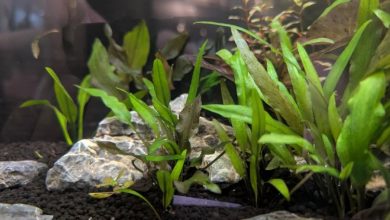
Although Hygrophila pinnatifida is often attached to hardscape, it also performs very well when planted directly into the substrate. A nutrient-rich aquasoil provides the best results because the roots can access a steady supply of minerals while firmly anchoring the stems. If you’re using sand or plain gravel, adding root tabs beneath the plant will significantly improve long-term growth.
When planting, use aquascaping tweezers to insert the stem gently into the substrate, burying only the lower portion while keeping the leaves above the surface. Space each stem about 2–4 inches (5–10 cm) apart so light can reach the lower foliage and water can circulate freely around the plant. Proper spacing also encourages fuller side branching instead of a crowded, tangled appearance.
Attached to Hardscape (Epiphyte Style)
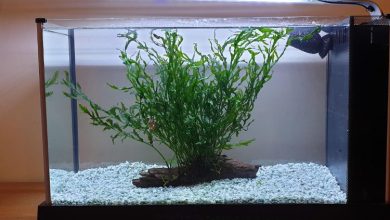
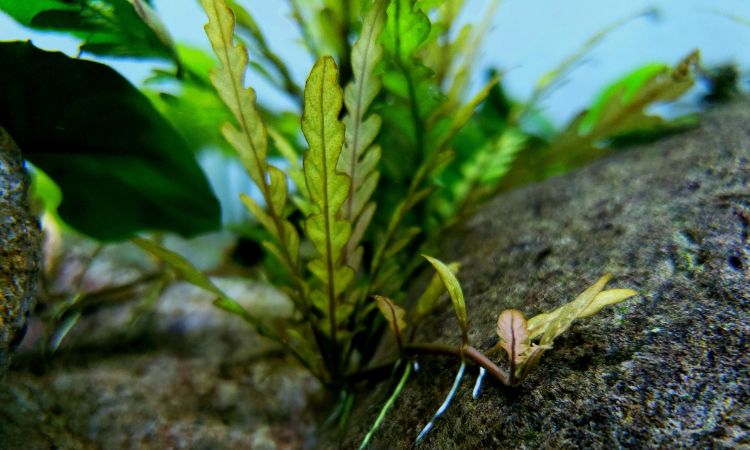
One of the features that makes Hygrophila pinnatifida stand out is its ability to grow attached to rocks and driftwood, much like Anubias or Java Fern. In nature, the plant often clings to submerged stones in fast-flowing streams, making this a very natural way to display it in an aquascapes.
To attach the plant, position the base of the stem against driftwood, lava rock, or other porous hardscape, then secure it with aquarium-safe cyanoacrylate gel glue or soft cotton thread. Over the following weeks, the roots gradually grip the surface on their own, allowing the thread to decompose naturally or the glued section to become hidden by new growth.
This method creates a striking cascading effect as the stems spread horizontally and produce multiple side shoots. Mounted specimens also receive better water circulation and light exposure, making them excellent accent plants for wood-centered Nature Aquarium layouts, rocky Iwagumi designs, or river-inspired aquascapes.
How to Propagate Hygrophila Pinnatifida
Stem Cuttings
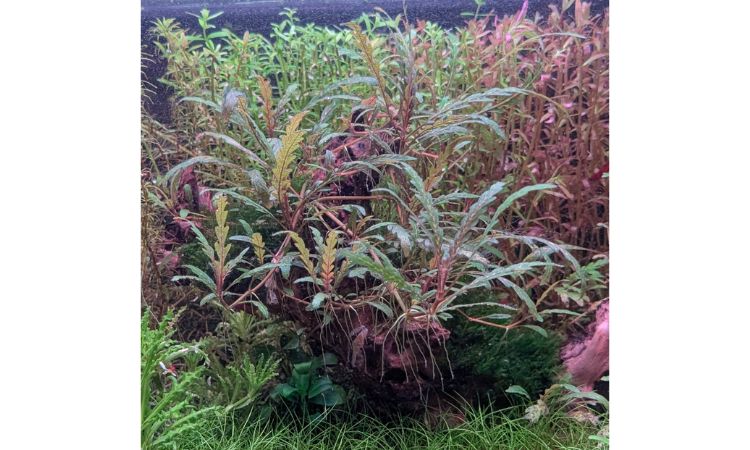
The easiest and most reliable way to propagate Hygrophila pinnatifida is through stem cuttings. As the plant matures, it naturally produces multiple side shoots and branching stems that can be separated to create new plants.
Use a pair of sharp aquascaping scissors to cut a healthy stem just below a leaf node. Choose cuttings with several leaves and at least two or three nodes for the best chance of quick establishment. Remove any leaves from the lower portion of the stem, then either plant it directly into a nutrient-rich substrate or attach it to driftwood or rock using aquarium-safe cyanoacrylate gel or cotton thread. Under stable conditions, new roots typically develop within a couple of weeks, and fresh growth soon follows.
Horizontal Runner Management
Unlike many traditional stem plants, Hygrophila pinnatifida often spreads by producing horizontal shoots that creep across driftwood, rocks, or the substrate. These runners develop small plantlets along their length, each capable of becoming an independent specimen once a healthy root system forms.
Allow the runner to remain attached until the new plant has produced several roots and leaves. At that point, use aquascaping scissors to snip the connection between the parent plant and the young offshoot. The newly separated plantlet can then be repositioned elsewhere in the aquarium to fill empty spaces, create layered groups, or establish new focal points. Waiting until the roots are well developed greatly improves survival and helps the plant settle into its new location more quickly.
Tips for Faster Propagation Success
Healthy growth conditions significantly increase propagation success. Bright lighting, consistent fertilization, and 20–30 ppm of CO₂ encourage faster root production and stronger new shoots. Regular trimming also stimulates branching, giving you more cuttings over time without weakening the original plant.
For the most natural-looking aquascape, avoid planting every new cutting in a straight line. Instead, group stems in small clusters with slight spacing between them. As the plants mature and spread, they’ll create the layered, textured appearance that makes Hygrophila pinnatifida such a standout feature in planted aquariums.