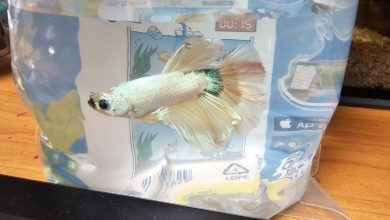
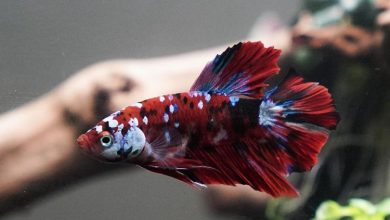
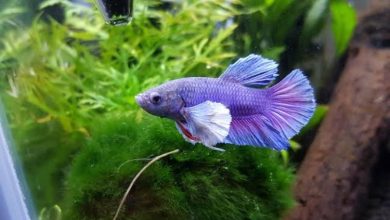
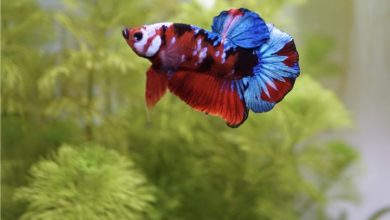
Alien Bettas are a unique hybrid variety of Betta fish known for their metallic shine, wild appearance, and vibrant colors. Unlike traditional ornamental Bettas, they were developed by crossing domestic Betta splendens with selected wild Betta species, creating a fish with a more natural body shape and distinctive iridescent patterns.
With popular color forms such as green, blue, copper, and red, Alien Bettas have become highly sought after by aquarium enthusiasts. Their active behavior, striking appearance, and unique genetics make them a fascinating choice for fish keepers. In this guide, we’ll explore Alien Betta care, including their habitat requirements, diet, compatibility, breeding, and common health concerns.
What is an Alien Betta? Origins and Characteristics
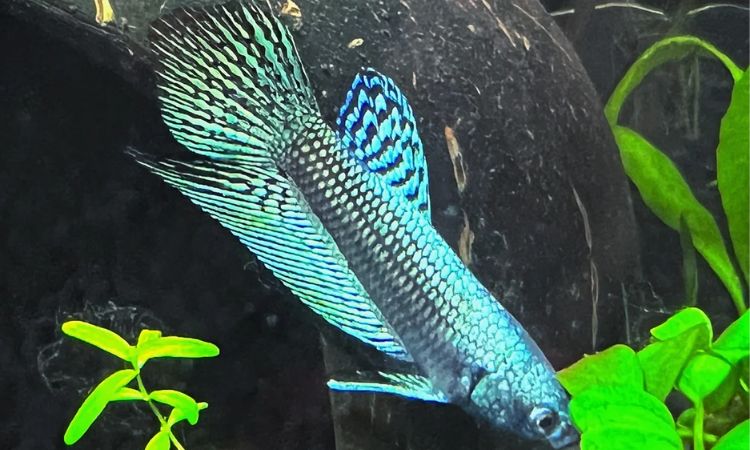
The Alien Betta is a unique hybrid variety that has quickly gained popularity among aquarium enthusiasts for its wild appearance, metallic coloration, and active personality. Despite its unusual name, it is not a separate species discovered in nature. Instead, the Alien Betta is the result of careful selective breeding that combines traits from domestic Betta splendens with certain wild Betta species.
Hybrid Origins and Wild Betta Lineage
Alien Bettas were developed by breeders in Southeast Asia, particularly Thailand, where Betta breeding has been practiced for generations. Unlike many ornamental Bettas that are bred mainly for dramatic fin shapes and bright colors, Alien Bettas focus on combining the appearance of wild Bettas with the beauty of domesticated strains.
Their genetics commonly include wild species such as Betta mahachaiensis, Betta smaragdina, and Betta imbellis, crossed with domestic Betta splendens. These wild ancestors contribute traits such as a more natural body structure, stronger swimming ability, and increased activity levels, while domestic Betta genetics add enhanced coloration and ornamental appeal.
Because Alien Bettas are hybrids rather than a standardized species, their exact appearance and traits can vary depending on the breeder and genetic line. Some may display stronger wild characteristics, while others may show more domestic Betta features.
Distinct Appearance and Physical Characteristics
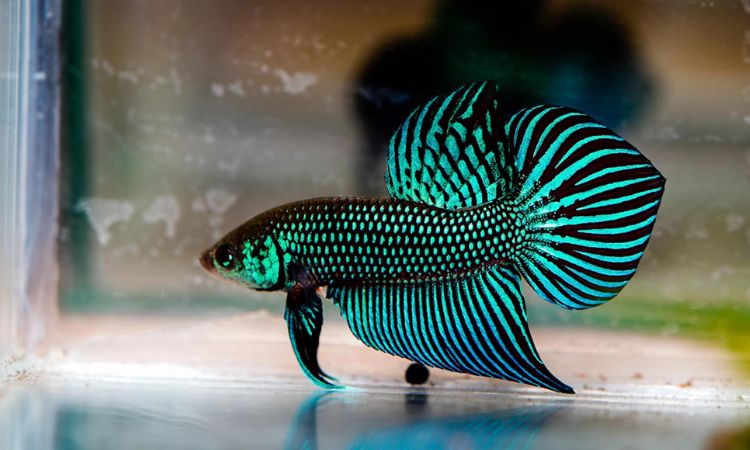
The most recognizable feature of an Alien Betta is its incredible metallic sheen. Their scales often appear covered in a reflective layer that creates a glowing effect under aquarium lights. Common colors include deep green, blue, turquoise, copper, and combinations of these shades. Many specimens also have darker markings or web-like patterns across their fins and body, giving them a distinctly wild and exotic appearance.
Compared with traditional long-finned Betta varieties, Alien Bettas usually have a more streamlined and athletic body shape. Their shorter fins allow them to swim more efficiently, making them appear much more energetic than heavy-finned varieties such as Halfmoons or Veiltails. Instead of slowly gliding through the aquarium, many Alien Bettas spend their time exploring plants, investigating decorations, and actively patrolling their territory.
Their wild ancestry also contributes to a more natural appearance, including a stronger body structure and a slightly more rugged look. Many keepers appreciate that Alien Bettas combine the elegance of ornamental Bettas with the character and movement of wild-type fish.
Size and Lifespan
An adult Alien Betta typically reaches around 2 to 2.5 inches (5 to 6.5 cm) in length, although size can vary depending on genetics, diet, and overall care. Males are usually longer and leaner, while females tend to have smaller bodies with a rounder shape, especially when carrying eggs.
With proper care, an Alien Betta can generally live around 3 to 5 years, with some individuals reaching beyond that range in excellent conditions. Maintaining stable water parameters, providing a nutritious high-protein diet, reducing stress, and keeping the aquarium clean all play important roles in helping these fish reach their full lifespan.
Their combination of striking appearance, active behavior, and fascinating hybrid genetics makes the Alien Betta a rewarding choice for aquarists who want something beyond the typical pet store Betta. While they share many care requirements with other Betta splendens varieties, their wild influence gives them a personality and appearance that truly stand out in a home aquarium.
Stunning Alien Betta Colors and Variations
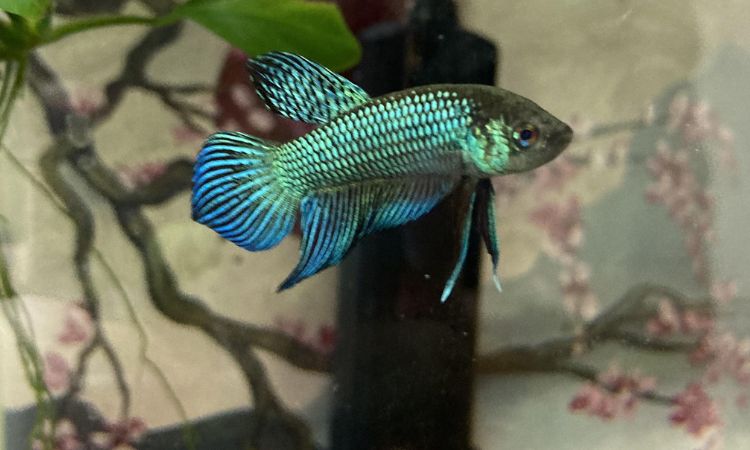
One of the biggest reasons Alien Bettas have become so popular among fish keepers is their incredible metallic appearance. Unlike many traditional Betta varieties that rely on bright solid colors or elaborate fin shapes, Alien Bettas stand out because of their reflective scales and wild-looking patterns. Their colors often appear to shift as they move through the aquarium, creating a shimmering effect that makes each fish feel completely unique.
Because Alien Bettas are hybrids with varied genetics, no two individuals look exactly alike. Their final coloration depends on their lineage, breeding quality, and age, with many fish developing stronger metallic tones as they mature.
Common Alien Betta Color Variations
Green Alien Betta
The Green Alien Betta is one of the most sought-after color types in the hobby. These fish typically display deep emerald, turquoise, or blue-green tones combined with a bright metallic sheen. Under proper lighting, their scales can glow almost like polished metal, giving them a natural yet futuristic appearance.
Blue Alien Betta
Blue Alien Bettas are known for their rich ocean-like coloration. Their bodies may range from dark steel blue to vibrant turquoise, often with reflective scales that create a glowing effect when viewed from different angles. This color variation is especially popular among aquarists who enjoy cool-toned fish with a dramatic appearance.
Copper Alien Betta
Copper varieties have warm bronze, orange, or reddish metallic tones that create a striking contrast against their darker body patterns. Their scales often resemble brushed copper or antique gold, making them a standout centerpiece in a planted aquarium.
Red Alien Betta
Red Alien Bettas display intense shades of crimson, maroon, or orange-red. While less common than green or blue variations, their fiery coloration combined with metallic highlights creates a bold and eye-catching display.
Other Hybrid Color Forms
Breeders continue developing new Alien Betta lines, so hobbyists may also encounter variations with mixed metallic shades, including purple, black, turquoise, and multi-colored patterns. Because these fish come from complex hybrid backgrounds, unusual color combinations are part of their appeal.
How Lighting Enhances Their Metallic Scales
Lighting plays an important role in showing the true beauty of an Alien Betta. Their iridescent scales reflect and scatter light, causing their colors to appear different depending on the viewing angle. A fish that looks deep blue from one side may show green or turquoise highlights when it turns under aquarium lighting.
Moderate LED aquarium lighting is usually ideal because it enhances their reflective scales without creating excessive brightness or stress. Dark substrates, natural decorations, and planted tanks can also make their metallic colors stand out by providing contrast.
Many keepers notice that Alien Bettas look especially impressive under softer lighting conditions, where their scales have a more natural glow rather than a harsh reflection. Since their coloration can change as they mature, regular observation is part of the enjoyment of keeping these fascinating fish.
The combination of metallic shimmer, wild patterns, and constantly changing colors is what makes the Alien Betta such a captivating addition to the aquarium hobby. Each fish offers a one-of-a-kind appearance, turning a small aquarium into a living display of natural artistry and selective breeding.
Ideal Alien Betta Habitat Setup
Creating the right environment is one of the most important parts of Alien Betta care. Although these fish are hardy and benefit from wild Betta genetics, they still need stable water conditions, gentle filtration, and a thoughtfully designed aquarium to stay healthy and display their incredible metallic colors.
A well-planned habitat does more than keep an Alien Betta alive—it allows their natural behaviors to shine. With enough space to explore, calm water movement, and comfortable hiding areas, these fish often become active, curious, and highly engaging aquarium residents.
Tank Size Recommendations
A 5-gallon aquarium is the minimum recommended size for a single Alien Betta, providing enough room for swimming while allowing easier control of water quality. However, a 10-gallon tank or larger is ideal because the increased water volume creates a more stable environment and gives the fish additional space to explore.
Alien Bettas are generally more active swimmers than many long-finned domestic Betta varieties. Their shorter fins and streamlined bodies allow them to move quickly around the aquarium, so extra swimming space is beneficial.
A suitable tank setup should include:
- A secure lid: Alien Bettas can be excellent jumpers, especially because of their wild ancestry. A tight-fitting cover prevents accidental escapes.
- Gentle filtration: A sponge filter or low-flow filter provides biological filtration without creating strong currents.
- A fully cycled aquarium: Ammonia and nitrite should always remain at 0 ppm before introducing the fish.
- Open swimming areas: Leave some areas free of decorations so the Betta can patrol and explore comfortably.
While Alien Bettas can sometimes live in carefully selected community tanks, many keepers prefer a dedicated setup where the fish can display its colors and personality without territorial stress.
Water Parameters
Stable water conditions are essential for maintaining the health, coloration, and activity level of an Alien Betta. Because these fish carry genetics from wild Betta species, they often appreciate conditions that resemble their natural tropical environments.
Recommended water parameters include:
- Temperature: 76–82°F (24–28°C), with around 78–80°F (25–27°C) being an excellent range.
- pH: 6.5–7.5, preferably stable rather than constantly adjusted.
- General Hardness (GH): Around 3–15 dGH.
- Ammonia: 0 ppm.
- Nitrite: 0 ppm.
- Nitrate: Ideally below 20 ppm, with levels kept under 30 ppm through regular maintenance.
A reliable adjustable aquarium heater is recommended because sudden temperature changes can weaken the immune system and increase stress. Water conditioner should always be used when adding tap water to remove chlorine and chloramines.
Many Alien Betta keepers also add natural tannins through materials such as Indian almond leaves or driftwood. These release beneficial compounds into the water and create a slightly more natural environment with a soft, tea-colored appearance. While not strictly required for survival, tannins can help replicate the conditions associated with wild Betta habitats.
Aquascaping and Decor
A thoughtfully decorated aquarium helps Alien Bettas feel secure while making their metallic scales stand out. These fish look especially impressive in planted tanks where their shimmering colors contrast against natural textures.
Recommended aquascaping elements include:
Live or Soft Plants
Plants provide cover, resting areas, and enrichment. Good options include:
- Java fern
- Anubias
- Cryptocoryne
- Floating plants such as frogbit or salvinia
Floating plants are particularly useful because they create shaded areas and give Alien Bettas a place to feel protected near the surface.
Resting Spots
Like other Bettas, Alien Bettas appreciate places where they can pause and rest. Broad plant leaves, Betta hammocks, or floating decorations near the water surface provide comfortable resting areas.
Driftwood and Natural Decorations
Smooth driftwood and natural hardscape materials can create hiding areas while enhancing the aquarium’s appearance. Always choose decorations with rounded edges, as rough surfaces may damage the fish’s scales or fins.
Substrate Choice
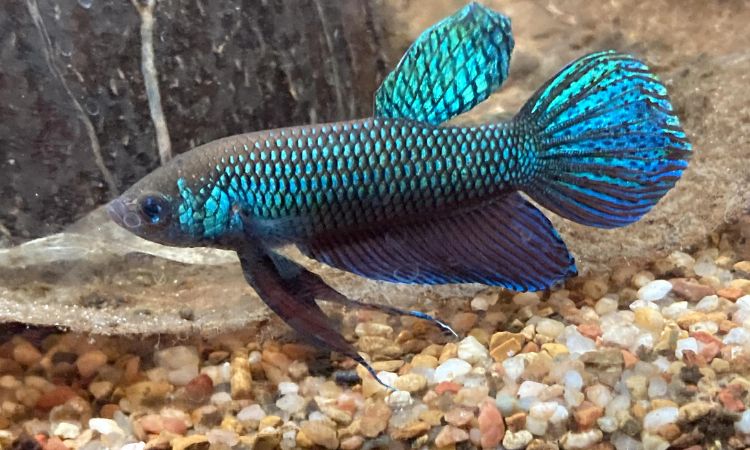
A dark substrate is often preferred because it makes the metallic blue, green, and copper tones of Alien Bettas appear more vibrant. Fine gravel or aquarium soil can both work well, especially in planted setups.
Lighting Considerations
Lighting plays an important role in showing off an Alien Betta’s reflective scales. Moderate aquarium lighting usually works best. Extremely bright lighting or direct sunlight can create unnecessary stress, while softer lighting often enhances their iridescent glow.
The best Alien Betta habitat combines clean water, gentle movement, natural decoration, and enough space for exploration. When provided with the right setup, these unique fish can reward their keepers with stunning colors, fascinating behaviors, and years of enjoyment.
Alien Betta Diet and Nutrition
Alien Bettas are carnivorous fish that require a protein-rich diet to support their energy, growth, and vibrant metallic coloration. A balanced feeding routine should combine high-quality staple foods with occasional frozen or live treats.
High-Quality Staple Foods
The main diet should consist of premium Betta pellets or flakes formulated for carnivorous fish. Choose foods with high protein content and quality animal-based ingredients, such as insect meal or fish protein.
Good staple foods help maintain:
- Healthy growth and muscle development
- Strong immune function
- Bright metallic coloration
- Consistent energy levels
Pellets are usually preferred because they are easier to portion and less likely to create waste compared with flakes.
Live and Frozen Treats
To provide variety and encourage natural hunting behavior, offer frozen or live foods several times per week. Good options include:
- Bloodworms: A protein-rich treat that many Bettas enjoy, but should be fed in moderation.
- Brine shrimp: Helps support activity and overall condition.
- Daphnia: Provides nutrients while supporting healthy digestion.
These foods can enhance coloration and keep Alien Bettas active, but they should supplement—not replace—a complete Betta diet.
Feeding Schedule and Portion Control
Feed your Alien Betta 1–2 small meals per day, offering only what it can finish within 2–3 minutes. Avoid overfeeding, as excess food can cause bloating, constipation, and poor water quality.
A healthy feeding routine includes:
- Small portions of high-quality pellets daily
- Frozen or live foods 2–3 times per week
- Occasional fasting days if needed to prevent digestive issues
Monitoring your fish’s body shape and activity level is the best way to adjust feeding amounts. A properly fed Alien Betta should remain active, curious, and maintain its brilliant metallic appearance.
Common Health Issues and Disease Prevention
Alien Bettas are generally hardy fish thanks to their wild betta ancestry, but they can still develop health problems when exposed to poor water quality, stress, or an unsuitable environment. Their thick metallic scales can sometimes make early signs of illness harder to notice, so paying attention to behavior, appetite, and activity levels is essential for catching problems quickly.
Common Health Problems in Alien Bettas
Fin Rot:
Fin rot is a bacterial infection commonly linked to poor water conditions, stress, or damaged fins. Symptoms include frayed edges, discoloration, or gradual fin deterioration. Improving water quality through regular maintenance is the first step, while more advanced cases may require antibacterial treatments.
Ich (White Spot Disease):
Ich is a common parasitic infection that appears as small white spots on the body, fins, or gills. It is often triggered by stress or sudden temperature changes. Maintaining a stable water temperature and using appropriate aquarium treatments can help eliminate the parasite.
Velvet Disease:
Velvet is another parasitic condition that can affect Alien Bettas. It may appear as a fine gold or rust-colored dust on the skin, often accompanied by scratching, lethargy, or loss of appetite. Early treatment is important because velvet can progress quickly if left untreated.
Maintaining Healthy Water Conditions
The best defense against disease is a clean, stable aquarium environment. Alien Bettas are sensitive to sudden changes, so avoid major fluctuations in temperature, pH, or water chemistry.
Regular maintenance should include:
- Performing 20–30% weekly water changes to remove waste buildup
- Using a reliable water conditioner to remove chlorine and chloramines
- Testing ammonia and nitrite levels regularly and keeping them at 0 ppm
- Keeping nitrate levels low through proper filtration and routine maintenance
- Maintaining a consistent temperature around 76–82°F (24–28°C)
A well-maintained tank reduces stress and allows the fish’s immune system to function properly.
Quarantine New Tank Additions
Any new fish, plants, or aquarium animals should be quarantined before being introduced to an Alien Betta’s tank. New arrivals can carry parasites or bacteria that may not be immediately visible.
A quarantine period of 2–4 weeks allows you to monitor for signs of illness and treat problems before they spread. This simple step is especially important for Alien Bettas because their unique genetics and valuable appearance make prevention far easier than dealing with disease after it appears.
With clean water, a balanced diet, and careful observation, Alien Bettas can remain healthy, active, and display their stunning metallic colors for years.