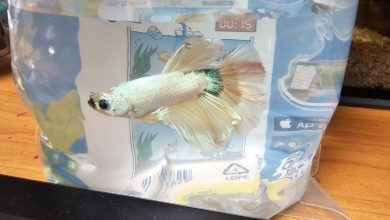
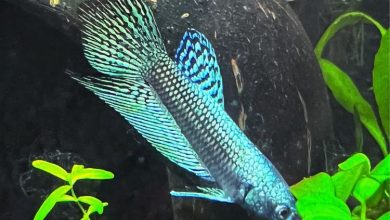
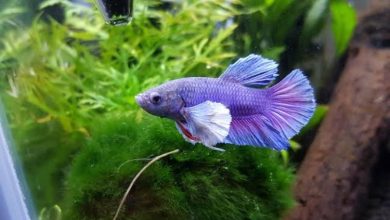
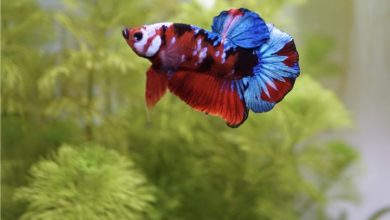
The Koi Betta is one of the most captivating varieties within the world of ornamental bettas, admired for its unpredictable color patterns, artistic marbling, and koi-like appearance. Often grouped with Marble Bettas or Fancy Bettas, this stunning fish is not a cross between a betta and a koi carp but rather a selectively developed strain of Betta splendens created through generations of careful breeding. With every fish displaying its own unique blend of reds, oranges, whites, blacks, and shimmering metallic tones, no two Koi Bettas are ever exactly alike.
From their fascinating genetic background and evolving color variations to their ideal aquarium setup, diet, health needs, and breeding techniques, Koi Bettas offer endless discovery for both beginner aquarists and experienced fish keepers. This complete guide explores everything you need to know about Koi Betta care, popular varieties, behavior, tank requirements, and what makes these living works of art so special.

Understanding the Koi Betta
The Koi Betta is one of the most fascinating varieties of Betta splendens, admired for its unpredictable patterns, vibrant colors, and unique appearance. Unlike traditional betta varieties that often have consistent coloration, Koi Bettas are known for their marble-like patterns that can continue changing throughout their lives. This combination of genetics, selective breeding, and individuality is what makes each Koi Betta feel like a one-of-a-kind aquarium treasure.
Although their name comes from their resemblance to koi carp, Koi Bettas are not a hybrid between koi fish and bettas. They are specially bred bettas developed from marble betta lines, with breeders selecting fish that display koi-inspired combinations of colors such as red, white, orange, and black.
Genetics and Appearance
The unique appearance of Koi Bettas comes primarily from the marble gene, a genetic trait that affects how pigment cells develop and spread across the fish’s body. This gene is sometimes associated with changing coloration because pigment patterns can shift as the fish grows older.
A young Koi Betta may look completely different several months later. Some individuals develop stronger red or orange patches, gain metallic scales, or lose certain markings as their marble pattern continues to evolve. These changes are natural and are one of the reasons Koi Bettas are so popular among aquarium enthusiasts.
Unlike regular bettas with more predictable color patterns, Koi Bettas often display irregular patches and splashes of color rather than a uniform appearance. Their bodies may feature:
- White or pale base coloration
- Red, orange, or yellow patches
- Black markings that create contrast
- Iridescent blue or green scales
- Metallic or galaxy-like patterns
The exact arrangement of colors varies from fish to fish, making every Koi Betta visually unique.
Koi Bettas are also available in different fin types, including long-finned varieties such as Halfmoon Koi Bettas and shorter-finned forms like Plakat Koi Bettas. Their body shape and finnage can influence their swimming style, with short-fin varieties generally being more active swimmers and long-fin types displaying more dramatic movement.
Male vs. Female Koi Bettas
Male and female Koi Bettas share the same beautiful koi-inspired patterns, but there are noticeable differences in size, coloration, fin development, and behavior.
Male Koi Bettas
Male Koi Bettas are typically the most commonly sold variety because they often display brighter colors and more impressive finnage. Selective breeding has focused heavily on males, resulting in individuals with intense patterns and flowing fins.
Common characteristics of male Koi Bettas include:
- Larger, more elaborate fins
- Brighter and more contrasting colors
- Longer body shape
- Stronger territorial behavior
Male Koi Bettas are known for their confident personalities and may flare their fins when they feel threatened, excited, or are displaying dominance. Like other male bettas, they should generally be kept alone because they may fight with other males.
Female Koi Bettas
Female Koi Bettas are usually smaller and have shorter fins compared to males. While they may not always have the same dramatic finnage, many females still display beautiful color patterns and can be equally attractive.
Typical female characteristics include:
- Shorter fins
- Slightly smaller body size
- More streamlined appearance
- Generally calmer behavior
Females may show an egg spot, a small white dot located between the ventral fins, which can help identify their sex once they mature.
Although females are usually less aggressive than males, they can still establish territories. Some experienced keepers maintain groups of female bettas, known as sororities, but this requires a properly sized aquarium, plenty of hiding spaces, and careful observation.
Common Koi Betta Color Morphs
Years of selective breeding have produced many stunning Koi Betta variations. While color names are not always standardized across breeders and sellers, several popular patterns are widely recognized among hobbyists.
Traditional Koi Betta
The classic Koi Betta features the colors most associated with koi carp: white, red, orange, and black. These fish usually have a lighter base color with contrasting patches spread across the body.
Traditional Koi Bettas remain highly popular because they capture the original koi-inspired look that started the trend.
Galaxy Koi Betta
Galaxy Koi Bettas are known for their sparkling, metallic appearance. They often feature dense iridescent scaling that creates a star-like effect across the body.
Common Galaxy Koi features include:
- Blue or green metallic scales
- Darker body backgrounds
- Red, orange, or black patches
- Shimmering “galaxy” patterns
The reflective scales make them especially attractive under aquarium lighting.
Nemo Koi Betta
Nemo Koi Bettas are recognized for warmer color tones, usually featuring orange, red, white, and black markings.
Their appearance is often compared to a calico pattern because of the mixture of multiple colors across the body. High-quality Nemo Koi Bettas may have strong orange coloration combined with dramatic contrasting patches.
Candy Koi Betta
Candy Koi Bettas are among the most colorful and sought-after varieties. They typically display several bright colors blended together, including shades of pink, purple, blue, orange, and white.
Because producing complex multi-color patterns requires careful breeding, Candy Koi Bettas are often considered more unique and valuable among collectors.
Red Galaxy Koi Betta
Red Galaxy Koi Bettas combine the classic koi pattern with galaxy-style metallic scaling. They often feature:
- Deep red coloration
- Black markings
- Blue or iridescent speckling
- Sparkling scales across the body
This combination creates a dramatic contrast that makes them highly desirable.
Blue Koi Betta
Blue Koi Bettas usually feature a white or pale base with blue and black markings. Some may also contain hints of red, but the dominant impression comes from the cooler blue tones.
Their appearance is especially striking because blue pigmentation creates a strong contrast against lighter body colors.
Dumbo Ear Koi Betta
Dumbo Ear Koi Bettas combine two popular traits: koi coloration and enlarged pectoral fins. Their oversized “ear-like” fins give them a unique swimming style and a distinctive appearance compared to standard Koi Bettas.
These fish require extra attention because their large pectoral fins can make swimming slightly more demanding, especially in tanks with strong water flow.
Essential Habitat and Tank Setup
A well-designed aquarium is the foundation of keeping a healthy and vibrant Koi Betta. While these colorful fish are often considered beginner-friendly, they still require a stable tropical environment that supports their natural behaviors, protects their fins, and helps maintain their brilliant coloration.
Koi Bettas come from the same species as other domesticated bettas, which means they thrive in warm, calm freshwater environments with plenty of cover and minimal water movement. A properly prepared tank will not only reduce stress but also encourage natural behaviors such as exploring, resting, and interacting with their surroundings.
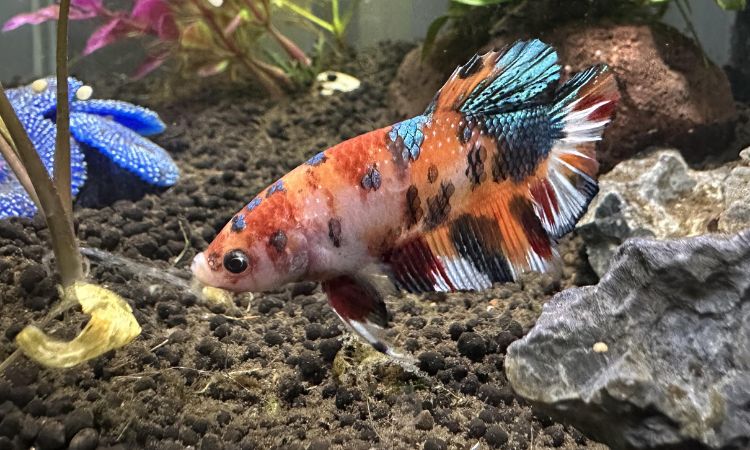
Tank Size Requirements
A single adult Koi Betta should be kept in a minimum 5-gallon aquarium. This size provides enough swimming space while offering better control over water quality compared to smaller containers. Larger water volumes are more stable, meaning temperature changes and waste buildup happen more slowly.
For the best long-term setup, a 10-gallon tank is strongly recommended. The extra space allows your Koi Betta to swim more naturally, provides room for plants and decorations, and makes maintaining stable water parameters much easier.
Although bettas are commonly sold in small bowls or cups, these setups are not ideal permanent homes. Limited water volume can quickly lead to rising ammonia levels, unstable temperatures, and increased stress, which may contribute to health issues such as fin damage and infections.
Water Parameters
Maintaining consistent water conditions is one of the most important parts of Koi Betta care. These fish are adaptable, but they do best when their aquarium closely matches the warm, slow-moving freshwater habitats where bettas naturally thrive.
Temperature: 78°F to 80°F (25°C to 27°C)
Koi Bettas are tropical fish and require warm water to stay active and healthy. Keeping the aquarium temperature between 78°F and 80°F (25°C–27°C) helps support their metabolism, digestion, immune system, and overall activity.
A reliable adjustable aquarium heater is recommended because room temperatures can fluctuate throughout the day. Sudden temperature drops may cause stress, reduced movement, loss of appetite, and increased susceptibility to disease.
Using a separate aquarium thermometer is also important to ensure the heater maintains a stable temperature rather than relying only on the heater’s built-in settings.
pH Level: 6.5 to 7.5
Koi Bettas prefer slightly acidic to neutral water, with a pH range of approximately 6.5 to 7.5. The most important factor is not achieving a specific number but maintaining stability.
Rapid pH changes can be harmful even when the reading remains within an acceptable range. Allowing the aquarium to fully cycle before adding your fish and performing regular water testing will help maintain a safer environment.
Water Hardness: 3 to 15 dGH
Koi Bettas generally do well in soft to moderately hard water. A general hardness level between 3 and 15 dGH provides suitable mineral content while keeping conditions comfortable.
Extremely hard water or very soft water can create unnecessary stress, so keeping hardness within a stable range is more important than making frequent adjustments.
Filtration and Water Flow
A good filtration system is essential for maintaining water quality, but Koi Bettas prefer gentle water movement rather than strong currents.
A sponge filter is one of the best options for a Koi Betta aquarium. It provides biological filtration by supporting beneficial bacteria that process fish waste while producing a soft flow that will not exhaust your betta.
Strong filters with powerful output can create excessive water movement, making swimming difficult and causing stress. This is especially important for bettas with larger fins, although even short-finned Koi Bettas such as Plakats benefit from calmer conditions.
If your filter creates too much current, you can reduce the flow rate, redirect the output, or add a sponge pre-filter to soften the movement.
Regular maintenance is still necessary even with filtration. Perform partial water changes, remove excess waste, and test water parameters regularly to keep the aquarium healthy.
Decor and Aquascaping
The ideal Koi Betta aquarium combines open swimming areas with sheltered spaces where the fish can rest and feel secure. Decorations should always prioritize safety because betta fins can be easily damaged by rough surfaces.
Live or Soft Silk Plants
Plants provide important benefits by creating hiding areas, reducing stress, and making the aquarium feel more natural. Suitable options include:
- Java fern
- Anubias
- Java moss
- Floating plants
If using artificial plants, choose soft silk varieties rather than plastic decorations with sharp edges that can tear fins.
Resting Areas and Betta Hammocks
Koi Bettas often rest near the surface because they possess a labyrinth organ that allows them to breathe atmospheric air. Adding resting spots near the top of the tank can make the aquarium more comfortable.
Betta hammocks, broad plant leaves, and floating plants provide convenient places for your fish to pause while still staying close to the surface.
Smooth Driftwood and Safe Decorations
Driftwood, caves, and smooth rocks can add structure to the aquarium while providing exploration opportunities. However, every decoration should be checked carefully for rough edges or sharp points.
Avoid decorations that can snag fins, as small tears can become entry points for bacterial infections such as fin rot.
Diet and Nutrition for Vibrant Colors
A proper diet is essential for maintaining a Koi Betta’s health, energy, and vivid coloration. As carnivorous fish, Koi Bettas require a protein-rich diet based on animal ingredients rather than plant-based foods.
Core Staple Foods
High-quality betta pellets should make up the main part of their diet. Choose pellets with high protein content and nutrient-rich ingredients such as insect meal, including black soldier fly larvae, which provide essential amino acids to support growth, immune function, and muscle development.
Avoid low-quality foods filled with unnecessary fillers, as they may not provide the nutrition needed to maintain strong colors and healthy fins.
Frozen and Live Supplements
Supplemental foods help add variety and support natural feeding behaviors. Offer treats such as:
- Bloodworms: Help provide protein and may enhance red and orange coloration.
- Brine shrimp: Support growth and provide easily digestible nutrients.
- Daphnia: Provide protein while helping support healthy digestion.
These foods can be offered 2 to 3 times per week alongside a quality pellet diet. Avoid overfeeding frozen or live foods, as excess can quickly affect water quality.
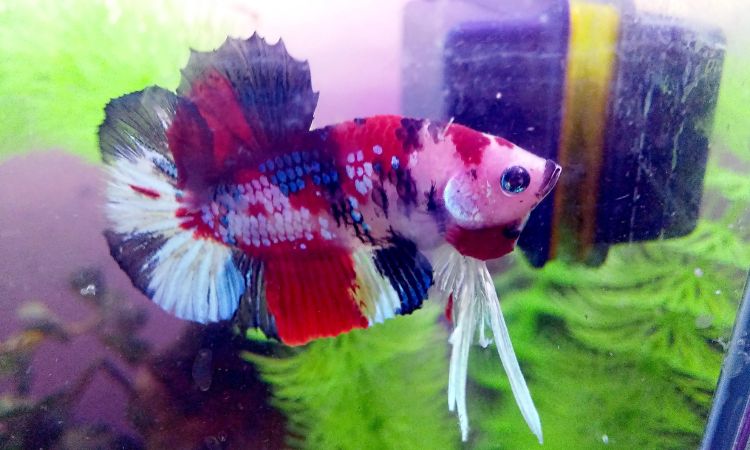
Feeding Schedule
Feed your Koi Betta 1 to 2 small meals daily, providing only what it can finish within about two minutes. Small portions help prevent obesity, constipation, and uneaten food buildup.
Remove leftover food after feeding to maintain clean water and reduce the risk of ammonia spikes. A consistent feeding routine combined with a varied, protein-rich diet will help your Koi Betta maintain vibrant colors and overall health.
Common Health Issues and Prevention
Koi Bettas are generally hardy fish, but they can still develop health problems when water quality declines, stress levels increase, or their environment is not properly maintained. Regular observation and consistent aquarium care are the best ways to catch issues early and keep your fish healthy.
Fin Rot
Fin rot is one of the most common problems affecting bettas. It is usually caused by bacterial infections that develop when water quality is poor, waste accumulates, or the fish experiences prolonged stress. Early signs include frayed edges, discoloration, thinning fins, or fins that appear to be shrinking over time.
The first step in treatment is improving the aquarium environment. Perform partial water changes, remove excess waste, and ensure ammonia and nitrite levels remain at zero. Indian almond leaves can also be used to create a more natural environment with mild antibacterial properties.
For advanced cases where fin deterioration continues, antibacterial medications designed for aquarium fish may be necessary. Maintaining clean, stable water is the most effective way to prevent fin rot from returning.
Ich (White Spot Disease)
Ich, also called white spot disease, is a parasitic infection that causes small white spots to appear on the fish’s body, fins, or gills. Infected Koi Bettas may rub against decorations, become less active, lose appetite, or breathe more rapidly.
Temperature fluctuations, especially sudden drops, can weaken a betta’s immune system and make ich more likely to occur. Treatment usually involves gradually increasing the water temperature within a safe range, improving water quality, and using appropriate ich medications or aquarium salt when suitable.
Because ich can spread quickly, early detection and prompt treatment are important. Any new fish should also be quarantined before being introduced into an established aquarium to reduce the risk of bringing parasites into the tank.
Dropsy
Dropsy is a serious condition often associated with internal organ problems, bacterial infections, or long-term stress. The most recognizable symptom is pineconing, where the fish’s scales begin sticking outward instead of lying flat against the body. Other signs may include swelling, lethargy, loss of appetite, and difficulty swimming.
Unlike external infections, dropsy is often difficult to treat once symptoms appear. The best approach is prevention through excellent aquarium maintenance, stable water parameters, and early attention to signs of illness.
Keeping ammonia and nitrite at zero, avoiding overfeeding, and providing a stress-free environment can significantly reduce the risk of serious health complications.
Preventative Maintenance
The best disease prevention strategy for Koi Bettas is maintaining excellent water quality. Perform 20% to 30% weekly water changes to remove waste and keep harmful compounds under control.
Always use a reliable water conditioner when adding tap water to remove chlorine and chloramines that can damage fish. Regularly test water parameters, clean the filter properly, and avoid sudden changes in temperature or water chemistry.
A clean, stable aquarium combined with a nutritious diet and careful observation will help your Koi Betta stay active, colorful, and healthy for years.