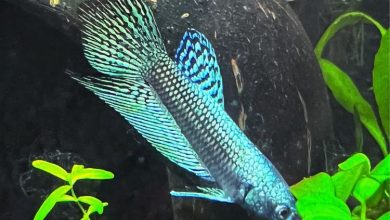
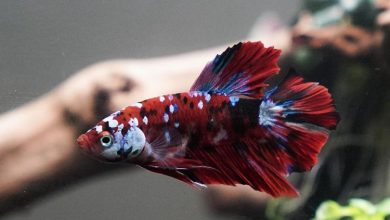
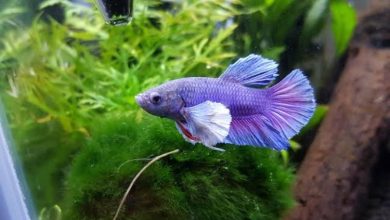
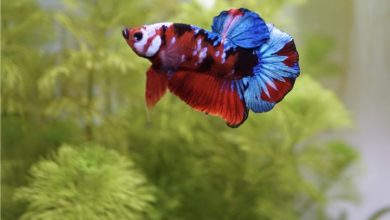
Dragon Scale Bettas are impossible to overlook. Their thick, metallic scales resemble polished armor, giving them a bold, almost mythical appearance that few freshwater fish can match. This extraordinary variety has become a favorite among Betta enthusiasts for its striking colors and unforgettable presence. In this Dragon Scale Betta fish care guide, you’ll learn everything you need to know about their lifespan, color varieties, temperament, feeding, tank requirements, and the special care they need to stay healthy for years to come.
What is a Dragon Scale Betta Fish
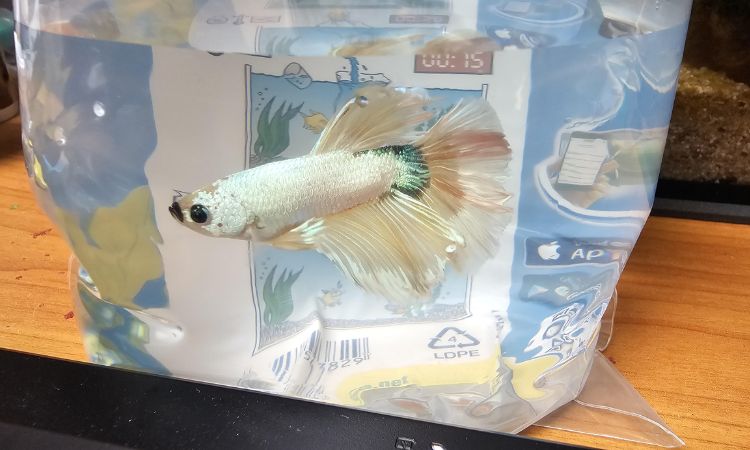
The Dragon Scale Betta is one of the most recognizable varieties of Betta splendens, admired for its thick, metallic scales that resemble overlapping dragon armor. Unlike naturally occurring wild Bettas, Dragon Scales are the result of selective breeding, combining dramatic appearance with the familiar personality that has made Bettas one of the world’s most popular aquarium fish. Their bold contrast, shimmering finish, and powerful build have made them a favorite among collectors and hobbyists looking for something beyond the typical Betta.
Origin and History
Dragon Scale Bettas first appeared in Thailand during the early 2000s, when breeders began experimenting with crosses between domesticated Betta splendens and wild metallic species, particularly Betta mahachaiensis. The goal was to produce fish with unusually thick, reflective scales while preserving the vibrant colors and manageable temperament of domestic Bettas.
One of the earliest and most influential Dragon Scale bloodlines was developed by Thai breeder Somkiat (Aquastar71), whose work helped establish the variety that later gained worldwide popularity. Through years of careful selective breeding, the metallic scaling became more consistent, eventually producing the signature “armored” appearance seen today. As the strain matured, breeders introduced additional color combinations and both short-fin and long-fin forms, though Plakat Dragon Scales remain especially popular because of their athletic appearance.
Physical Characteristics
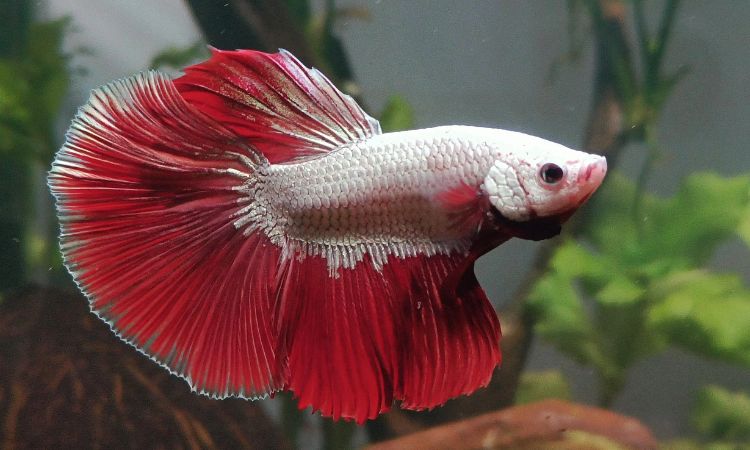
The defining feature of a Dragon Scale Betta is its exceptionally thick, opaque scales. Instead of the smooth finish seen on standard Bettas, these scales overlap to create a raised, armor-like texture that reflects light with an intense metallic sheen. Depending on the viewing angle, the scales may shimmer with silver, platinum, or pearlescent highlights, giving the fish a striking three-dimensional appearance.
Most Dragon Scale Bettas display a strong contrast between their metallic scales and the underlying body color. Common color varieties include:
- Red bodies with bright silver or white scales
- Black or dark charcoal bodies with contrasting metallic armor
- Copper and gold forms with warm reflective tones
- Orange and white varieties, which are less common and highly sought after
While Dragon Scale genetics have been incorporated into many fin types, they are most often seen in Plakat (short-fin) Bettas. Their compact fins allow for stronger swimming ability and reduce the drag associated with heavily ornamented long-fin varieties. The result is a fish that appears muscular, balanced, and highly agile while still showcasing its dramatic metallic scales.
One characteristic to be aware of is that extremely heavy scaling can continue developing throughout the fish’s life. In some individuals, scales gradually grow over the eyes—a condition commonly known as diamond eye—which can impair vision. Although not every Dragon Scale develops this issue, it is more common in fish with dense facial scaling.
Temperament
Despite their unique appearance, Dragon Scale Bettas behave much like other domestic Betta splendens. They are naturally territorial and should never be housed with another male Betta. When challenged, males readily flare their gill covers and fins to defend their space.
Outside of territorial displays, Dragon Scales are curious, intelligent fish that spend much of the day exploring their surroundings. They often investigate plants, driftwood, caves, and decorations, and many quickly learn to recognize their owner during feeding time. Their active nature makes them enjoyable to watch, particularly in well-planted aquariums with plenty of areas to explore.
Compatibility depends largely on the individual fish. Some Dragon Scale Bettas tolerate peaceful community species, while others may chase or harass tank mates. Slow-moving fish with long fins are generally poor companions because they can trigger aggressive behavior or become targets for fin nipping. For many keepers, a well-maintained species-only aquarium remains the safest and least stressful environment, allowing the Dragon Scale Betta to display its natural behaviors without competition or conflict.
Dragon Scale Betta Lifespan and Health Factors
Average Lifespan
A healthy Dragon Scale Betta typically lives 3 to 5 years, which is similar to most well-cared-for Betta splendens. Some individuals may exceed five years when provided with consistently warm, clean water, a nutritious diet, and a stable, low-stress environment. Genetics also play an important role, so purchasing from a reputable breeder that prioritizes healthy bloodlines can improve the chances of a longer lifespan.
Unlike many fish, Bettas are sensitive to long-term stress. Frequent temperature swings, poor water quality, or overcrowding can weaken their immune system and significantly shorten their life expectancy.
Common Health Challenges
Diamond Eye
The health issue most closely associated with Dragon Scale Bettas is Diamond Eye, a condition caused by excessive scale growth around the eyes. Because Dragon Scale Bettas produce unusually thick metallic scales, the tissue may continue expanding as the fish matures. In some individuals, these scales gradually cover part or all of one or both eyes, reducing vision and, in severe cases, causing complete blindness.
There is currently no reliable treatment to reverse Diamond Eye once the scales fully cover the eye. However, blind Dragon Scale Bettas can still enjoy a good quality of life when their environment remains consistent. Keeping decorations in the same locations, feeding in a designated spot, and avoiding unnecessary changes to the aquarium help visually impaired fish navigate with confidence.
While not every Dragon Scale Betta develops Diamond Eye, heavily armored individuals generally have a higher risk. Choosing fish from responsible breeders that avoid excessive scale development may reduce the likelihood of this inherited condition.
Susceptibility to Common Diseases
Dragon Scale Bettas are vulnerable to the same illnesses that affect other Bettas, including fin rot, Ich (white spot disease), velvet disease, bacterial infections, and swim bladder disorders. Poor water quality, stress, sudden temperature changes, and improper nutrition remain the most common triggers.
Their thick metallic scales can sometimes make early symptoms harder to notice. Tiny white Ich cysts, subtle skin irritation, or mild discoloration may be partially hidden beneath the reflective armor. For this reason, changes in behavior often provide the earliest warning signs. Reduced appetite, clamped fins, less activity, difficulty swimming, hiding more than usual, or decreased interaction with their surroundings should all prompt a closer inspection.
Regular observation is especially important because early treatment usually produces the best outcomes.
Preventative Care Tips
Preventing disease is far easier than treating it. Maintain stable water parameters, perform weekly partial water changes, and ensure the aquarium is fully cycled before introducing your Betta. A reliable heater, gentle filtration, and routine water testing help keep stress to a minimum.
Feed a balanced, high-protein diet consisting of quality Betta pellets supplemented with frozen or live foods such as brine shrimp, bloodworms, and daphnia. Avoid overfeeding, as excess food can contribute to digestive problems and poor water quality.
Ideal Tank Requirements for Dragon Scale Bettas
Tank Size
A 5-gallon aquarium is the minimum recommended size for a single Dragon Scale Betta, but a 10-gallon tank or larger provides a healthier, more stable environment. The extra water volume helps dilute waste, reduces sudden swings in water chemistry, and gives your Betta plenty of room to explore.
Male Dragon Scale Bettas should generally be housed alone because of their territorial nature. If you plan to keep compatible tank mates such as snails or peaceful bottom-dwelling fish, choose a larger aquarium with adequate swimming space and hiding places.
Water Parameters
Dragon Scale Bettas thrive in warm, clean freshwater with stable conditions. Aim for the following parameters:
- Temperature: 76–82°F (24–28°C)
- pH: 6.5–7.5
- Water hardness: Soft to moderately hard (approximately 3–12 dGH)
- Ammonia: 0 ppm
- Nitrite: 0 ppm
- Nitrate: Below 20 ppm
Maintaining stable water quality is far more important than chasing perfect numbers. Perform 25–30% weekly water changes, condition all new water, and use a reliable heater to prevent stressful temperature fluctuations.
Filtration and Flow
Dragon Scale Bettas prefer gentle water movement. Their long fins (in long-fin varieties) and naturally deliberate swimming style make strong currents both exhausting and stressful.
A sponge filter is one of the best choices because it provides excellent biological filtration with minimal flow. If using a hang-on-back or internal filter, adjust or baffle the output so the current remains gentle. The goal is to keep the water clean without constantly pushing the fish around the aquarium.
Always cycle the aquarium before introducing your Betta. A mature biological filter helps prevent dangerous ammonia and nitrite spikes that can quickly compromise the fish’s health.
Tank Decor and Aquascaping
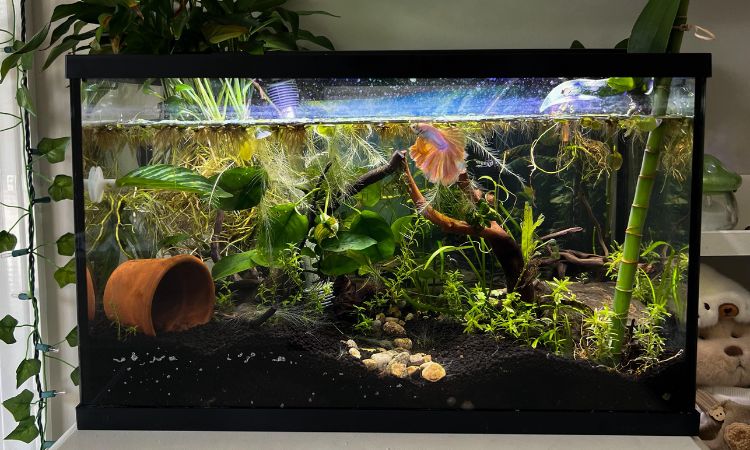
Dragon Scale Bettas appreciate a heavily planted aquarium that offers both security and opportunities to explore. Live plants such as Anubias, Java Fern, Java Moss, Amazon Sword, Water Sprite, and floating plants like Frogbit or Salvinia create shaded resting areas while improving overall water quality.
Include smooth driftwood, rounded rocks, caves, or other gentle hiding places where the fish can retreat when resting. Bettas also enjoy broad leaves near the surface, which provide convenient resting platforms between trips to breathe atmospheric air.
Avoid decorations with rough edges or sharp points, as these can tear delicate fins or damage the fish’s thick metallic scales. If your Dragon Scale Betta eventually develops reduced vision from Diamond Eye, keeping the aquascape consistent and free of hazards will make it much easier for the fish to navigate confidently throughout its life.
Feeding and Nutrition
Dietary Needs
Dragon Scale Bettas are strict carnivores that require a diet rich in animal protein to maintain healthy muscles, vibrant coloration, and strong immune function. In the wild, Bettas feed on insect larvae, small aquatic insects, and tiny crustaceans, so their captive diet should closely mimic these natural food sources.
A protein-rich menu also supports healthy fin growth and helps these active fish maintain their energy levels. Foods high in plant fillers should be offered sparingly, as Bettas are not adapted to digest large amounts of vegetable matter.
Best Foods
A premium Betta pellet or flake formulated specifically for carnivorous fish should serve as the foundation of their daily diet. Look for products that list whole fish, shrimp, krill, or insect meal among the first ingredients and contain at least 40% protein.
To provide nutritional variety and encourage natural feeding behavior, supplement their staple diet several times each week with high-quality live or frozen foods, including:
- Bloodworms for a protein-rich treat that most Bettas eagerly accept.
- Brine shrimp to support vibrant coloration and overall vitality.
- Daphnia, which provide natural fiber that promotes healthy digestion and helps reduce the risk of constipation.
Freeze-dried treats can also be offered occasionally, but they should be soaked before feeding to reduce the chance of digestive problems.
Feeding Schedule
Feed your Dragon Scale Betta once or twice per day, offering only as much food as it can finish within about two minutes. Small, consistent meals are easier to digest than a single large feeding and help maintain excellent water quality.
Overfeeding is one of the most common causes of obesity, constipation, swim bladder disorders, and deteriorating water conditions. Remove any uneaten food promptly to prevent excess waste from breaking down in the aquarium.
Many experienced keepers also schedule one fasting day each week. This simple practice gives the digestive system time to clear, helps prevent bloating, and can reduce the likelihood of digestive issues over the long term. A balanced feeding routine combined with clean water is one of the most effective ways to keep a Dragon Scale Betta healthy, active, and displaying its signature metallic armor-like scales at their best.
Tank Mates and Compatibility
Solitary Nature
Dragon Scale Bettas share the same territorial instincts as other Betta splendens varieties. Adult males are highly protective of their space and typically view other male Bettas as direct rivals. Housing two males together almost always leads to persistent aggression, torn fins, severe injuries, or death.
Even male and female Bettas should not live together permanently. They are only paired briefly for controlled breeding, after which they must be separated to prevent aggression. For most aquarists, a single male Dragon Scale Betta is happiest and safest in a species-focused aquarium.
Safe Tank Mates (10+ Gallons)
If you have a well-established aquarium of at least 10 gallons, some peaceful companions can coexist with a Dragon Scale Betta. Success depends on the individual fish’s personality, plenty of swimming space, and abundant hiding places.
Good options include:
- Corydoras catfish, which spend most of their time foraging along the substrate and rarely bother Bettas.
- Kuhli loaches, shy bottom dwellers that remain active mainly during the evening and avoid territorial conflicts.
- Nerite snails, which help clean algae without reproducing in freshwater and are generally ignored by Bettas.
- Ghost shrimp, although results vary. Some Dragon Scale Bettas peacefully coexist with them, while others may chase or eat them. Providing dense plants and hiding places improves their chances of survival.
Always monitor new introductions carefully, especially during the first few days. Every Betta has its own temperament, and some individuals simply prefer living alone.
What to Avoid
Avoid any species that may trigger aggression or place unnecessary stress on your Dragon Scale Betta.
Poor tank mate choices include:
- Tiger Barbs and other fin-nipping fish that may repeatedly attack the Betta’s flowing fins.
- Brightly colored or long-finned species, such as fancy guppies, that can resemble rival male Bettas and provoke territorial behavior.
- Other male Bettas, which should never share the same aquarium.
- Female Bettas in permanent community setups, as aggression can develop unexpectedly outside of breeding.
- Large, aggressive, or fast-swimming fish that may outcompete the Betta for food or intimidate it.
When choosing companions, prioritize peaceful species that occupy different areas of the aquarium and require similar warm, tropical water conditions. A calm community with plenty of plants, visual barriers, and open swimming space gives a Dragon Scale Betta the best chance of living comfortably alongside compatible tank mates.