The Dumbo Betta, also known as the Elephant Ear Betta, is a striking variety of Betta splendens recognized for its unusually large pectoral fins that resemble an elephant’s ears. These flowing fins give the fish a graceful, eye-catching appearance and make it one of the most popular betta varieties among aquarium keepers.
Beyond their unique looks, Dumbo Bettas share the same curious personality, vibrant colors, and territorial behavior as other betta fish. In this guide, we’ll explore their different types, care requirements, ideal tank setup, diet, health considerations, and everything you need to know to keep a Dumbo Betta healthy and thriving.
What is a Dumbo Betta Fish
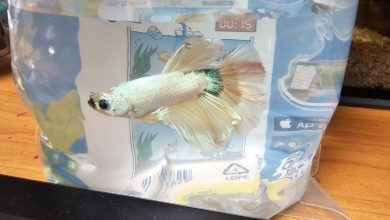
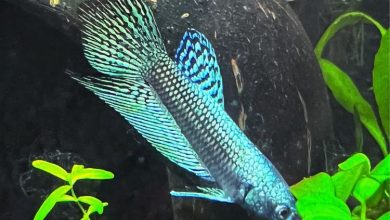
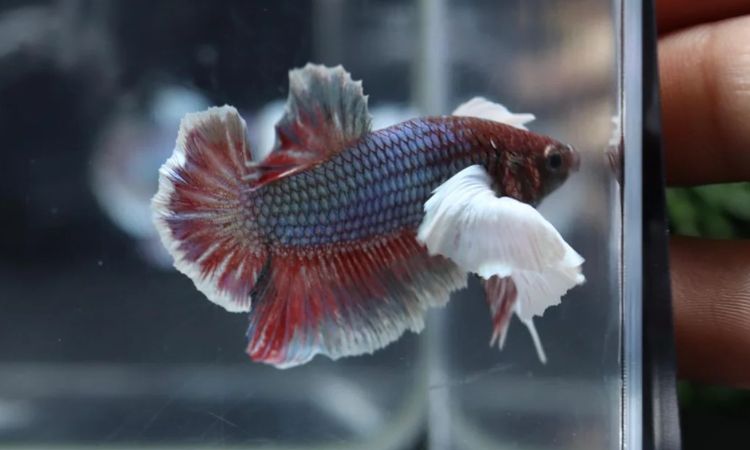
A Dumbo Betta fish, also called an Elephant Ear Betta, is a unique variety of Betta splendens known for its oversized pectoral fins that resemble the large ears of an elephant. These enlarged fins give the fish a graceful, wing-like appearance as it swims and make it one of the most recognizable betta varieties among aquarium hobbyists.
The Dumbo trait was developed through selective breeding, where breeders focused on enhancing the size and shape of the pectoral fins over multiple generations. Although their fins look dramatically different from standard bettas, Dumbo Bettas are not a separate species. They share the same origins, care requirements, and territorial behaviors as other domesticated Siamese fighting fish.
Like all Betta splendens, Dumbo Bettas trace their ancestry to the shallow freshwater environments of Southeast Asia, including Thailand, Cambodia, and Vietnam. In their natural habitat, wild bettas live in slow-moving streams, rice fields, and ponds filled with vegetation. Modern Dumbo Bettas have been carefully bred for their striking appearance, combining the species’ natural charm with a distinctive ornamental feature.
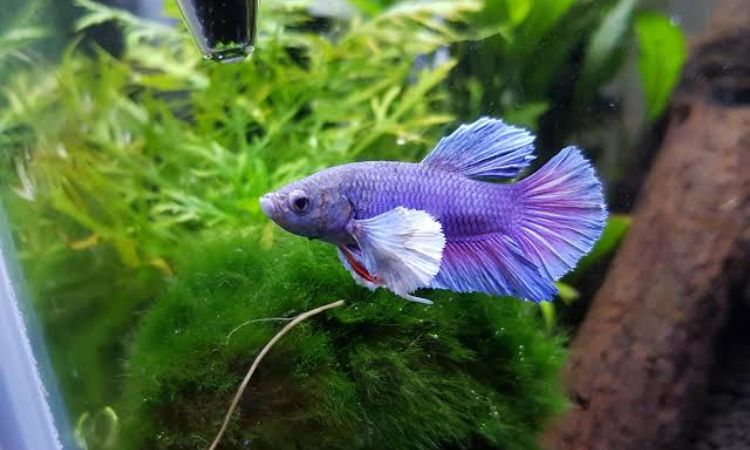
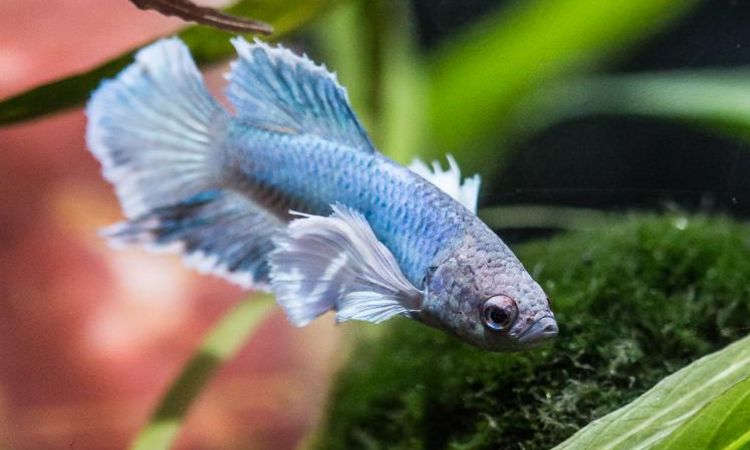
The enlarged pectoral fins are the defining characteristic of this variety. While regular bettas use small pectoral fins mainly for balance and movement, Dumbo Bettas have much larger fins that contribute to their elegant swimming style. These broad fins may make their movements appear slower and more delicate compared with short-finned Plakat Bettas, but healthy Dumbo Bettas can still swim actively and explore their environment.
Dumbo Bettas are available in many colors and patterns, including blue, red, purple, white, metallic, koi, galaxy, and fancy combinations. They can also be bred with different tail types, such as Halfmoon, Plakat, and Crowntail, creating even more variety within the Dumbo category.
Although their appearance is delicate, Dumbo Bettas have the same bold personality as other bettas. Males are territorial and should generally be kept alone to prevent aggression, but they can also be curious, intelligent, and interactive with their owners. Many aquarium keepers enjoy watching them recognize feeding routines, explore decorations, and display their impressive fins.
Popular Dumbo Betta Types and Variations
One of the most exciting aspects of Dumbo Bettas is the incredible variety available to aquarium keepers. The Elephant Ear trait can be combined with different tail shapes, body structures, and color patterns, creating fish with completely unique appearances. Whether you prefer a dramatic show-quality display fish or a compact, energetic swimmer, there is likely a Dumbo Betta variety that matches your style.
Dumbo Halfmoon Betta
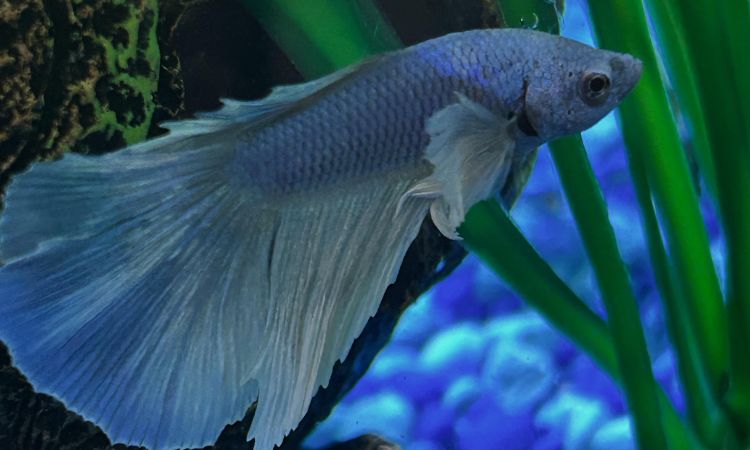
The Dumbo Halfmoon Betta is one of the most sought-after combinations in the betta hobby. It combines the elegant, wide tail spread of a Halfmoon Betta with the oversized pectoral fins that define the Dumbo variety.
When fully flared, a high-quality Halfmoon Betta can display a caudal fin spread close to 180 degrees, creating a broad, semicircular shape. Paired with large Elephant Ear fins on the sides, this gives the fish a dramatic, almost flowing appearance as it moves through the aquarium.
Dumbo Halfmoons are especially popular among collectors because they showcase both major ornamental traits: impressive tail symmetry and oversized pectoral fins. They are commonly available in colors such as lavender, gold, platinum, butterfly, koi, and metallic shades.
Because of their larger fins, Dumbo Halfmoons benefit from calm water movement and carefully chosen decorations. Smooth plants, soft surfaces, and gentle filtration help prevent fin damage while allowing their impressive finnage to remain in excellent condition.
Dumbo Plakat Betta
The Dumbo Plakat Betta combines the powerful body structure of a short-finned Plakat with the enlarged pectoral fins of an Elephant Ear Betta. This combination creates a fish that looks both elegant and athletic.
Unlike long-finned varieties, Plakats have a compact, muscular body and shorter tail fins, giving them stronger swimming ability and greater agility. Their shorter fins are less likely to become damaged, making them a practical choice for keepers who enjoy a more active betta.
Dumbo Plakats often display more energetic behavior than long-finned varieties. They may spend more time exploring their surroundings, swimming actively around the tank, and interacting with their environment.
Their unique appearance comes from the contrast between their sturdy body shape and oversized pectoral fins. This makes them especially appealing to hobbyists who want the beauty of a Dumbo Betta combined with the strength and movement of a Plakat.
Dumbo Crowntail Betta
The Dumbo Crowntail Betta is a less common and highly distinctive variation that combines two unusual fin traits: the extended fin rays of the Crowntail and the enlarged pectoral fins of the Dumbo.
Crowntail Bettas are recognized by their spiky tail appearance, created by reduced webbing between the fin rays. When combined with Elephant Ear fins, the result is a striking fish with a dramatic silhouette.
Because producing consistent Crowntail Dumbo traits can be challenging, high-quality specimens are less common compared with Dumbo Halfmoons or Dumbo Plakats. Their unusual combination of pointed tail rays and oversized pectoral fins makes them a favorite among collectors searching for rare betta varieties.
As with other fancy bettas, careful tank design is important. Sharp decorations should be avoided because extended fin rays and large pectoral fins can be vulnerable to tearing.
Popular Dumbo Betta Color Morphs
Beyond fin shape, color genetics play a major role in the appeal of Dumbo Bettas. Breeders have developed an impressive range of colors and patterns, from simple solid shades to complex multi-color designs.
Dragon Scale Dumbo Betta
Dragon Scale Dumbo Bettas are known for their thick, metallic-looking scales that create an armored appearance. Their scales often reflect light strongly, giving the body a bright, textured look.
Common colors include white, blue, red, and metallic combinations. The contrast between shimmering scales and large Elephant Ear fins creates a dramatic display fish.
Metallic Copper Dumbo Betta
Metallic copper Dumbo Bettas have a reflective appearance caused by enhanced metallic coloration. Their bodies may appear bronze, gold, copper, or silver depending on lighting conditions.
These fish are especially popular among collectors because their shimmering appearance can change as they move through the aquarium.
Solid Pastel Dumbo Betta
Pastel Dumbo Bettas feature soft, lighter colors such as:
- Lavender
- White
- Pink
- Pale blue
- Yellow
Their gentle colors combined with flowing fins create an elegant and peaceful appearance, making them popular choices for display aquariums.
Koi and Fancy Dumbo Betta
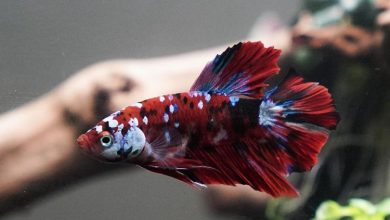
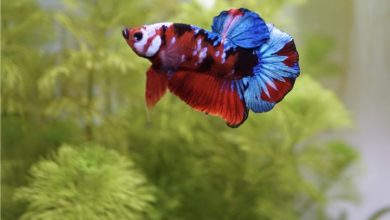
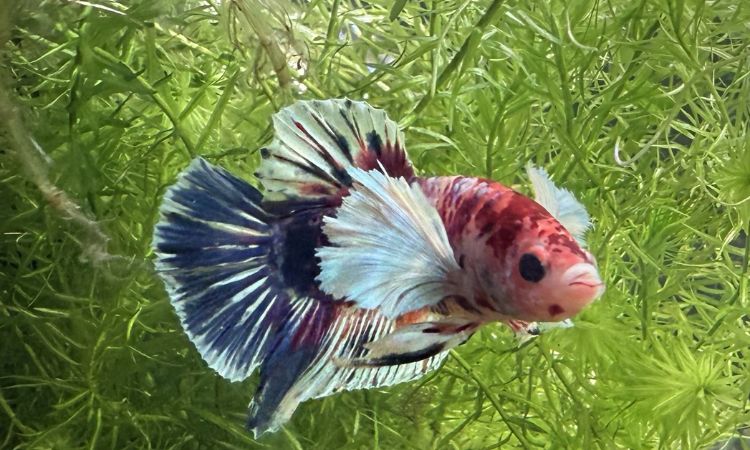
Koi Dumbo Bettas are inspired by the patterns of koi fish, featuring combinations of white, orange, red, black, and yellow patches. Because their patterns can vary significantly between individuals, every fish has a unique appearance.
Fancy Dumbo Bettas often include multiple colors blended together, such as galaxy patterns, butterfly markings, marble designs, and Nemo-style combinations. These varieties are highly valued because no two fish look exactly alike.
Cellophane Dumbo Betta
Cellophane Dumbo Bettas have a nearly transparent body with little to no pigmentation. Their clear fins and pale appearance create a delicate, almost glass-like look.
While less colorful than some other varieties, cellophane Bettas are admired for their unusual simplicity and rarity.
Dumbo Betta Tank Setup and Water Requirements
Creating the right environment is one of the most important parts of Dumbo Betta care. Although these fish are hardy and adaptable, their oversized pectoral fins require a little extra consideration when designing their aquarium. A proper setup should provide clean water, gentle movement, comfortable swimming space, and plenty of areas where your betta can rest and feel secure.
Minimum Tank Size
A 5-gallon aquarium is the recommended minimum size for a single Dumbo Betta, while a 10-gallon tank is often the better choice for long-term care. Larger tanks provide more stable water conditions, give your betta more room to explore, and make it easier to maintain consistent temperature and water quality.
Small bowls and decorative containers are not suitable for Dumbo Bettas. While bettas can survive in limited spaces for short periods, these environments quickly accumulate waste and provide little room for natural behaviors such as swimming, exploring, and resting.
A properly sized aquarium also benefits Dumbo Bettas because their large pectoral fins and flowing tails require enough open space to move comfortably without constantly brushing against decorations.
Filtration and Water Flow
Dumbo Bettas need clean, well-maintained water, but they do not handle strong currents well. Their enlarged fins create extra resistance while swimming, so powerful water flow can cause stress and make it difficult for them to move naturally.
A gentle filtration system is ideal, such as:
- Sponge filters
- Low-flow internal filters
- Adjustable hang-on-back filters set to a gentle output
The goal is to maintain good oxygenation and remove waste without creating a strong current throughout the aquarium. If using a stronger filter, adding a pre-filter sponge or adjusting the flow direction can help create a calmer environment.
Regular maintenance is equally important. Performing weekly water changes of around 20–30% helps prevent harmful buildup of ammonia and nitrates while keeping the aquarium stable.
Water Parameters
Dumbo Bettas thrive in warm, clean freshwater that closely resembles the slow-moving tropical environments where Betta splendens naturally occurs. Stable conditions are more important than chasing exact numbers, so avoid sudden changes in temperature or chemistry.
Recommended water parameters:
Temperature: 76–82°F (24–28°C)
pH Level: 6.5–7.5
Water Hardness: 5–20 dGH (soft to moderately hard water)
A reliable aquarium heater is essential because Dumbo Bettas are tropical fish. Keeping the temperature consistent helps support their metabolism, immune system, and overall activity level.
For pH, slightly acidic to neutral water is generally ideal. Extremely low or high pH levels can cause stress and make fish more vulnerable to illness.
Water hardness should remain within a moderate range. While Dumbo Bettas can adapt to different mineral levels, sudden fluctuations should be avoided.
Decor and Substrate
A well-designed aquarium should provide both swimming space and areas where your Dumbo Betta can hide and rest. Since their large fins are delicate, every decoration should be checked for sharp edges that could cause tearing.
Good substrate options include:
- Fine sand
- Smooth gravel
- Dark-colored aquarium substrate
- Bare-bottom setups for easier cleaning
Dark substrates can help enhance the bright colors of Dumbo Bettas while creating a more natural-looking environment.
For decorations, choose smooth and betta-safe materials such as:
- Driftwood
- Rounded river rocks
- Ceramic caves
- Betta hides
- Natural ornaments without rough edges
Live plants are especially beneficial because they provide shelter, improve water quality, and help reduce stress. Excellent plant choices for Dumbo Bettas include:
- Anubias
- Java Fern
- Java Moss
- Amazon Sword
- Amazon Frogbit
- Red Root Floaters
Floating plants are particularly useful because they create shaded areas near the surface, where bettas often spend time. They also provide a comfortable place for males to build bubble nests.
Health, Common Diseases, and Fin Care
Dumbo Bettas are generally hardy fish when kept in stable conditions, but their enlarged pectoral fins require extra attention. These dramatic “elephant ear” fins are the feature that makes them unique, yet their increased size can also make them more vulnerable to tears, injuries, and infections. Maintaining excellent water quality, providing a safe aquascape, and monitoring your fish’s behavior are the best ways to prevent health problems before they become serious.
Fin Rot
Fin rot is one of the most common health issues affecting Dumbo Bettas and is usually linked to poor water quality, elevated ammonia or nitrite levels, stress, or injuries that allow bacteria to attack damaged tissue. Because Dumbo Bettas have larger-than-normal pectoral fins, even small tears caused by rough decorations or sharp surfaces can become entry points for infection.
Early signs of fin rot include ragged fin edges, discoloration, thinning tissue, or fins that appear to shrink over time. A healthy Dumbo Betta should have smooth, intact fins, while infected fins may develop blackened edges, milky areas, or a deteriorating appearance.
The first step in treatment is improving the aquarium environment. Test the water parameters, remove waste buildup, and perform partial water changes to reduce harmful compounds. Keeping the tank clean allows the fish’s immune system to fight the infection more effectively. In more advanced cases, aquarium medications designed for bacterial infections may be necessary. During treatment, avoid unnecessary handling and keep stress levels as low as possible.
Ich (White Spot Disease)
Ich, also called white spot disease, is a common parasitic infection that can affect Dumbo Bettas, especially after stressful events such as poor water conditions, sudden temperature changes, or introducing unquarantined fish or plants into the aquarium.
The most recognizable symptom is the appearance of tiny white spots that look like grains of salt on the body and fins. Infected fish may also scratch themselves against decorations, clamp their fins, lose appetite, or become less active than usual.
Treatment typically involves gradually raising the aquarium temperature within a safe range for Bettas to help speed up the parasite’s life cycle, combined with an appropriate ich medication if needed. Maintaining stable water quality throughout treatment is essential because stressed fish are less capable of recovering. Any new fish, plants, or equipment should be quarantined whenever possible to reduce the risk of introducing parasites into an established tank.
Swim Bladder Disorder
Swim bladder disorder can cause Dumbo Bettas to struggle with maintaining normal balance in the water. Affected fish may float uncontrollably, sink to the bottom, swim sideways, or have difficulty reaching the surface for air. Since Bettas rely on their labyrinth organ to breathe atmospheric oxygen, prolonged buoyancy issues can become stressful.
One of the most common causes is overfeeding, which can lead to constipation and pressure on the swim bladder. Feeding too much food at once, especially low-quality foods that are difficult to digest, increases the risk of digestive problems.
A simple first step is fasting the fish for 24 hours to allow its digestive system to clear. After fasting, offer small portions of easily digestible foods such as daphnia. Moving forward, maintain a controlled feeding routine and avoid giving excessive amounts of food. Feeding small meals and providing occasional fasting days can help prevent recurring digestive issues.
Dumbo Betta Fish Price Breakdown (2026)
| Dumbo Betta Category | Typical Price Range | Description |
| Standard Dumbo Betta (Pet Quality) | $15 – $40 | Common Dumbo Bettas sold through local fish stores or general online sellers. Available in popular colors like red, blue, white, and mixed patterns. Suitable for beginner aquarists. |
| Premium Dumbo Betta | $40 – $100 | Higher-quality fish with better fin development, stronger colors, cleaner body shape, and more desirable patterns from specialized breeders. |
| Dumbo Halfmoon Betta | $60 – $150 | Features a wide 180-degree tail spread combined with oversized Dumbo pectoral fins. Valued for balanced finnage and elegant appearance. |
| Dumbo Plakat Betta | $50 – $120 | Short-finned variety with a compact body, strong swimming ability, and a more active appearance. Often preferred by hobbyists who want a hardier show-style Betta. |
| Dumbo Crowntail Betta | $80 – $150+ | Less common variety combining Dumbo pectoral fins with the distinctive spiky Crowntail pattern. Rare examples can command higher prices. |
| Rare Color Dumbo Betta | $100 – $250+ | Includes unusual color morphs such as Galaxy Koi, Avatar, Platinum, Metallic Copper, Fancy, and rare Butterfly patterns. |
| Imported Thai Dumbo Betta | $100 – $300+ | Premium fish from established Thai breeders with carefully developed genetics, large fins, and exceptional coloration. |
| Competition-Grade Dumbo Betta | $200 – $500+ | Top-quality specimens selected for shows based on perfect symmetry, impressive finnage, rare colors, and superior body structure. |
Example Dumbo Betta Price by Color & Quality
| Type | Approximate Price |
| Dumbo Red Betta | $20 – $60 |
| Dumbo Blue Betta | $25 – $70 |
| Dumbo White Betta | $30 – $80 |
| Dumbo Gold Betta | $40 – $100 |
| Dumbo Butterfly Betta | $50 – $150 |
| Dumbo Lavender Betta | $50 – $150 |
| Dumbo Pineapple Betta | $50 – $150 |
| Dumbo Koi Betta | $80 – $200 |
| Dumbo Galaxy Koi Betta | $100 – $250+ |
| Dumbo Platinum Betta | $100 – $300 |
| Competition Dumbo Multicolor Betta | $200 – $500+ |
Price Range by Buyer Type
| Buyer | Recommended Price Range | Best Choice |
| Beginner Betta Keeper | $20 – $50 | Healthy standard Dumbo Betta with good coloration |
| Hobbyist Looking for Unique Colors | $50 – $150 | Premium Dumbo Halfmoon or rare color morph |
| Experienced Collector | $150 – $300 | Imported Thai Dumbo with exceptional genetics |
| Breeder or Show Competitor | $300+ | Competition-grade Dumbo Betta with proven lineage |
Prices can vary depending on breeder reputation, availability, shipping costs, and the fish’s individual quality. A well-cared-for $40 Dumbo Betta can be just as rewarding as a $300 show specimen—the most important factor is choosing a healthy fish with strong activity, clear eyes, intact fins, and a good appetite.