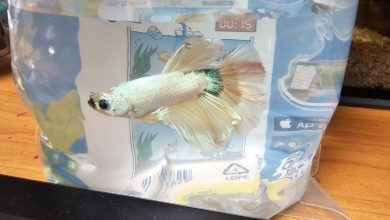
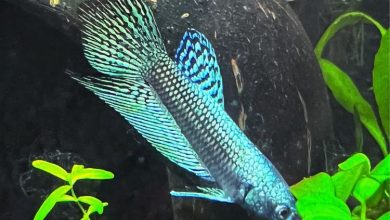
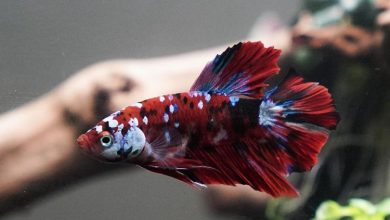
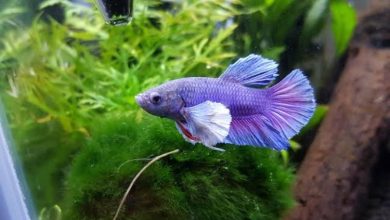
With their elegant flowing fins, vibrant colors, and curious personalities, Veiltail Betta Fish (Betta splendens) remain one of the most beloved freshwater aquarium fish among beginners and experienced hobbyists alike. Their signature tail, which gracefully drapes behind them like a delicate veil, gives this betta variety its name and makes it one of the most recognizable types of Siamese fighting fish.
Although Veiltail Bettas are widely available and often considered beginner-friendly, they still require proper care to truly thrive. A healthy Veiltail Betta needs more than a small container or decorative bowl—it depends on clean, warm water, a suitable aquarium setup, a nutritious high-protein diet, and a stress-free environment that allows it to display its natural behaviors.
You’ll learn everything you need to know about keeping these beautiful fish healthy and active, including ideal tank conditions, feeding recommendations, lifespan expectations, compatible tank mates, common health concerns, and essential tips for creating the perfect home for your betta.
Understanding the Veiltail Betta
The Veiltail Betta is a domestic variety of Betta splendens, commonly known as the Siamese fighting fish. Like other bettas, this variety traces its origins to Southeast Asia, particularly regions such as Thailand, Cambodia, Vietnam, and Indonesia, where wild bettas inhabit shallow, slow-moving waters. Their natural environments include rice paddies, marshes, ponds, canals, and small streams with warm temperatures, dense vegetation, and areas of calm water.
Wild Betta splendens are quite different from the colorful aquarium varieties seen today. Through generations of selective breeding, hobbyists have developed bettas with enhanced colors, larger fins, and unique tail shapes. The Veiltail is one of the earliest and most recognizable domestic tail types, becoming popular because of its graceful appearance and relatively easy breeding characteristics.
Although modern Veiltail Bettas are bred in captivity, they still retain many traits from their wild ancestors. They are labyrinth fish, meaning they have a specialized organ that allows them to breathe atmospheric air from the water’s surface. This adaptation helps them survive in oxygen-limited environments, but it does not mean they can thrive in poor-quality water. A clean, heated, and properly maintained aquarium is still essential for their long-term health.
Distinctive Physical Traits Including the Elongated, Draping Caudal Fin
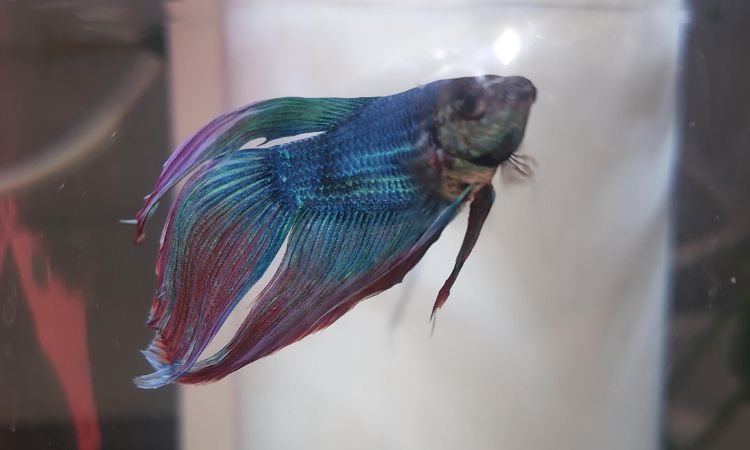
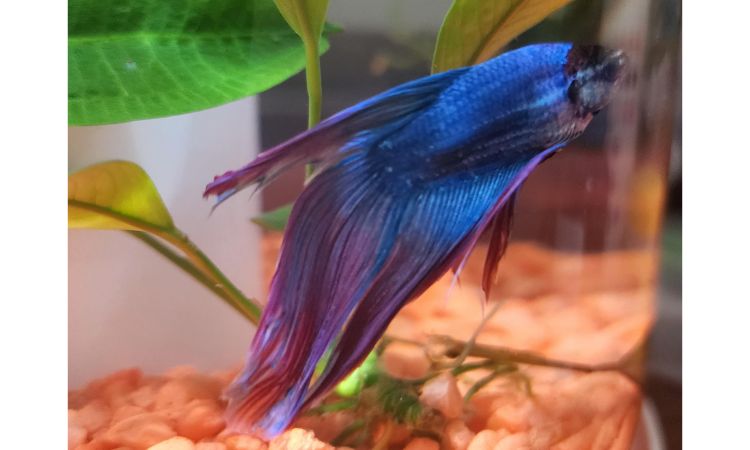
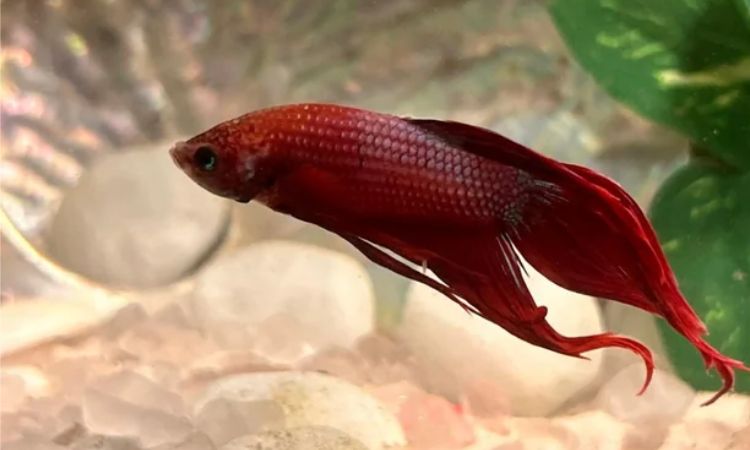
The most defining feature of the Veiltail Betta is its long, flowing caudal fin that extends behind the body and gently curves downward, creating the appearance of a trailing veil. This elegant tail shape is where the variety gets its name and is the reason Veiltails remain one of the most recognizable bettas among aquarium keepers.
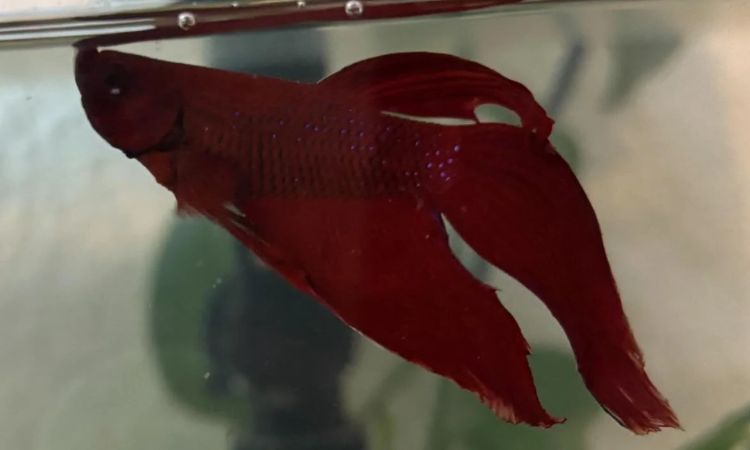
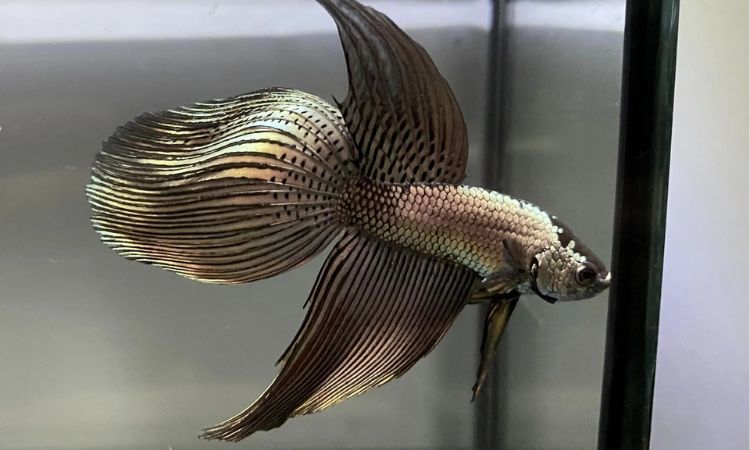
Male Veiltail Bettas are especially admired for their impressive finnage. They typically develop larger, more colorful fins compared with females, with shades ranging from vibrant reds and blues to metallic greens, purples, yellows, blacks, and multi-colored patterns. Their flowing fins and bright coloration make them a striking centerpiece fish for freshwater aquariums.
Unlike some newer fancy betta varieties developed for extreme fin shapes, the Veiltail’s appearance focuses on a naturally graceful, elongated tail rather than complex branching patterns. However, those long fins require careful care. Sharp decorations, strong water currents, and poor water quality can easily damage the delicate tail edges, making a gentle aquarium setup especially important.
Temperament Overview Regarding Territorial Behavior and Male Aggression
Despite their beautiful appearance, Veiltail Bettas are still true bettas with strong personalities. Males are naturally territorial and prefer to establish their own space. When another male betta enters their territory, they may display aggressive behaviors such as flaring their gills, spreading their fins, and attempting to drive the other fish away.
For this reason, two male Veiltail Bettas should never be kept together in the same aquarium. Their territorial instincts can lead to serious fights and injuries. Male bettas may also react aggressively toward fish with similar long fins or bright colors, as they may mistake them for rivals.
That said, Veiltail Bettas are often interactive and rewarding pets. Many owners notice their betta swimming toward the front of the tank when they approach, especially during feeding time. With the right environment, a male Veiltail Betta can become an active and curious aquarium companion.
When choosing tank mates, peaceful species that do not nip fins or compete aggressively for territory are usually the safest options. A well-planned aquarium with plenty of hiding areas, gentle water movement, and stable conditions allows the Veiltail Betta’s personality and beauty to truly shine.
Essential Tank Setup for a Thriving Veiltail
Creating the right aquarium environment is one of the most important steps in keeping a healthy Veiltail Betta. Although these fish are often considered hardy and beginner-friendly, they still need stable water conditions, enough swimming space, and a comfortable habitat that protects their delicate flowing fins. A properly designed tank allows your Veiltail to display natural behaviors, stay active, and maintain its beautiful tail without unnecessary stress.
Minimum Tank Size Requirements for Adequate Swimming Space
Despite their small size, Veiltail Bettas should not be kept in tiny bowls or decorative containers. These setups often lead to unstable water quality, temperature fluctuations, and limited space for movement. A cramped environment can increase stress and make it harder to maintain healthy conditions.
A minimum tank size of 5 gallons is recommended for a single Veiltail Betta because it provides enough room for swimming while making water parameters easier to maintain. Larger aquariums, such as 10-gallon setups, are even better because they offer more stable conditions and allow for additional plants, hiding areas, and carefully selected tank mates.
Veiltail Bettas are active and curious fish. They enjoy exploring their surroundings, swimming through plants, and resting near the water surface. Providing extra space helps prevent boredom and gives their long fins enough room to move naturally without constantly brushing against decorations.
Filtration Systems With Gentle Water Flow to Protect Delicate Fins
A quality filtration system is essential for maintaining clean and healthy water, but Veiltail Bettas need gentle circulation. Their long, flowing fins make them weaker swimmers compared with short-finned varieties, and strong currents can cause stress or make it difficult for them to move comfortably around the tank.
A sponge filter or adjustable low-flow filter is often a good choice because it provides biological filtration while creating minimal water movement. If your filter produces a strong current, adding a flow control valve, sponge attachment, or placing decorations strategically can help reduce turbulence.
Regular maintenance is also important. Perform consistent partial water changes, remove uneaten food, and monitor ammonia, nitrite, and nitrate levels to prevent poor water quality. Clean water is especially important for Veiltails because their large fins are more vulnerable to damage, fin rot, and infections when conditions decline.
Water Heater and Thermometer Maintenance for Tropical Temperature Stability
Veiltail Bettas are tropical fish that require warm, stable temperatures to remain healthy and active. The ideal water temperature range is around 75–82°F (24–28°C), with many keepers aiming for approximately 78–80°F (25–27°C) for everyday care.
A reliable aquarium heater is necessary because room temperatures can fluctuate, especially overnight or during colder months. Sudden temperature changes can weaken a betta’s immune system and increase the risk of illness.
Always pair the heater with an aquarium thermometer to monitor conditions regularly. Choose a heater appropriately sized for your tank volume and ensure it is fully submerged according to the manufacturer’s instructions. Stable warmth encourages normal activity, healthy digestion, and stronger resistance to common diseases.
Substrate and Decor Choices Featuring Live Plants and Smooth Edges to Prevent Fin Tears
The inside of your Veiltail Betta’s aquarium should be designed with both beauty and safety in mind. Because their long fins can easily snag or tear, avoid sharp rocks, rough decorations, or plastic ornaments with jagged edges.
Smooth gravel, sand, or other aquarium-safe substrates are suitable choices. These materials provide a natural foundation while allowing beneficial bacteria to establish within the tank.
Plants are highly recommended because they create a more natural environment and provide places for your betta to explore, hide, and rest. Live plants such as Java fern, Anubias, and Java moss are excellent beginner-friendly options because they are hardy and do not require complicated care. Floating plants can also help diffuse bright lighting and create shaded areas near the surface where Veiltails often like to relax.
If you choose artificial plants, soft silk plants are safer than rigid plastic versions. Decorations such as betta hammocks, caves, and smooth ornaments can provide additional enrichment, but always check that every item is free from sharp edges before adding it to the aquarium.
A thoughtfully prepared tank does more than improve appearance—it creates a safe, stable home where your Veiltail Betta can thrive for years. With enough space, clean water, gentle filtration, warm temperatures, and fin-friendly decorations, this elegant fish can truly show off its graceful personality and stunning appearance.
Water Parameters and Quality Management
Maintaining excellent water quality is one of the most important parts of Veiltail Betta care. These fish may be hardy compared with some other ornamental species, but they still depend on stable water conditions to maintain strong immunity, vibrant colors, healthy fins, and normal activity levels.
A clean, stable aquarium helps prevent many common problems, including fin rot, stress-related illnesses, and reduced appetite. Instead of focusing only on keeping the water looking clear, successful betta keepers monitor the invisible factors that affect fish health, such as temperature, ammonia, nitrite, and nitrate levels.
Optimal Temperature Range and pH Levels
Veiltail Bettas are tropical freshwater fish that require warm, consistent water. The ideal temperature range is approximately 76–82°F (24–28°C), with many aquarists maintaining their tanks around 78°F (26°C) for a comfortable balance between activity and long-term health.
A stable temperature is more important than chasing an exact number. Sudden temperature changes can stress a Veiltail Betta and weaken its natural defenses. Without a heater, aquarium temperatures often fluctuate throughout the day, especially in cooler homes or rooms with air conditioning.
A reliable setup should include:
- An adjustable aquarium heater suitable for the tank size
- A separate thermometer to verify actual water temperature
- Regular checks to ensure the heater is working properly
Veiltail Bettas can tolerate a slightly wider pH range than some sensitive fish species, but they generally do best in water with a pH between 6.5 and 7.5. Stability matters more than achieving a perfect number. Rapid pH swings can cause unnecessary stress, even if the final reading falls within the acceptable range.
Other important water parameters include:
- Ammonia: 0 ppm
- Nitrite: 0 ppm
- Nitrate: ideally below 20 ppm
Ammonia and nitrite are especially dangerous because even low levels can damage a betta’s gills, skin, and overall health.
The Nitrogen Cycle and Why Tank Cycling Matters
Before bringing a Veiltail Betta home, it is important to understand the nitrogen cycle. This natural biological process allows beneficial bacteria to break down toxic fish waste and maintain a safer aquarium environment.
Fish waste, uneaten food, and decaying plant material produce ammonia, which is highly toxic to fish. In a mature aquarium, beneficial bacteria convert ammonia into nitrite, another harmful compound. A second group of bacteria then converts nitrite into nitrate, which is much less dangerous and can be controlled through regular water changes.
A properly cycled aquarium contains enough beneficial bacteria to process the waste produced by your betta.
A typical cycling process involves:
- Setting up the aquarium with a filter, heater, and substrate.
- Allowing beneficial bacteria colonies to establish.
- Testing water regularly for ammonia, nitrite, and nitrate.
- Adding the fish only after ammonia and nitrite consistently remain at zero.
Adding a Veiltail Betta to an uncycled tank can expose it to harmful ammonia and nitrite spikes, often leading to stress, illness, or early death. Although some fish survive these conditions, they may experience long-term damage that affects their lifespan.
A fully established aquarium provides a much safer foundation and makes routine maintenance much easier.
Routine Water Changes and Safe Conditioning Practices
Even a cycled aquarium requires regular maintenance. Over time, nitrate and organic waste accumulate, so partial water changes are necessary to keep the environment healthy.
For most Veiltail Betta tanks:
- Perform a 20–30% water change weekly
- Test water parameters regularly, especially in newer aquariums
- Remove uneaten food and visible waste during maintenance
Avoid replacing all of the aquarium water at once unless there is an emergency. Large, sudden changes can disrupt water chemistry and remove beneficial bacteria from the environment.
When adding fresh water, always use a quality water conditioner. Tap water often contains chlorine or chloramine, which are harmful to fish and can damage beneficial bacteria in the aquarium.
Safe water change practices include:
- Treating new tap water with a dechlorinator before adding it to the tank
- Matching the new water temperature to the aquarium temperature
- Adding water slowly to reduce stress
- Avoiding soap or household cleaning products near aquarium equipment
It is also important to maintain filter media correctly. Avoid replacing all filter materials at once because this can remove large amounts of beneficial bacteria and destabilize the aquarium cycle. Instead, gently rinse reusable filter media in removed tank water when needed.
Proper Diet and Feeding Guidelines
Veiltail Bettas are carnivorous fish that require a protein-rich diet to stay healthy, active, and colorful. In the wild, they feed on insects, larvae, and small aquatic invertebrates, so their aquarium diet should focus on animal-based ingredients rather than plant matter.
Nutritional Requirements for a Carnivorous Diet
A Veiltail Betta’s diet should be high in quality protein to support:
- Muscle development
- Strong immune function
- Healthy fin growth
- Vibrant coloration
Avoid foods designed mainly for herbivorous or general tropical fish, as they may not provide the protein levels bettas need.
High-Quality Commercial Foods
A high-quality betta pellet should be the main part of their diet. Choose products that:
- Are specifically made for bettas
- Contain high levels of animal protein
- Are small enough for easy feeding
- Float on the water surface
Floating pellets work well because bettas naturally feed near the surface. Flakes can be used occasionally, but pellets are usually easier to portion and create less waste.
Live and Frozen Treats
To add variety, offer protein-rich treats a few times per week, such as:
- Frozen bloodworms
- Brine shrimp
- Daphnia
- Other small aquatic invertebrates
These foods provide enrichment and encourage natural hunting behaviors. Frozen options are generally safer and easier to manage than live foods. Treats should supplement, not replace, a balanced pellet diet.
Feeding Frequency and Preventing Overfeeding
Feed Veiltail Bettas small portions once or twice daily. A common guideline is a few pellets per feeding, depending on the fish’s size and activity level.
To prevent health problems:
- Feed only what your betta can eat within a few minutes
- Remove leftover food
- Avoid feeding excessive treats
- Consider a fasting day once a week
Overfeeding can lead to bloating, constipation, and poor water quality from uneaten food breaking down in the tank. A healthy Veiltail Betta should have a slightly rounded body, active behavior, and a strong appetite.
Common Health Issues and Prevention
Veiltail Bettas are generally hardy fish, but their long flowing fins and warm-water requirements make them vulnerable to certain health problems when water quality, diet, or tank conditions are not properly maintained. Early detection is key. A fish that is eating well, swimming normally, and displaying bright colors is usually a sign of good health.
Regular observation, stable water parameters, and proper aquarium maintenance can prevent many common illnesses before they become serious.
Identifying Fin Rot and Fungal Infections
Fin rot is one of the most common problems affecting Veiltail Bettas, especially because their long fins can be easily damaged. It is usually caused by poor water quality, stress, or bacterial infections entering damaged fin tissue.
Common signs include:
- Frayed or ragged fin edges
- Darkened or discolored areas on the fins
- Fins appearing shorter over time
- Redness or inflammation around damaged areas
- Reduced activity or clamped fins
The first step in treatment is improving water quality. Perform partial water changes, test ammonia and nitrite levels, and remove anything in the tank that could tear the fins, such as sharp decorations.
For more advanced cases, antibacterial treatments designed for aquarium fish may be needed. Maintaining clean, stable water is the best prevention because healthy fins are much less likely to become infected.
Fungal infections may appear as white, cotton-like growths on the body, fins, or around wounds. They often occur after physical injuries or prolonged stress. Improving water conditions and using appropriate antifungal medication can help resolve the issue.
Understanding and Treating Ich (White Spot Disease)
Ich, also known as white spot disease, is a common parasitic infection that affects many freshwater fish, including Veiltail Bettas.
The most recognizable symptom is:
- Small white spots that look like grains of salt on the body and fins
Other signs may include:
- Scratching against decorations or substrate
- Loss of appetite
- Increased hiding
- Clamped fins
- Rapid breathing
Treatment usually involves raising the temperature gradually within a safe range for bettas, increasing oxygenation, and using a commercial ich medication when necessary.
Some aquarists also use aquarium salt as part of treatment, but it should be used carefully and according to product instructions. Salt is not suitable for every situation and should not replace proper diagnosis or water management.
The best prevention is reducing stress. Stable temperature, clean water, and avoiding sudden environmental changes help keep the immune system strong.
Recognizing Swim Bladder Disorder and Adjusting Feeding Habits
Swim bladder problems affect a betta’s ability to control buoyancy and movement. While not always a disease itself, it is often linked to overfeeding, constipation, or poor diet.
Signs may include:
- Floating sideways or upside down
- Difficulty swimming normally
- Sinking or struggling to reach the surface
- A swollen abdomen
In many cases, adjusting feeding habits can help. Reduce food intake temporarily and avoid excessive treats. Feeding a balanced diet with high-quality pellets and occasional fiber-rich foods such as daphnia can support digestion.
Preventive steps include:
- Feeding small portions
- Avoiding overfeeding
- Removing uneaten food
- Offering variety instead of relying on fatty treats
Because Veiltail Bettas have small stomachs, excess food can quickly lead to digestive issues.
Quarantine Procedures and Maintaining Water Hygiene
Preventing disease is much easier than treating it. Any new fish, plants, or aquarium animals should be quarantined before being introduced to an established Veiltail Betta tank.
A quarantine period of around 2–4 weeks allows you to monitor for:
- White spots
- Unusual behavior
- Poor appetite
- Signs of infection
- Parasites
During quarantine:
- Use a separate tank or container
- Maintain proper heating and filtration
- Avoid sharing equipment between tanks unless cleaned properly
For the main aquarium, consistent maintenance is the foundation of disease prevention:
- Keep ammonia and nitrite at 0 ppm
- Perform regular partial water changes
- Maintain stable temperature
- Remove uneaten food and waste
- Avoid overcrowding
A clean, stable environment allows a Veiltail Betta’s natural defenses to work effectively. With proper care, most health problems can be prevented before they affect your fish’s quality of life.