The Ultimate Betta Fish Guide: Male vs. Female & Maximizing Betta Fish Lifespan

Few freshwater fish capture attention quite like the betta fish. With their brilliant colors, flowing fins, and surprisingly bold personalities, bettas have become a favorite among aquarium enthusiasts around the world. But beneath their striking appearance is a fascinating tropical fish with unique care requirements and behaviors that every owner should understand.
Whether you’re choosing your first betta or looking to improve the life of one you already own, learning the differences between male and female bettas, providing the right habitat, and following proper care practices can make a significant difference in your fish’s health and longevity. This guide covers everything you need to know—from lifespan and tank setup to feeding, behavior, and expert care tips—to help your betta thrive for years to come.
What Is a Betta Fish?
The betta fish (Betta splendens), often called the Siamese fighting fish, is one of the world’s most recognizable freshwater aquarium species. Native to Southeast Asia, wild bettas naturally inhabit slow-moving or still waters throughout Thailand, Cambodia, Vietnam, Laos, Myanmar, and parts of Malaysia. Instead of living in tiny puddles as is commonly believed, they thrive in shallow wetlands, floodplains, marshes, irrigation canals, and rice paddies filled with dense aquatic vegetation.
These natural environments are very different from the crystal-clear aquariums many hobbyists picture. Warm tropical temperatures, abundant floating plants, leaf litter, and low water movement provide shelter from predators while allowing bettas to establish small territories. Because these habitats often contain relatively little dissolved oxygen, bettas evolved one of their most remarkable adaptations—the labyrinth organ.
Unlike most freshwater fish, bettas don’t rely solely on their gills. Their labyrinth organ allows them to breathe atmospheric air by swimming to the surface and taking occasional gulps of oxygen. This adaptation helps them survive in oxygen-poor environments where many other fish would struggle. However, this unique ability is frequently misunderstood. While bettas can tolerate challenging conditions better than many aquarium fish, they should never be expected to live in cramped bowls, cups, or poorly maintained tanks. Breathing air is a survival adaptation—not a substitute for clean, well-oxygenated water and proper aquarium care.
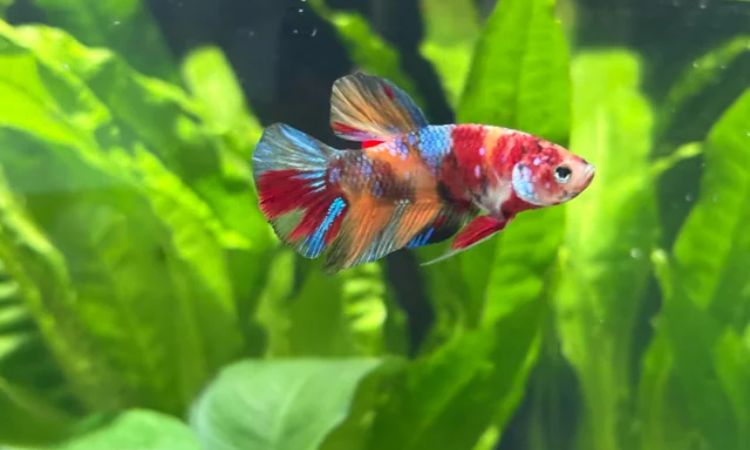
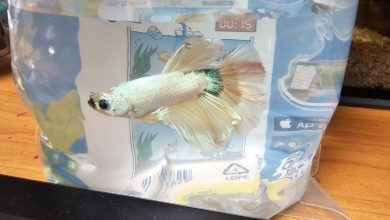
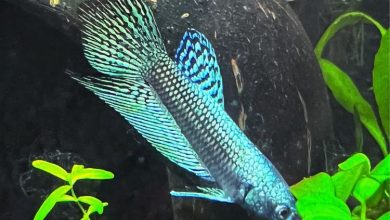
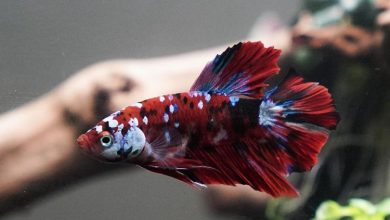
Bettas are equally famous for their striking appearance. Selective breeding over hundreds of years has produced an incredible variety of colors, patterns, and fin types, including Halfmoon, Crowntail, Plakat, Double Tail, Rosetail, Butterfly, Koi, Galaxy, and many others. While wild bettas typically display shorter fins and more subdued green, brown, or gray coloration, domesticated varieties showcase brilliant metallic blues, fiery reds, pearly whites, vibrant yellows, deep blacks, multicolor marbling, and iridescent finishes that make each fish unique.
Their personality is just as distinctive as their appearance. Betta fish are intelligent, curious, and highly aware of their surroundings. Many quickly learn to recognize their owner, investigate activity outside the aquarium, and eagerly swim to the front of the tank at feeding time. They also establish territories and may patrol favorite resting places, inspect decorations, and interact with enrichment throughout the day. Males, in particular, are naturally territorial and generally should not be housed together because serious fighting can occur if neither fish has room to retreat. Females are often less aggressive but still establish social hierarchies and require careful planning if kept in groups.
One fascinating behavior unique to breeding males is bubble nest building. Even without a female present, a healthy male may construct clusters of bubbles at the water’s surface. These nests are part of the species’ natural reproductive behavior, where fertilized eggs are protected until they hatch. While bubble nests aren’t a guarantee that a betta is perfectly healthy, they are considered a normal instinctive behavior in mature males.
Understanding these natural traits explains why proper husbandry is so important. Bettas flourish when their aquarium reflects their biological needs rather than outdated myths about their care. A spacious, heated, filtered aquarium with stable water quality, gentle flow, hiding places, and a protein-rich diet allows them to display their natural colors, behaviors, and activity levels. Instead of merely surviving, a well-cared-for betta becomes an active, interactive pet that can provide years of enjoyment while reaching its full genetic potential in a home aquarium.
Betta Fish Male vs. Female: Key Differences
If you’re planning to keep a betta fish, one of the first decisions you’ll make is whether to choose a betta fish male or a betta fish female. While both belong to the same species (Betta splendens), years of selective breeding have created noticeable differences in appearance, behavior, and aquarium management. Understanding these distinctions helps you choose the right fish for your setup and avoid common compatibility problems.
Appearance and Finnage
The easiest way to tell a betta fish male from a betta fish female is by looking at their fins, body shape, and coloration.
Male bettas are famous for their dramatic appearance. Most popular ornamental varieties—including Veiltail, Halfmoon, Over Halfmoon, Crowntail, Rosetail, and many Dumbo strains—feature long, flowing fins that create an elegant display as they swim. Males are also selectively bred for exceptionally vibrant colors, ranging from brilliant reds and royal blues to metallic greens, copper, koi patterns, galaxy marbling, and solid black or white varieties. When healthy and relaxed, their colors often appear especially rich and iridescent.
Female bettas have a more streamlined appearance. Their fins are much shorter, giving them greater agility and a look that more closely resembles their wild ancestors. While many females are less intensely colored than males, selective breeding has produced females with beautiful koi, marble, galaxy, dragon scale, and metallic patterns as well. In recent years, high-quality female bettas have become increasingly popular among hobbyists because of their attractive colors and active personalities.
Body shape also provides useful clues. Males generally develop a slightly larger, more elongated body, while females tend to be shorter and deeper-bodied. Mature females usually display a small white dot between the ventral fins and the anal fin called the ovipositor, or egg spot. This tiny tube is used to release eggs during spawning and is one of the most reliable physical characteristics for identifying an adult female.
It’s worth noting that young bettas can be difficult to sex accurately until they mature. Short-finned male varieties, such as Plakats, may also resemble females at first glance, so using several identifying characteristics together is more reliable than relying on fin length alone.
Temperament and Social Behavior
Although appearance often gets the most attention, behavior is what truly separates male and female bettas in everyday care.
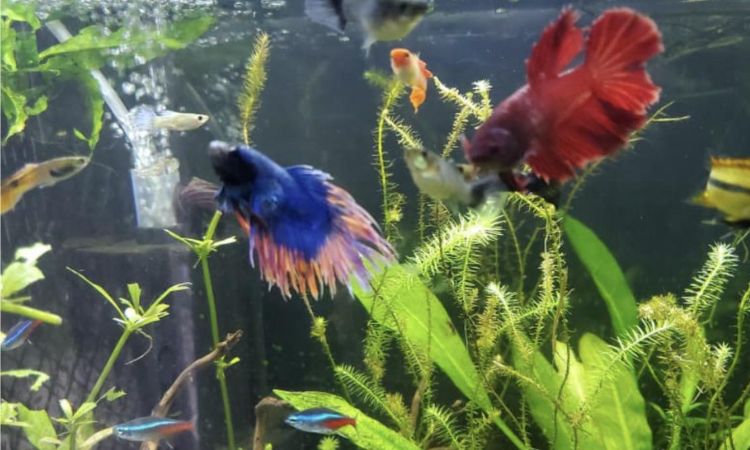
Male bettas are naturally highly territorial. In the wild, each male claims an area filled with vegetation where he patrols, feeds, and eventually builds bubble nests for breeding. If another male enters that territory, both fish typically display aggressive behaviors such as flaring their gill covers, spreading their fins, charging, and biting. In an aquarium, where there is little opportunity to escape, these confrontations can quickly escalate into severe injuries or even death.
For that reason, two male bettas should never share the same aquarium. Even seeing another male through glass can trigger repeated flaring and stress in some individuals. While occasional flaring is a normal territorial display, constant visual confrontation should be avoided whenever possible.
Female bettas are generally less aggressive, but they are not completely peaceful. They also establish territories and naturally develop social rankings when living together. This dominance hierarchy means that some chasing, displaying, and minor disputes are normal as the group determines its pecking order.
Because of this behavior, keeping multiple females together—commonly called a betta sorority—is considered an advanced fishkeeping project, not a beginner setup. Successful sororities typically require:
- A generously sized aquarium with plenty of swimming space.
- Dense live or artificial plants, driftwood, caves, and other visual barriers that break up sight lines.
- Multiple hiding places to reduce constant interaction.
- Careful observation during the introduction period.
- A backup plan to separate individuals if aggression becomes excessive.
Even with ideal conditions, not every female is suited for group living. Individual personalities vary, and some fish remain too dominant or too submissive to thrive in a sorority. Many experienced aquarists find that housing a single female in her own well-designed aquarium is often simpler and provides an equally rewarding experience.
Whether you choose a male or female, both can become engaging, interactive pets when provided with appropriate housing, stable water quality, and attentive care. The best choice depends less on appearance and more on the type of aquarium you want to maintain and the level of management you’re prepared to provide.
What Is the Typical Betta Fish Lifespan?
The average betta fish lifespan is 3 to 5 years when the fish is kept in a properly maintained aquarium with stable water conditions, a nutritious diet, and minimal stress. While some bettas unfortunately pass away much sooner due to illness or poor genetics, others have been known to live 6 to 8 years, with exceptional cases reaching even longer. These long-lived fish are the exception rather than the rule, so it’s best to view 3–5 years as a realistic expectation rather than a guarantee.
One factor many new owners don’t realize is that most bettas sold in pet stores are already several months old before they arrive home. Males are commonly sold once their colors and finnage are fully developed, often around 6 to 12 months of age. That means a fish purchased today may already be approaching its first birthday, even though it appears young and healthy. As a result, a betta that lives another three years after purchase may actually have enjoyed a full lifespan.
Genetics also play a major role in longevity. Decades of selective breeding have produced stunning colors, elaborate finnage, and unique patterns, but these traits sometimes come at the expense of overall health. Some heavily bred strains may be more susceptible to tumors, organ failure, swim bladder disorders, or weakened immune systems. In contrast, bettas from responsible breeders that prioritize health and genetic diversity often have a better chance of living longer than mass-produced fish.
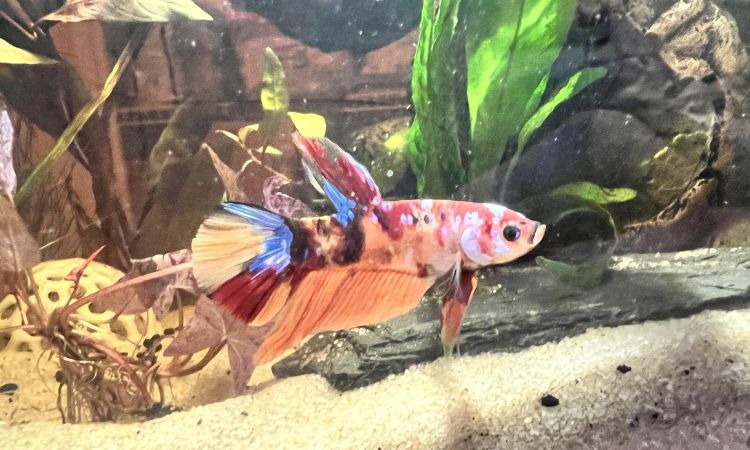
Environmental quality is another factor that owners can directly control. Bettas thrive in consistently warm water, gentle filtration, and clean, stable conditions. Frequent temperature swings, elevated ammonia or nitrite, poor water quality, chronic stress, and cramped housing can gradually weaken a betta’s immune system, making it more vulnerable to bacterial infections, parasites, and other health problems that shorten its life.
Nutrition also matters over the long term. Because bettas are carnivores, they do best on a high-quality, protein-rich diet supplemented with occasional frozen or freeze-dried foods such as brine shrimp or bloodworms. Avoiding chronic overfeeding is just as important as providing quality food, since obesity and digestive problems can contribute to long-term health issues.
As bettas enter their senior years, it’s normal to notice gradual changes. Older fish often become less active, spend more time resting, lose some of their vibrant coloration, and may not swim as powerfully as they once did. These age-related changes usually develop slowly and are different from the sudden symptoms associated with disease.
Common Health Issues and Prevention
Even the healthiest betta fish can become sick if water quality declines or stress builds over time. Fortunately, many common illnesses are preventable, and catching problems early gives your fish the best chance of recovery. Spending just a few minutes observing your betta each day can help you notice subtle changes before they become serious.
Fin Rot
Fin rot is one of the most common illnesses in bettas. It usually begins with ragged, fraying, or discolored fins that appear to be shrinking over time. In more advanced cases, the edges may become blackened, bloody, or inflamed.
Poor water quality is the most common trigger, although injuries and chronic stress can also make a betta more vulnerable. Maintaining clean, stable water and removing anything with sharp edges that could tear delicate fins are the best ways to prevent this condition.
Ich (White Spot Disease)
Ich is a highly contagious parasite that appears as tiny white spots resembling grains of salt on the body and fins. Infected bettas may rub against decorations, clamp their fins, breathe more rapidly, or become unusually lethargic.
Because ich spreads quickly, early treatment is essential. Maintaining stable water temperatures, avoiding sudden environmental changes, and quarantining new fish before adding them to a display aquarium greatly reduce the risk of introducing the parasite.
Dropsy
Dropsy is not a disease itself but a symptom of severe internal problems, often involving bacterial infections or organ failure. A betta with dropsy may develop a swollen abdomen, raised “pinecone” scales, loss of appetite, difficulty swimming, and extreme lethargy.
Unfortunately, dropsy often carries a poor prognosis, especially once the scales begin protruding. The best defense is prevention through excellent husbandry, since fish living in clean, low-stress environments are less likely to develop infections that contribute to this condition.
Other Warning Signs to Watch For
Regardless of the specific illness, these changes should never be ignored:
- Loss of appetite
- Clamped fins
- Faded coloration
- Labored or rapid breathing
- Difficulty maintaining balance
- White patches, ulcers, or fuzzy growths
- Flashing or rubbing against decorations
- Spending excessive time lying on the bottom or gasping at the surface
Many diseases progress rapidly, so responding to these early warning signs is far more effective than waiting until symptoms become severe.
Quarantine New Fish and Plants
One of the simplest ways to protect your aquarium is to quarantine new additions before introducing them to your established tank. A separate quarantine aquarium allows you to observe new fish for 2 to 4 weeks for signs of parasites, bacterial infections, or other health problems before they can spread.
Live plants, snails, and other aquarium inhabitants can also introduce unwanted hitchhikers. Whenever possible, inspect and quarantine them as well before placing them into your main aquarium.
Maintain a Consistent Water Change Routine
Clean water is the foundation of a healthy betta. Rather than waiting until the tank looks dirty, establish a regular maintenance schedule.
For most filtered aquariums:
- Perform 20–30% water changes every week using dechlorinated water.
- Vacuum debris from the substrate during water changes.
- Test ammonia, nitrite, and nitrate regularly to ensure the biological filter is functioning properly.
- Avoid replacing all of the water at once, as sudden changes can stress the fish and disrupt beneficial bacteria.
Combined with stable temperatures, gentle filtration, and a balanced diet, routine maintenance helps support a strong immune system and reduces the likelihood of many common diseases.
Ultimately, prevention is far easier than treatment. A clean, stable aquarium, careful observation, and prompt action when something seems unusual will keep most bettas healthy and allow them to thrive for years.