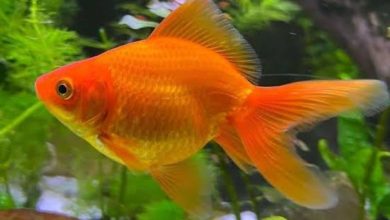
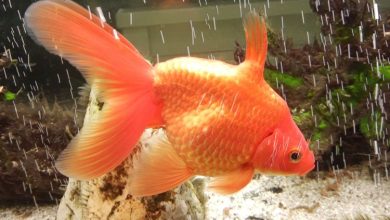
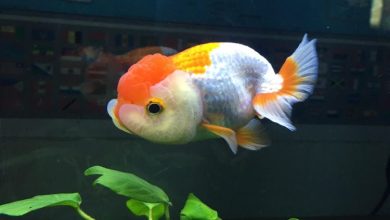
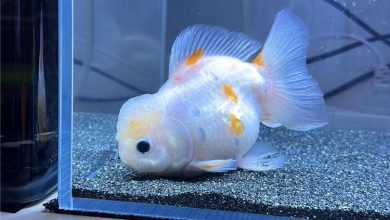
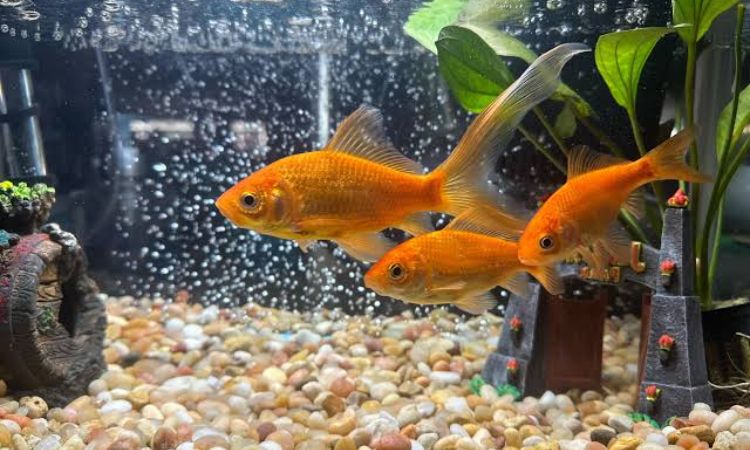
Bright orange, endlessly curious, and surprisingly intelligent, the Common Goldfish has become an icon of home aquariums and backyard ponds around the world. Although often seen as a simple beginner fish, this resilient species is capable of growing much larger—and living much longer—than many first-time owners expect. Given the right environment, a Common Goldfish can become a long-term companion that thrives for many years.
This guide covers everything you need to know about Common Goldfish care, including lifespan, tank size, diet, water conditions, and practical tips for keeping your fish healthy from juvenile to adult.
Fast Facts and Care Overview
| Metric | Target Requirement |
| Care Level | Beginner-friendly. Common Goldfish are hardy and adaptable, making them an excellent choice for new fish keepers as long as they have adequate space, clean water, and consistent maintenance. |
| Adult Size | Typically 10–12 inches (25–30 cm), though some well-kept pond specimens may grow even larger under ideal conditions. |
| Lifespan | 10–15 years on average, with many living 20 years or more when provided with proper care, excellent water quality, and a balanced diet. Exceptional individuals have lived for several decades. |
| Minimum Tank Size | 40–50 gallons for a single adult Common Goldfish, with an additional 20–30 gallons for each extra fish. Larger aquariums or outdoor ponds provide the best long-term environment. |
| Water Temperature | 60–75°F (16–24°C) is ideal. Common Goldfish tolerate cooler temperatures well and can safely overwinter in appropriately managed outdoor ponds in many climates. |
| Diet | Omnivorous. Feed a high-quality goldfish pellet or gel food as the staple diet, supplemented with vegetables such as shelled peas, spinach, zucchini, and occasional protein-rich treats like bloodworms, brine shrimp, or daphnia. Feed only what they can consume within 2–3 minutes, once or twice daily depending on water temperature. |
Common Goldfish Lifespan and Growth Expectations
One of the biggest misconceptions about Common Goldfish is that they stay small and only live a few years. In reality, these fish are capable of growing into large, long-lived pets when given enough space, clean water, and proper nutrition. Understanding their true lifespan and growth potential helps you create an environment where they can thrive instead of simply survive.
Real Lifespan Potential
A healthy Common Goldfish is a long-term commitment. While many people assume they live only a few years, poor housing and inadequate care are usually responsible for shortened lifespans—not the species itself.
In a well-maintained aquarium, Common Goldfish typically live 10 to 15 years. Fish housed in spacious outdoor ponds with stable water conditions and plenty of swimming room often live even longer, commonly reaching 15 to 20 years or more. Exceptional individuals have surpassed 40 years of age, proving just how resilient these fish can be when their needs are consistently met.
Several factors influence lifespan, including:
- Excellent water quality
- Adequate swimming space
- A nutritious, varied diet
- Efficient biological filtration
- Low stress levels
- Prompt treatment of illness
Rather than focusing solely on age, experienced keepers measure success by maintaining steady growth, vibrant coloration, strong appetites, and active behavior throughout the fish’s life.
The Stunting Myth Explained
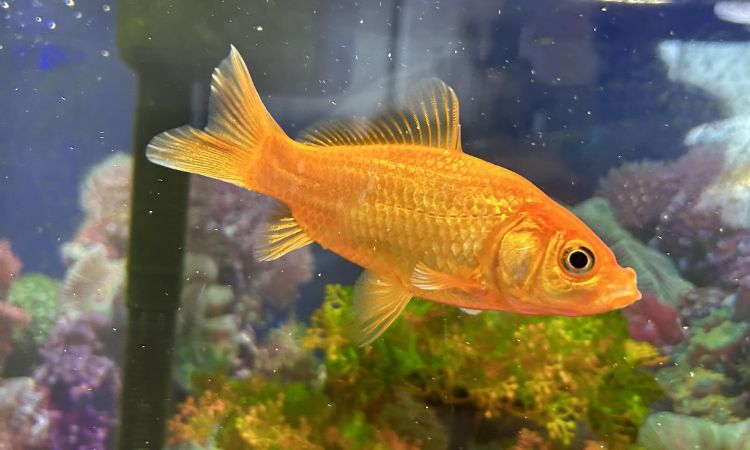
One of the most persistent myths in fishkeeping is that goldfish “grow only to fit their tank.” While fish kept in undersized aquariums may appear smaller, this is not healthy or natural growth.
When a Common Goldfish is confined to a small tank or bowl, poor water quality and limited swimming space suppress normal body growth. However, many internal organs continue developing, placing increasing stress on the fish’s body over time. This imbalance can contribute to organ dysfunction, weakened immunity, skeletal deformities, chronic stress, and a significantly shortened lifespan.
Stunted goldfish often display:
- Thick or disproportionate body shapes
- Reduced activity
- Frequent health problems
- Poor coloration
- Shorter overall lifespan
Providing a large aquarium or pond doesn’t make a goldfish grow unnaturally large—it simply allows it to reach the size its genetics were designed to achieve. Healthy growth is gradual, balanced, and supported by clean water, proper nutrition, and adequate swimming space.
Growth Rates
Common Goldfish grow surprisingly quickly during their first few years, especially when maintained in spacious environments with consistent care. Genetics influence final size, but environmental conditions play an equally important role.
First Year
Growth is fastest during the first 12 months. Juveniles commonly reach 4 to 6 inches (10–15 cm) by the end of their first year when provided with high-quality food, regular water changes, and plenty of room to swim.
Second Year
During the second year, growth continues at a steady pace. Many healthy Common Goldfish reach 6 to 8 inches (15–20 cm) and begin developing the thicker body and stronger musculature typical of mature fish.
Full Maturity
Most Common Goldfish approach their adult size between 3 and 5 years of age, although they may continue growing slowly for several more years. Fully mature fish generally measure 10 to 12 inches (25–30 cm), while exceptionally well-maintained pond specimens can occasionally exceed this length.
It’s important to remember that growth isn’t a race. A goldfish that develops steadily in clean, stable water will almost always be healthier than one pushed to grow rapidly through excessive feeding. Consistent husbandry—not rapid growth—is the foundation for raising large, long-lived Common Goldfish.
Tank Size and Environmental Requirements
Creating the right environment is the single most important part of Common Goldfish care. While these fish are often marketed as easy pets that can live in small bowls, they actually need plenty of swimming space, clean water, and stable conditions to stay healthy. A properly sized aquarium or pond not only encourages natural behavior but also supports steady growth and a much longer lifespan.
Why Fish Bowls Are Lethal
The image of a goldfish living happily in a round glass bowl has been around for decades, but it’s one of the biggest myths in fishkeeping. Bowls simply cannot provide the conditions Common Goldfish need to thrive.
Goldfish produce a significant amount of waste compared to many other freshwater fish. In a small bowl, toxic ammonia can build up quickly because there isn’t enough water volume to dilute waste or support a stable biological filter. As ammonia and nitrite levels rise, they damage the fish’s gills, weaken its immune system, and can become fatal if left unchecked.
Fish bowls also have several other drawbacks:
- Limited swimming space restricts normal movement and healthy development.
- Small water volumes experience rapid temperature fluctuations.
- The reduced surface area limits oxygen exchange.
- Most bowls cannot accommodate an appropriately sized filter.
- Water quality deteriorates much faster, requiring frequent maintenance.
Although a goldfish may survive in a bowl for a period of time, survival is not the same as thriving. A spacious aquarium or pond provides a far healthier environment where the fish can display natural behaviors, grow properly, and enjoy a much longer life.
Minimum Volume Guidelines
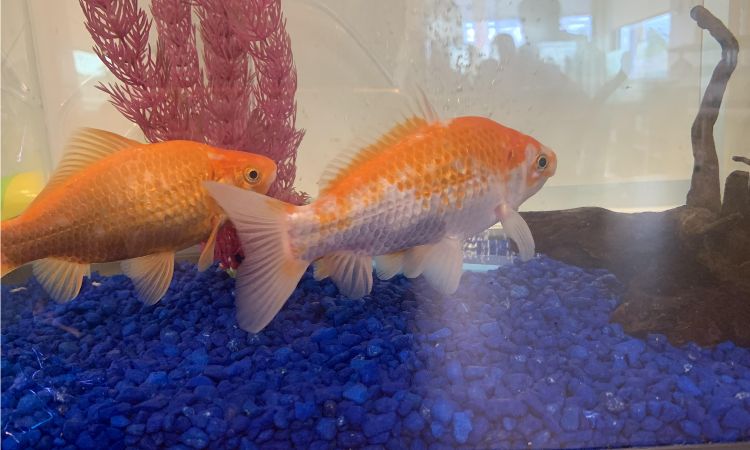
Choosing the right aquarium from the beginning can prevent many common health problems later on. Since Common Goldfish continue growing throughout their lives, it’s always better to plan for their adult size rather than their current size.
General recommendations include:
| Goldfish | Recommended Minimum Tank Size |
| 1 juvenile Common Goldfish | 20–30 gallons (temporary grow-out) |
| 1 adult Common Goldfish | 40–50 gallons |
| Each additional adult | Add 20–30 gallons |
These are practical minimums, not ideal limits. Larger aquariums are easier to maintain because they dilute waste more effectively, provide greater swimming space, and keep water conditions more stable. If you have the space, upgrading to a larger aquarium or an outdoor pond is always beneficial.
Filtration and Water Circulation
Goldfish are heavy waste producers, making efficient filtration essential rather than optional. A quality filter removes solid debris, supports beneficial bacteria that convert toxic ammonia into less harmful nitrate, and keeps the water well oxygenated.
For Common Goldfish, choose a filter capable of circulating the entire aquarium at least 8 to 10 times per hour. For example, a 50-gallon aquarium should ideally use a filter rated for 400–500 gallons per hour (GPH).
Many hobbyists combine filtration methods for even better water quality, such as:
- Hang-on-back filters
- External canister filters
- Sponge filters for additional biological filtration
- Air stones or air pumps to improve surface agitation
Although air stones don’t directly add oxygen to the water, they increase surface movement, allowing more oxygen to dissolve while helping release excess carbon dioxide.
Water movement should remain gentle to moderate. Common Goldfish are capable swimmers, but they do best in currents that provide good circulation without forcing them to constantly battle strong flow.
Water Parameters and Substrate
Stable water chemistry is just as important as a spacious tank. Common Goldfish are relatively forgiving, but they remain healthiest when water conditions stay consistent.
Aim for the following parameters:
| Parameter | Recommended Range |
| Temperature | 60–75°F (16–24°C) |
| pH | 6.8–8.0 |
| Ammonia | 0 ppm |
| Nitrite | 0 ppm |
| Nitrate | Below 20–40 ppm |
Regular water testing allows you to identify problems before they affect your fish. Weekly partial water changes of 20–30% help control nitrate levels and replenish essential minerals without disrupting the biological filter.
For the substrate, smooth gravel or aquarium sand both work well. Many Common Goldfish naturally sift through the bottom while searching for food, so avoid sharp gravel that could damage their mouths or gills. If using gravel, choose pieces that are either too large to swallow or small enough to pass safely, reducing the risk of accidental ingestion.
Feeding and Diet Guidelines
A balanced diet is one of the most important factors in keeping Common Goldfish healthy, active, and long-lived. While these fish are enthusiastic eaters that seem hungry all the time, providing the right foods in appropriate portions is far more important than simply feeding often. A varied, nutrient-rich diet supports healthy growth, vibrant coloration, efficient digestion, and a strong immune system while reducing the risk of common health problems.
Nutritional Demands
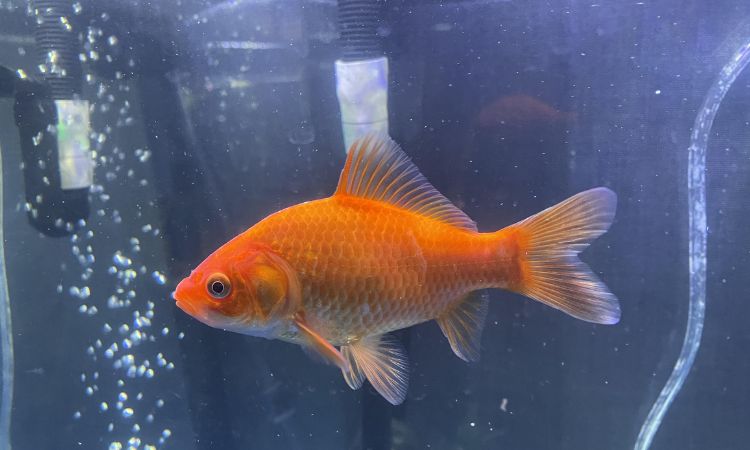
Common Goldfish are omnivores, meaning they naturally consume both plant and animal matter. In the wild, their diet includes aquatic plants, algae, insect larvae, worms, small crustaceans, and other organic material they find while foraging along the bottom.
In captivity, their digestive system benefits most from a diet that is high in fiber and moderate in protein. Fiber helps food move efficiently through the digestive tract, reducing the likelihood of constipation and buoyancy problems, while moderate protein provides the energy and nutrients needed for healthy growth without placing unnecessary strain on the digestive system.
A well-rounded diet also supplies essential vitamins, minerals, and beneficial pigments that help maintain strong immune function and vibrant natural coloration.
Recommended Food Types
Offering a variety of foods closely mimics a goldfish’s natural feeding habits and helps ensure balanced nutrition.
High-Quality Sinking Goldfish Pellets
A premium sinking goldfish pellet should serve as the foundation of your fish’s daily diet. Sinking foods encourage natural bottom-feeding behavior and reduce the amount of air swallowed during feeding. This is particularly important because excessive air intake from surface feeding can contribute to digestive discomfort and buoyancy issues in some goldfish.
Look for pellets specifically formulated for goldfish that contain quality fish proteins, plant-based ingredients, and stabilized vitamins. These diets are designed to meet the nutritional needs of goldfish while producing less waste than lower-quality foods.
Fresh and Blanched Vegetables
Fresh vegetables provide valuable fiber and additional nutrients that promote healthy digestion. Many experienced goldfish keepers include vegetables several times each week as part of a balanced feeding routine.
Excellent choices include:
- Shelled green peas
- Blanched spinach
- Zucchini slices
- Romaine lettuce
- Duckweed
- Blanched broccoli leaves
Green peas are particularly popular because they are rich in fiber and easy to digest after the outer skin has been removed. Offering vegetables regularly may help reduce mild digestive issues while encouraging natural grazing behavior.
Occasional Protein Supplements
Although plant matter should make up a significant portion of the diet, Common Goldfish also benefit from occasional protein-rich treats.
Suitable options include:
- Frozen bloodworms
- Frozen or live brine shrimp
- Daphnia
- Mysis shrimp
These foods provide variety and can be especially useful for growing juveniles or conditioning breeding adults. However, because they are richer than staple foods, they should be offered only occasionally rather than as daily meals.
Feeding Schedule and Portion Control
Goldfish thrive on consistent feeding routines rather than large meals.
Most healthy adults do well with one to two small feedings each day. Fish kept in cooler water have slower metabolisms and generally require only one feeding daily, while those maintained in warmer temperatures within the recommended range may benefit from two smaller meals.
A simple guideline is the 2-minute rule: provide only as much food as your goldfish can completely consume within about two minutes. If food remains after that time, you’ve likely offered too much.
Smaller, measured meals are easier to digest, produce less waste, and help maintain stable water quality.
Hazards of Overfeeding
Overfeeding is one of the most common mistakes made by new goldfish owners. Because Common Goldfish eagerly beg for food, it’s easy to assume they’re still hungry even when they’ve eaten enough.
Excess food creates several problems, including:
- Constipation and digestive upset
- Increased risk of swim bladder disorders caused by intestinal pressure affecting buoyancy
- Obesity and fatty organ disease over time
- Uneaten food decomposing in the aquarium
- Elevated ammonia and nitrate levels
- Poor water quality that encourages disease-causing bacteria and parasites
If you accidentally overfeed, remove any uneaten food promptly and monitor water quality over the next several days. Consistently feeding smaller portions, combined with regular water changes and effective filtration, is one of the best ways to keep both your fish and aquarium healthy.