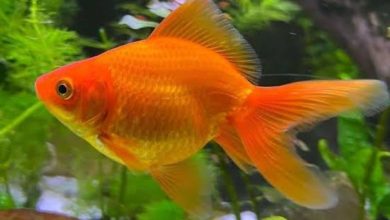
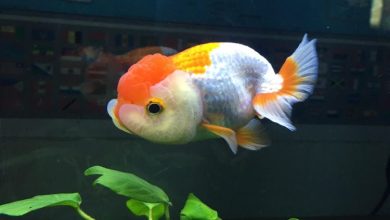
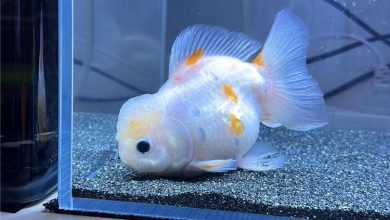
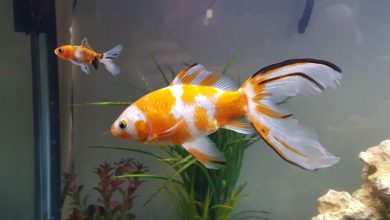
The Ryukin goldfish is a standout variety of fancy goldfish, admired for its dramatic shoulder hump, rounded body, and flowing double tail. Bred through generations of selective breeding, this ornamental fish combines a bold appearance with a peaceful personality, making it a favorite among goldfish keepers. From its unique body shape to its care needs, understanding the Ryukin is the first step to creating the ideal environment for this elegant aquatic companion.
What Is a Ryukin Goldfish?
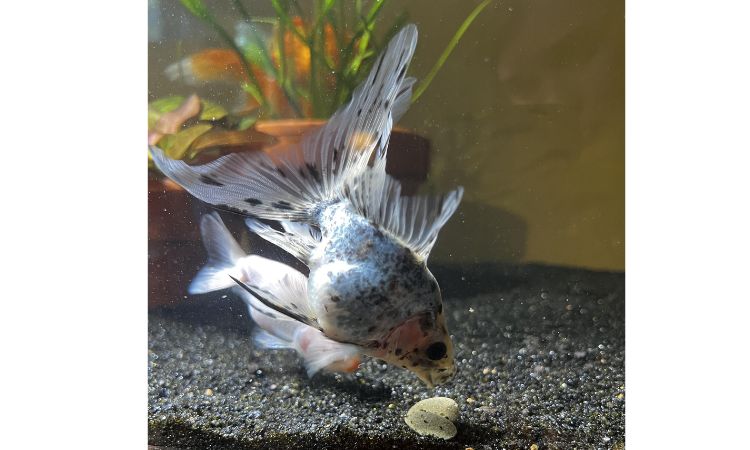
The Ryukin goldfish is one of the most recognizable fancy goldfish varieties, famous for its tall body, dramatic shoulder hump, and flowing double tail. A selectively bred form of Carassius auratus, the Ryukin combines a striking appearance with a relatively hardy nature, making it a popular choice among both beginner aquarists and dedicated goldfish enthusiasts.
Unlike slim-bodied common goldfish, the Ryukin has been developed for a compact, rounded shape that gives it a unique presence in freshwater aquariums. Its deep body, elegant fins, and wide range of color patterns have helped make it one of the most admired ornamental goldfish varieties worldwide.
Origin and History
The exact history of the Ryukin is still debated, but most experts agree that its roots trace back to China, where many early fancy goldfish varieties were developed through selective breeding. The Ryukin is believed to have originated from the Wakin, an early double-tailed goldfish variety, before being refined into its modern form.
The fish reached Japan sometime during the 1700s, reportedly arriving through the Ryukyu Islands (modern-day Okinawa), a chain of islands located between China and Japan. This route is believed to be the reason behind its name—“Ryukin” meaning a goldfish associated with the Ryukyu region.
After arriving in Japan, breeders continued refining the variety, selecting fish with deeper bodies, stronger back curves, and more attractive finnage. By the 19th and early 20th centuries, the Ryukin had become one of Japan’s most valued fancy goldfish varieties alongside other famous breeds such as the Ranchu and Oranda.
Today, Ryukins are bred around the world, with notable varieties coming from Japan, China, Thailand, and other goldfish-producing regions. Modern breeders have developed many different body shapes, tail styles, and color patterns while maintaining the signature Ryukin appearance.
Physical Characteristics
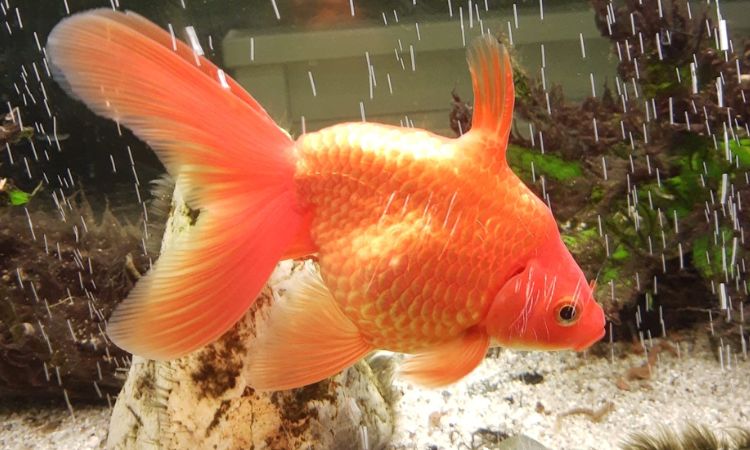
The Ryukin’s most defining feature is its tall, rounded body with a prominent hump behind the head. This elevated shoulder region creates the dramatic profile that separates it from other fancy goldfish varieties.
Key physical traits include:
- Pronounced shoulder hump: The back rises sharply behind the head, creating the classic Ryukin silhouette.
- Deep egg-shaped body: The body is short, wide, and rounded, giving the fish a compact appearance.
- Pointed head and snout: Compared with some other fancy goldfish, Ryukins often have a smaller, more pointed head.
- Double caudal fin: The tail is split into two lobes and may be short, broad, or long and flowing depending on the variety.
- Tall dorsal fin: Unlike Ranchu goldfish, Ryukins retain a dorsal fin, which contributes to their upright appearance.
- Paired anal fins: Quality specimens typically display two anal fins that match their balanced body structure.
Ryukins come in several fin styles, including short-tailed varieties with a compact appearance and long-tailed forms with flowing fins often favored for show displays. Some modern lines, such as butterfly or broad-tail Ryukins, have been developed for especially dramatic tail shapes.
Color Variations
One of the reasons Ryukin goldfish remain so popular is their impressive range of colors and scale types. Breeders have developed many combinations, from simple metallic shades to complex multi-colored patterns.
Common Ryukin color varieties include:
- Red: A classic solid color with a bright, bold appearance.
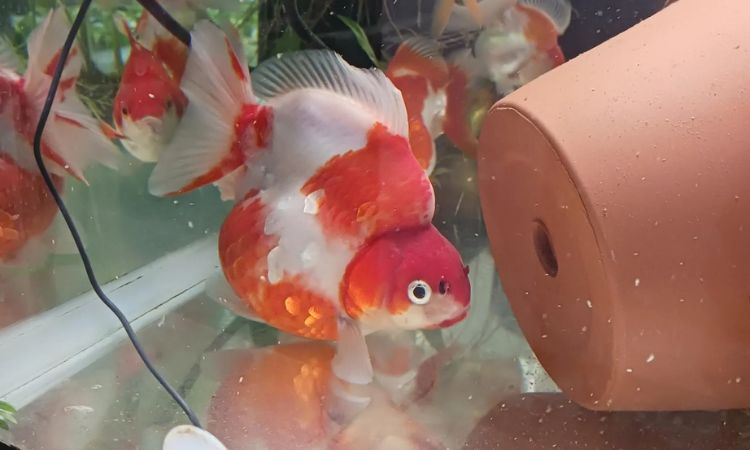
- Red and white (Sarasa): One of the most popular patterns, featuring contrasting patches of vibrant red and clean white.
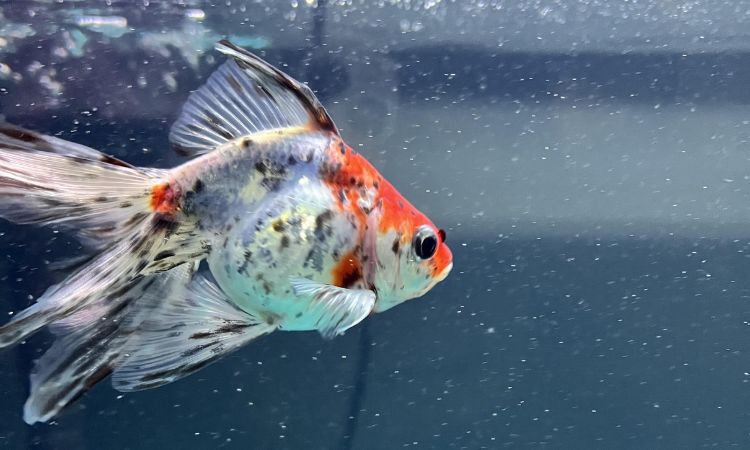
- Calico: A multicolored pattern containing blue, black, orange, red, and white markings. Calico Ryukins are especially prized for unique patterns.
- Chocolate: A warm brown coloration that has become increasingly popular among fancy goldfish keepers.
- Black: A darker variety with a dramatic appearance, although some black Ryukins may change color as they mature.
Other varieties may include blue, lavender, bronze, tricolor, Sakura, and metallic orange. Color development can continue as the fish ages, especially in younger specimens, so a juvenile Ryukin may look different as it reaches adulthood.
Expected Size and Lifespan
Ryukins are medium-to-large fancy goldfish that can grow much larger than their appearance suggests. In a properly maintained aquarium, most adult Ryukins reach around 6–8 inches (15–20 cm) in body length, although exceptional specimens kept in large tanks or ponds may grow closer to 10 inches (25 cm).
Growth depends heavily on:
- Tank size and swimming space
- Water quality
- Feeding quality and frequency
- Genetics
- Overall care
Because of their compact body shape, Ryukins often appear smaller than they actually are. Their tall bodies and large fins add significant size and make them impressive centerpiece fish.
With proper care, a healthy Ryukin can live 10–15 years or longer. Some well-maintained goldfish have exceeded this lifespan, especially when kept in spacious environments with excellent filtration, stable water conditions, and a balanced diet.
For aquarists looking for a goldfish with personality, beauty, and a long-term commitment, the Ryukin offers a unique combination of elegance and charm that has made it a favorite for generations.
Ryukin Goldfish Tank Setup Requirements
Creating the right environment is one of the most important steps in keeping a healthy Ryukin goldfish. Although Ryukins are considered one of the hardier fancy goldfish varieties, their compact bodies, flowing fins, and heavy waste production mean they need a well-planned aquarium setup.
A properly designed tank should provide enough swimming space, excellent filtration, stable water conditions, and a safe layout without sharp objects that could damage their delicate fins.
Minimum Tank Size
Ryukin goldfish may look small when purchased as juveniles, but they can grow much larger with proper care. Adult Ryukins commonly reach 6–8 inches (15–20 cm) in length, and their deep bodies require more space than their size suggests.
A good starting point is:
- One adult Ryukin: 20–30 gallons (75–115 liters)
- Each additional Ryukin: Add another 10–15 gallons (40–60 liters)
A larger aquarium is always beneficial because it helps maintain better water quality and gives these active fish more room to explore. Overcrowded tanks quickly accumulate ammonia and waste, which can lead to stress, disease, and slower growth.
Longer tanks are generally preferred over tall, narrow aquariums because Ryukins benefit from horizontal swimming space. Their rounded bodies make them less agile than slim-bodied goldfish, so open areas allow them to move comfortably.
Filtration Systems
Ryukins are beautiful fish, but they are also messy. Like all goldfish, they produce a significant amount of waste, making strong filtration essential.
An effective filtration system should provide:
- Mechanical filtration to remove uneaten food and solid waste
- Biological filtration to convert toxic ammonia and nitrite into safer nitrate
- Good oxygenation to support both fish and beneficial bacteria
The filter should create gentle water movement rather than a powerful current. Ryukins are not weak swimmers, but their short, deep bodies make prolonged swimming against strong flow tiring.
Good filtration options include:
- Canister filters with adjustable flow
- Hang-on-back filters with controlled output
- Sponge filters combined with other filtration methods
Adding an air stone can also improve oxygen levels, especially in warmer water or heavily stocked aquariums.
Regular maintenance is still necessary even with excellent filtration. Perform partial water changes regularly and test water parameters to ensure ammonia and nitrite remain at 0 ppm.
Substrate Selection
The substrate in a Ryukin aquarium should prioritize safety and easy maintenance. These goldfish spend a lot of time searching the bottom for leftover food, so the wrong substrate can create problems.
Good substrate choices include:
Fine Sand
Sand provides a natural appearance and allows Ryukins to forage safely. It is also less likely to injure their mouths while they dig through the bottom.
Smooth Gravel or River Stones
Rounded gravel can work well as long as the pieces are large enough that the fish cannot accidentally swallow them.
Avoid:
- Sharp gravel edges
- Crushed stone
- Very small gravel pieces that can become trapped in the mouth
Some keepers also choose bare-bottom tanks because they are easier to clean and prevent waste from accumulating between substrate particles. While less natural-looking, this setup can work well for breeders or hobbyists who prioritize maintenance.
Water Parameters
Stable water conditions are essential for Ryukin goldfish health. Sudden changes in temperature, pH, or water chemistry can stress these fish and weaken their immune system.
Recommended water parameters:
| Parameter | Ideal Range |
| Water Temperature | 60–75°F (16–24°C) |
| pH Level | 6.5–7.5 |
| Ammonia | 0 ppm |
| Nitrite | 0 ppm |
| Nitrate | Below 30 ppm |
| General Hardness (GH) | Around 100–200+ ppm |
| Carbonate Hardness (KH) | Stable buffering capacity recommended |
Ryukins can tolerate seasonal temperature changes, but sudden fluctuations should be avoided. Indoor aquariums usually do not require a heater unless the room becomes very cold.
Clean water is especially important because fancy goldfish are sensitive to prolonged exposure to ammonia and nitrite. Regular testing with a liquid test kit helps detect problems before they affect your fish.
Aquarium Decor and Lighting
A Ryukin aquarium should combine safety, open swimming space, and a visually appealing design. Because of their rounded bodies and flowing fins, these fish can easily injure themselves on rough decorations.
Safe Decoration Choices
Recommended options include:
- Smooth rocks
- Driftwood with rounded edges
- Live plants that can tolerate goldfish activity
- Silk plants without sharp plastic edges
Good plant choices may include hardy varieties such as:
- Anubias
- Java fern
- Vallisneria
However, remember that Ryukins are omnivores and may nibble on softer plants.
Avoid decorations with:
- Sharp corners
- Small openings
- Narrow tunnels
- Rough surfaces
These can catch their fins or trap their bodies.
Lighting Requirements
Ryukins do not require intense lighting. Moderate aquarium lighting is usually enough to display their colors and support plant growth.
A good lighting schedule is generally:
- Around 8–10 hours of light per day
- A consistent day/night cycle
- Avoiding direct sunlight on the aquarium
Too much light can encourage excessive algae growth, especially in goldfish tanks where nutrient levels are naturally higher due to waste production.
A well-designed Ryukin aquarium should provide a balance between beauty and practicality: enough open space for swimming, safe decorations, clean water, and stable conditions. With the right setup, these elegant goldfish can thrive and become a stunning centerpiece in any freshwater aquarium.
Diet and Feeding Guidelines
Feeding a Ryukin goldfish is about more than simply keeping it full. Because of their deep, rounded bodies, Ryukins have a higher risk of digestive and buoyancy problems compared with slimmer goldfish varieties. A balanced diet with the right food types and feeding habits helps support healthy growth, vibrant colors, strong immunity, and proper swimming ability.
Ryukins are omnivores, meaning they benefit from a combination of plant-based and animal-based foods. Offering variety while avoiding overfeeding is the key to keeping these fancy goldfish in excellent condition.
Optimal Nutrition
A high-quality sinking pellet should form the foundation of a Ryukin’s daily diet. Sinking foods are especially beneficial for deep-bodied fancy goldfish because they encourage natural feeding behavior and reduce the amount of air they may swallow while eating.
Floating flakes and pellets can cause problems because Ryukins often rush to the water surface and accidentally gulp air along with their food. This swallowed air can contribute to buoyancy issues, causing symptoms such as floating sideways, difficulty staying balanced, or swimming upside down.
Look for goldfish foods that contain:
- High-quality fish proteins for growth and tissue repair
- Marine ingredients such as krill or shrimp for natural color enhancement
- Plant ingredients for digestive health
- Essential vitamins and minerals for long-term wellness
Pellets should be appropriately sized for the fish. Smaller Ryukins may need small pellets, while larger adults can handle medium-sized sinking varieties.
Soaking dry pellets for a few minutes before feeding can also help soften the food and reduce the chance of digestive discomfort.
Supplemental Foods
While pellets provide complete nutrition, adding fresh and frozen foods creates a more varied diet and provides enrichment.
Frozen and Live Protein Sources
Ryukins enjoy occasional protein-rich foods such as:
- Bloodworms: A nutritious treat that supports growth and conditioning
- Daphnia: Helps provide easily digestible protein and can support healthy digestion
- Brine shrimp: A good source of nutrients, especially for younger fish
Frozen versions are often safer than collecting live foods from outdoor sources, which may introduce parasites or unwanted organisms into the aquarium.
Blanched Vegetables
Plant matter is an important part of a goldfish’s natural diet. Offering vegetables regularly can support digestion and provide valuable fiber.
Good vegetable options include:
- Peas: One of the most popular choices for helping prevent constipation
- Spinach: Provides vitamins and minerals
- Zucchini: Soft, easy-to-eat vegetable that many goldfish enjoy
Always blanch vegetables first to soften them, then remove uneaten pieces after a few hours to prevent water quality problems.
Feeding Frequency and Portion Control
Ryukins have a strong appetite and often appear hungry, but overfeeding can quickly create problems. Excess food increases waste production, raises ammonia levels, and can contribute to digestive issues.
A good feeding routine for adult Ryukins is:
- Feed 1–2 times daily
- Provide only what they can finish within a few minutes
- Remove any leftover food if it remains uneaten
For younger fish that are actively growing, smaller meals offered more frequently may be beneficial. Breeders often feed multiple times per day to encourage maximum growth, but home aquariums usually require a more moderate schedule.
A useful approach is to observe your fish after feeding. A healthy Ryukin should be active, maintain good balance, and show normal swimming behavior afterward.
Preventing Swim Bladder Issues in Deep-Bodied Fancy Goldfish
Swim bladder problems are one of the most common concerns among fancy goldfish, and Ryukins are particularly prone because of their compact, rounded body shape. Their internal organs are compressed compared with slim-bodied goldfish, making digestive problems more likely to affect buoyancy.
To reduce the risk:
Prioritize Sinking Foods
Sinking pellets and gel foods help prevent excessive air intake during feeding. This simple change can make a significant difference for many Ryukins.
Provide Adequate Fiber
Vegetables such as peas, spinach, and zucchini support healthy digestion and help prevent constipation, which can place pressure on the swim bladder.
Avoid Excessive Dry Foods
Too much dry food, especially when fed without soaking, may expand after entering the digestive system and contribute to discomfort.
Maintain a Balanced Diet
A diet that combines quality pellets, occasional protein treats, and plant-based foods helps maintain proper digestion and reduces the chance of recurring buoyancy problems.
With the right feeding strategy, Ryukins can maintain their beautiful body shape, strong coloration, and active personality. A thoughtful diet is one of the most important parts of helping these elegant fancy goldfish live a long and healthy life.