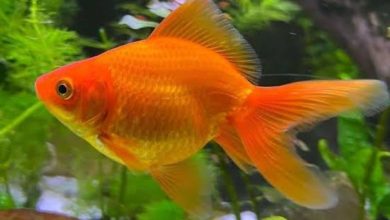
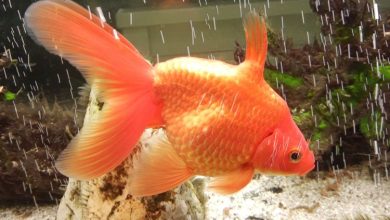
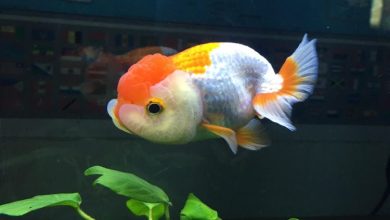
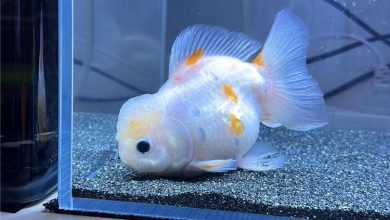
If you’re looking for a colorful, active fish that combines the hardiness of a Common Goldfish with the eye-catching beauty of koi-like patterns, the Shubunkin Goldfish is hard to beat. Instantly recognizable for its shimmering calico coloration, streamlined body, and graceful single tail, this lively variety has become a favorite among both aquarium hobbyists and pond keepers.
Shubunkins are easy to care for, adapt well to a wide range of water conditions, and can reward attentive owners with decades of companionship. In this Shubunkin Goldfish Care Guide, you’ll learn everything you need to know about tank size, diet, lifespan, water parameters, compatible tank mates, and essential care tips to help your fish thrive.
What Is a Shubunkin Goldfish?
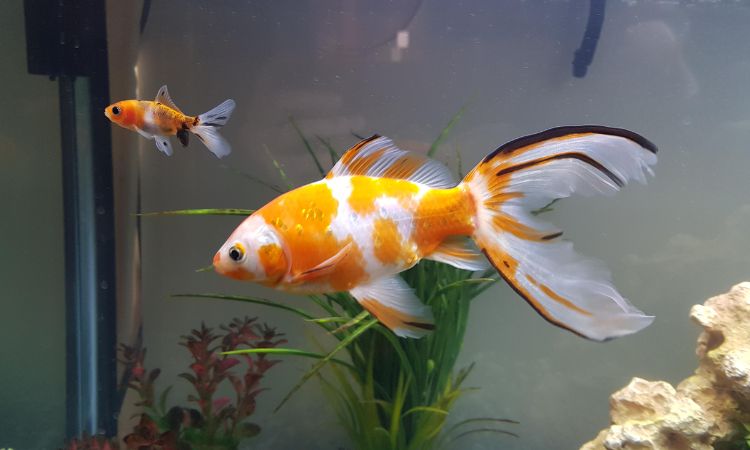
The Shubunkin Goldfish (Carassius auratus) is a hardy, single-tailed goldfish prized for its spectacular calico coloration, streamlined body, and energetic personality. Often described as a cross between the elegance of a koi and the resilience of a Common Goldfish, this variety has become a favorite among both aquarium hobbyists and pond keepers.
Unlike round-bodied fancy goldfish, Shubunkins are fast, agile swimmers with a torpedo-shaped body and flowing fins that allow them to thrive in spacious aquariums and outdoor ponds. They’re easy to care for, highly adaptable to a wide range of water conditions, and can live for several decades when provided with proper space, nutrition, and water quality.
One of the most fascinating features of every Shubunkin is that no two fish share exactly the same pattern. Each individual develops its own blend of colors and markings, making every fish truly unique.
Origin and History
The Shubunkin was first developed in Japan around the early 1900s through selective breeding rather than occurring naturally in the wild. Japanese breeders crossed Common Goldfish, Comet Goldfish, and calico Telescope Goldfish over multiple generations to create a fish that combined the streamlined body and hardiness of single-tailed varieties with the distinctive calico coloration inherited from telescope goldfish.
Although the breed originated in Japan, Shubunkins quickly gained popularity worldwide because of their vigorous health, rapid growth, and striking appearance. Today, they’re commonly found in home aquariums, ornamental ponds, botanical gardens, and public water features across the globe.
Like every domesticated goldfish variety, the Shubunkin ultimately traces its ancestry back to wild East Asian carp that were selectively bred over centuries into the many ornamental forms available today.
Key Physical Characteristics
Shubunkins are instantly recognizable thanks to their combination of graceful proportions and vibrant coloration.
Calico Color Pattern
The hallmark feature is the beautiful calico pattern, which consists of irregular patches and speckles of:
- Blue
- Red
- Orange
- White
- Black
- Gray
- Yellow
Among breeders, deep sky-blue or slate-blue coloration is considered the most desirable trait because it is relatively uncommon and often becomes more vibrant as the fish matures.
Unlike solid-colored goldfish, every Shubunkin develops a unique color arrangement. Juveniles may initially appear pale or bronze before their adult coloration gradually emerges over several months.
Nacreous (Pearly) Scales
Instead of purely metallic scales, Shubunkins possess nacreous scales, which create a semi-transparent, pearly sheen. This distinctive scale type gives the fish a watercolor-like appearance that changes subtly under different lighting conditions.
Streamlined Body
Their long, slender body resembles that of a Common or Comet Goldfish, making them powerful swimmers capable of covering large distances with ease.
Typical features include:
- Single dorsal fin
- Single anal fin
- Long, flowing paired fins
- Deeply forked tail (depending on the variety)
- Normal eyes without telescope protrusion
Adults commonly reach 12 to 14 inches (30–35 cm) in suitable conditions, with pond-raised specimens occasionally growing even larger.
London vs. American vs. Bristol Shubunkin
Although all Shubunkins share the same calico coloration and nacreous scales, three recognized varieties differ primarily in body shape and tail structure.
London Shubunkin
The London Shubunkin most closely resembles a Common Goldfish.
Characteristics include:
- Shorter, rounded fins
- Broad, sturdy body
- Moderately forked tail
- Excellent hardiness
- Popular for ponds and beginner aquariums
Because of its robust build, this variety is often considered the easiest to maintain and is commonly found in the aquarium trade.
American (Japanese) Shubunkin
Also called the Japanese Shubunkin in some regions, this variety has a noticeably more elegant appearance.
Key characteristics include:
- Slim, streamlined body
- Long, flowing fins
- Deeply forked, pointed tail similar to a Comet Goldfish
- Faster swimming ability
- More graceful movement
This is the variety most hobbyists picture when they think of a Shubunkin and is widely available in aquarium stores.
Bristol Shubunkin
The Bristol Shubunkin is the rarest of the three varieties and was developed in England.
Its defining feature is its unique tail:
- Large, rounded caudal fin
- Heart-shaped or “B”-shaped tail lobes
- Broad body
- Long, elegant finnage
- Excellent show quality
Because Bristol Shubunkins are selectively bred to strict standards, they’re less common and are often sought after by dedicated goldfish enthusiasts and competitive breeders.
Shubunkin Tank Size Requirements
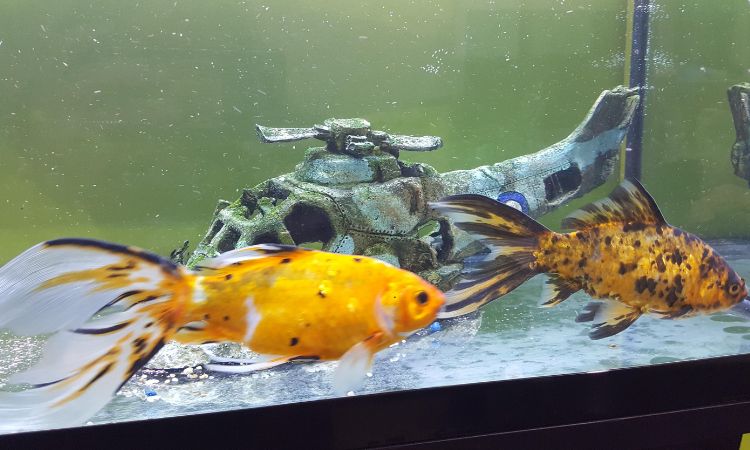
Shubunkins are active, fast-swimming goldfish that grow much larger than many beginners expect. Although they’re often sold as small juveniles, healthy adults can reach 12 to 14 inches in spacious aquariums or ponds. Providing enough room helps prevent stunted growth, reduces stress, and makes it easier to maintain stable water quality.
Minimum Tank Size for One Shubunkin
A single adult Shubunkin should have at least a 50-gallon aquarium, though 55 to 75 gallons is recommended for long-term care. Larger tanks provide more swimming space and keep water parameters more stable, which supports healthier growth and a longer lifespan.
Avoid bowls or small aquariums, as they cannot provide adequate space or maintain good water quality for a fish of this size.
Tank Size Per Additional Fish
Each additional Shubunkin needs extra water volume because goldfish produce a significant amount of waste.
A simple guideline is:
| Number of Shubunkins | Recommended Tank Size |
| 1 | 50–75 gallons |
| 2 | 75–100 gallons |
| 3 | 100–125 gallons |
| 4 | 125–150+ gallons |
More water means better dilution of waste and a more stable environment.
Indoor Tank vs. Outdoor Pond Setup
Large aquariums work well for one or two adult Shubunkins, but outdoor ponds are the ideal long-term home. Ponds provide ample swimming space, stable temperatures, and allow fish to reach their full size while displaying more natural behaviors.
For ponds, aim for:
- 100–200 gallons or larger
- 2–3 feet of depth
- Strong filtration and good water circulation
- Partial shade during hot weather
Ideal Tank Shape and Depth Considerations
Choose a long rectangular aquarium rather than a tall, narrow tank. Shubunkins swim horizontally and benefit from a large footprint more than extra depth.
Leave plenty of open swimming space, use smooth decorations, and avoid sharp ornaments or tight openings that could damage fins or trap fish.
Water Parameters and Tank Setup
Providing clean, stable water and a spacious environment is the foundation of successful Shubunkin Goldfish care. These active single-tailed goldfish are much more forgiving than many ornamental fish, but they still depend on consistent water quality to stay healthy, grow properly, and display their best colors. A properly sized aquarium or pond with efficient filtration and plenty of open swimming space will help your Shubunkins thrive for many years.
Ideal Temperature Range
Shubunkins are temperate freshwater fish that prefer cooler water than most tropical aquarium species. Their ideal temperature range is 60–75°F (16–24°C), where they remain active, maintain a healthy appetite, and develop steadily.
One of the reasons Shubunkins are so popular is their ability to tolerate seasonal temperature fluctuations. Healthy adults can withstand much cooler conditions than tropical fish, making them excellent candidates for outdoor ponds in many climates. However, rapid temperature swings should always be avoided, as sudden changes can weaken the immune system and increase stress.
Indoor aquariums generally do not require a heater unless the room experiences significant temperature drops. In outdoor ponds, deeper water helps buffer seasonal changes and provides a more stable environment throughout the year.
pH, Hardness, and Ammonia, Nitrite, and Nitrate Levels
While Shubunkins adapt to a fairly broad range of water conditions, stability is far more important than chasing an exact number.
Aim for the following water parameters:
| Parameter | Recommended Range |
| Temperature | 60–75°F (16–24°C) |
| pH | 6.5–8.0 (7.0–7.8 is ideal) |
| General Hardness (GH) | Moderate to hard (approximately 8–18 dGH) |
| Carbonate Hardness (KH) | 5–12 dKH |
| Ammonia | 0 ppm |
| Nitrite | 0 ppm |
| Nitrate | Below 20 ppm preferred (never consistently above 40 ppm) |
Ammonia and nitrite should always remain at zero, as even small amounts are toxic to goldfish. Nitrate is less harmful but gradually accumulates as waste breaks down. Keeping nitrate levels low through regular maintenance helps promote faster growth, stronger immunity, and a longer lifespan.
Testing the water regularly with a reliable liquid test kit makes it much easier to catch problems before they affect your fish.
Filtration Requirements
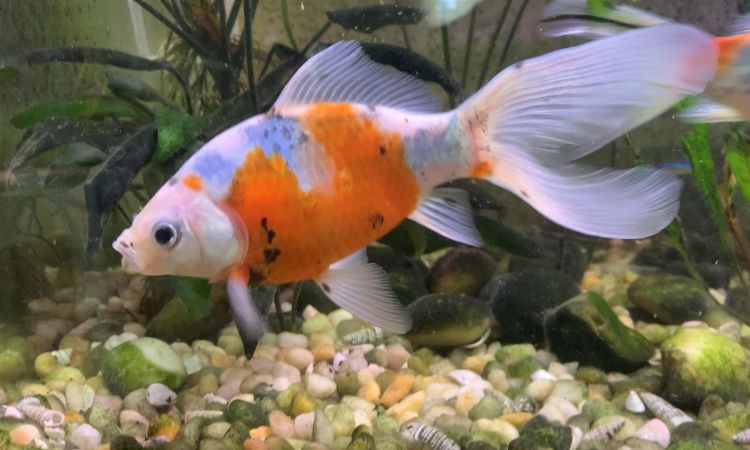
Shubunkins are enthusiastic eaters and produce a surprising amount of waste, which means filtration is one of the most important pieces of equipment in their aquarium or pond.
Choose a filter that can process at least 4 to 6 times the aquarium’s total volume per hour. For example, a 75-gallon aquarium should ideally use filtration rated for roughly 300 to 450 gallons per hour.
A quality filtration system should provide three forms of filtration:
- Mechanical filtration removes uneaten food and solid debris.
- Biological filtration supports beneficial bacteria that convert toxic ammonia into less harmful nitrate.
- Chemical filtration (such as activated carbon, when desired) helps remove dissolved impurities and improve water clarity.
Canister filters, sump systems, and large hang-on-back filters are all excellent choices for indoor aquariums, while outdoor ponds benefit from dedicated pond filters with generous biological media.
Even the best filter cannot replace routine water changes. Performing partial water changes every week or two helps dilute nitrate, replenish minerals, and maintain consistently high water quality.
Substrate, Decor, and Plant Recommendations
Shubunkins spend much of the day exploring the bottom, picking through substrate in search of leftover food and natural snacks.
Smooth gravel with rounded edges is generally the safest choice. If you prefer sand, use aquarium-safe sand that allows the fish to sift through it naturally. Avoid small gravel that can become lodged in the fish’s mouth, as well as sharp decorative stones that may damage fins.
Decor should emphasize open swimming space rather than clutter. Good options include:
- Rounded driftwood
- Smooth river rocks
- Large caves with wide entrances
- Open arches
- Pond-safe ornaments
Avoid decorations with narrow openings or rough edges where fins could become torn or fish could become trapped.
Live plants add beauty while helping improve water quality, although Shubunkins may nibble on softer species. Hardy plants typically hold up best, including:
- Anubias
- Java Fern
- Vallisneria
- Hornwort
- Elodea (Anacharis)
- Bacopa
Floating plants can also provide shade and help reduce algae growth in outdoor ponds.
Aeration and Oxygen Needs
Because Shubunkins are highly active swimmers with relatively high oxygen demands, excellent water circulation is essential.
Fortunately, cooler water naturally holds more dissolved oxygen than warm tropical aquariums. Even so, additional aeration is highly beneficial, especially in heavily stocked tanks or during hot summer weather.
Good oxygenation can be provided through:
- Air stones
- Sponge filters
- Bubble walls
- Filter spray bars
- Waterfalls or fountains in ponds
Proper surface movement allows carbon dioxide to escape while increasing oxygen exchange, helping fish remain active and reducing stress.
Shubunkin Goldfish Diet and Feeding Guide
A balanced diet is essential for healthy growth, vibrant coloration, and a strong immune system. As omnivores, Shubunkins eat both plant and animal matter in the wild, so they thrive on a varied menu rather than a single type of food.
Best Staple Foods (Pellets and Flakes)
A high-quality goldfish pellet should be the foundation of your Shubunkin’s diet. Sinking pellets are generally preferred because they encourage natural foraging behavior and reduce the amount of air swallowed during feeding, which can help minimize buoyancy issues.
You can also feed high-quality flakes, especially to younger fish, but pellets are usually a better choice for adults because they create less waste and retain their nutrients longer.
Look for foods specifically formulated for goldfish that contain balanced protein, healthy fats, vitamins, and plant ingredients.
Supplemental Foods (Vegetables, Live, and Frozen Foods)
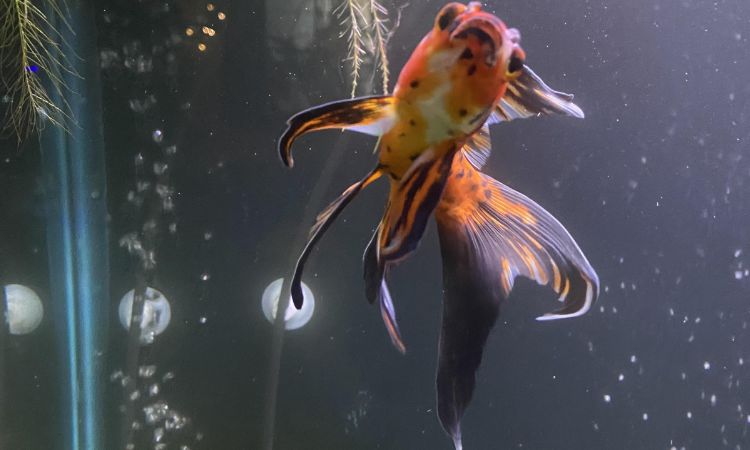
Supplement staple foods with fresh vegetables and occasional protein-rich treats to provide a more complete diet.
Good vegetable options include:
- Shelled green peas
- Blanched spinach
- Zucchini
- Romaine lettuce
- Cucumber
For added protein, offer treats once or twice a week, such as:
- Bloodworms
- Brine shrimp
- Daphnia
- Earthworms
- Mosquito larvae (from safe, parasite-free sources)
These foods encourage natural feeding behaviors and can help improve growth and coloration.
Feeding Frequency and Portion Size
Feed adult Shubunkins 1 to 2 times per day. Juveniles benefit from 2 to 3 smaller meals daily to support rapid growth.
Only offer as much food as the fish can finish in about 2 minutes. Remove any leftovers promptly to prevent excess waste and declining water quality.
As water temperatures cool, Shubunkins naturally become less active and require less food. During very cold weather in outdoor ponds, feeding should be reduced or stopped if water temperatures become too low for normal digestion.
Foods to Avoid
Some foods can cause digestive problems or pollute the aquarium and should be avoided.
Do not feed:
- Bread or crackers
- Processed human foods
- Sugary or salty foods
- Fatty meats
- Large amounts of freeze-dried foods without soaking
- Wild-caught live foods from unknown sources that may carry parasites
Overfeeding is another common mistake. Excess food quickly breaks down into ammonia, reducing water quality and increasing the risk of health problems. Feeding measured portions and maintaining a varied diet will keep your Shubunkins healthy for years to come.