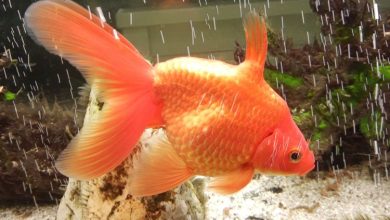
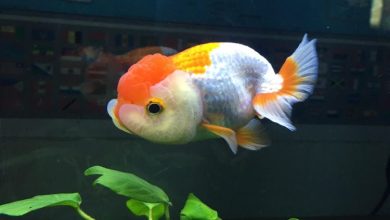
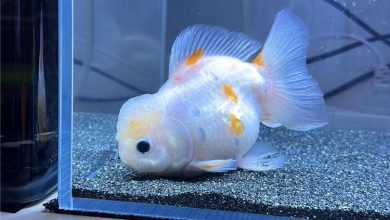
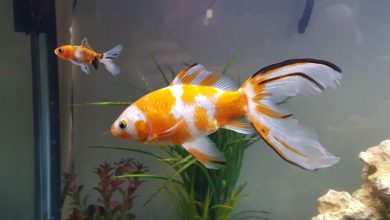
With their graceful fan-shaped tails, rounded bodies, and gentle personalities, Fantail goldfish have earned a special place among the most beloved fancy goldfish varieties. Their elegant appearance and peaceful nature make them a popular choice for both new fish keepers and experienced aquarists. However, their unique body shape and slower swimming ability mean they need a thoughtfully designed environment to stay healthy and thrive.
In this complete Fantail Goldfish Care Guide, you’ll learn everything you need to know about their size, lifespan, ideal tank setup, diet, water requirements, tank mates, and daily care needs.
Quick Overview and Fast Facts
Fantail goldfish (Carassius auratus) are one of the most popular varieties of fancy goldfish, recognized for their graceful split tails, rounded egg-shaped bodies, and peaceful temperament. Unlike the streamlined common goldfish, Fantails have been selectively bred for their compact body shape and elegant finnage, making them slower swimmers that require a carefully planned aquarium setup.
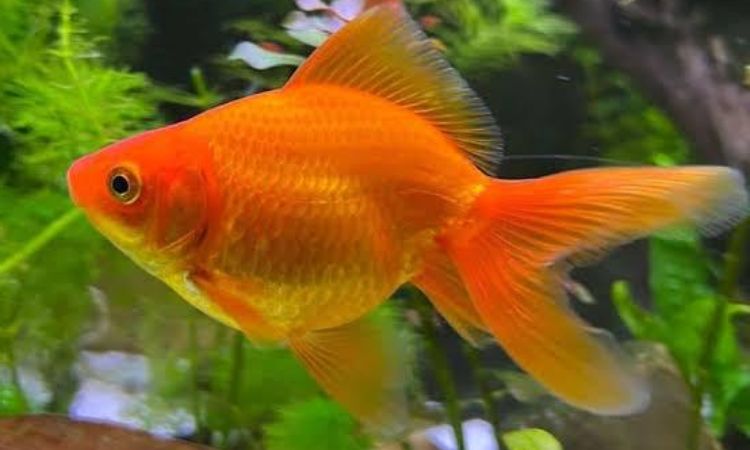
Although they are often recommended for newer fish keepers because of their hardy nature, Fantails still need proper care to thrive. Their heavy body shape makes them more vulnerable to buoyancy problems, and their high waste production means excellent filtration and regular maintenance are essential.
With the right environment, a balanced diet, and stable water conditions, Fantail goldfish can become long-term aquatic companions, often living 10–15 years or more.
| Category | Details |
| Common Name | Fantail Goldfish, Double-Tail Goldfish |
| Scientific Name | Carassius auratus |
| Type | Fancy freshwater goldfish |
| Origin | China and Japan (East Asia) |
| Adult Size | Around 6–7 inches (15–18 cm), with some reaching larger sizes |
| Lifespan | 10–15+ years with proper care |
| Temperament | Peaceful, social, and generally calm |
| Swimming Ability | Slow compared with single-tail goldfish due to body shape and double tail |
| Minimum Tank Size | About 20 gallons for one adult; larger aquariums are recommended for multiple fish |
| Water Temperature | Approximately 65–75°F (18–24°C), with stable conditions preferred |
| pH Range | Around 6.5–8.0 |
| Diet | Omnivorous; quality goldfish pellets, vegetables, and occasional frozen foods |
| Feeding Style | Small portions once or twice daily |
| Tank Level | Primarily middle and lower areas of the aquarium |
| Breeding Type | Egg scatterer with adhesive eggs |
| Ideal Tank Mates | Other fancy goldfish with similar swimming abilities |
Fantail Goldfish Size and Growth Expectations
Fantail goldfish may look small and delicate when you first bring one home, but these elegant fancy goldfish can grow into surprisingly large and impressive fish when given proper care. Their rounded body shape, flowing double tail, and compact appearance often make beginners underestimate how much space they need as adults.
Unlike the common belief that goldfish “only grow as large as their tank,” Fantails have a natural growth potential determined by genetics, nutrition, water quality, and overall health. A spacious, well-maintained environment allows them to develop their full body shape, while overcrowded or poorly maintained conditions can limit growth and create long-term health problems.
How Big Do Fantail Goldfish Get?
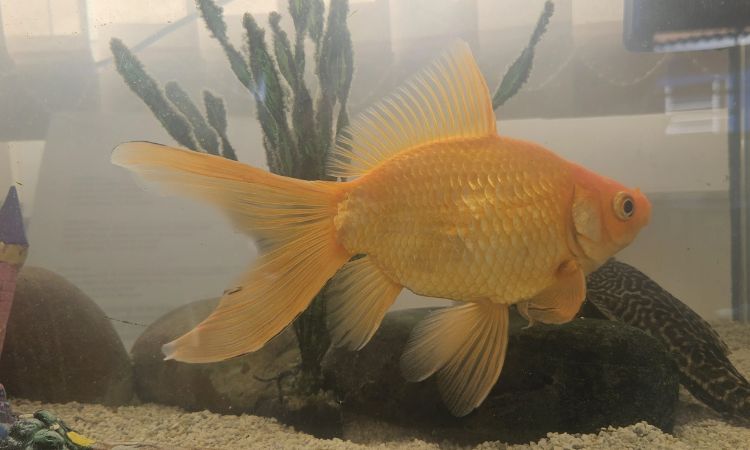
A healthy adult Fantail goldfish typically reaches around 6–8 inches (15–20 cm) in total body length, although exceptional specimens can grow larger when raised in large aquariums or ponds with excellent care. Their body itself is usually shorter and deeper compared to single-tailed goldfish, giving them a rounded, egg-shaped appearance.
The flowing tail adds extra length and visual size, but the body development is what shows the true quality of a Fantail. Well-raised fish often develop a broad, symmetrical body, strong fins, and a balanced swimming posture.
In outdoor ponds, Fantails may have the opportunity to reach their maximum size because they benefit from:
- Larger swimming areas
- More stable water conditions
- Natural sunlight cycles
- Increased access to natural foods and microorganisms
However, ponds are only suitable when they provide proper filtration, protection from predators, and stable temperatures. Fantails are slower swimmers than common goldfish, so they can struggle in ponds with aggressive or fast-moving fish.
Growth Rate Factors
A Fantail goldfish’s growth is influenced by several important factors. Two fish of the same age can develop very differently depending on their living conditions.
Water Volume and Water Quality
Space plays a major role in healthy growth, but it is not because the fish physically “matches” the size of the tank. Larger aquariums simply provide more stable conditions, allowing the fish to use energy for growth instead of constantly dealing with stress.
A properly sized tank helps maintain:
- Lower ammonia and nitrite levels
- More stable water parameters
- Better oxygen availability
- Reduced competition for resources
Because goldfish produce a significant amount of waste, regular maintenance is essential. Frequent partial water changes and effective filtration help prevent poor water quality, which can slow growth and weaken the immune system.
A small, overcrowded aquarium may not immediately stop a Fantail from growing, but chronic stress and unhealthy water conditions can lead to stunted development, deformities, and a shorter lifespan.
Nutrition During Early Growth
The first year of a Fantail goldfish’s life is especially important because this is when much of its body development occurs. Young Fantails need a balanced diet rich in quality protein to support muscle growth, fin development, and proper body formation.
Good growth nutrition includes:
- High-quality goldfish pellets designed for fancy varieties
- Small sinking pellets that are easy to digest
- Frozen or live treats such as bloodworms, daphnia, and brine shrimp
- Occasional vegetables such as blanched peas or spinach for added fiber
Young fish generally require more frequent feeding than adults, but portions should remain controlled. Overfeeding does not create healthier growth—it mainly increases waste production and raises the risk of digestive issues.
Debunking the “Goldfish Grow to the Size of Their Tank” Myth
One of the most common misconceptions about goldfish is that they naturally stop growing when they reach the size of their aquarium. While it is true that poor conditions can limit their size, this is not a healthy adaptation.
Goldfish do not intentionally adjust their growth to fit their environment. Instead, inadequate space, poor water quality, and insufficient nutrition can interfere with normal development. This condition is known as stunting.
A stunted Fantail may appear smaller externally, but its internal organs can continue developing improperly, leading to serious health concerns such as:
- Increased susceptibility to disease
- Deformed body shape
- Poor swimming ability
- Reduced lifespan
- Chronic stress
Providing enough space from the beginning allows your Fantail to grow naturally and develop the beautiful rounded body and flowing fins that make this variety so popular.
Fantail Goldfish Lifespan and Health Factors
Fantail goldfish are known for their charming appearance, peaceful personality, and impressive longevity when cared for properly. While many people think of goldfish as short-lived pets, a healthy Fantail can actually become a long-term companion with the right environment, diet, and routine maintenance.
Average Lifespan of Fantail Goldfish
With proper care, Fantail goldfish typically live 10–15 years in a well-maintained aquarium. Some exceptionally healthy individuals can live 20 years or more when provided with excellent water quality, a spacious habitat, and a balanced diet.
A Fantail’s lifespan depends heavily on the quality of care it receives throughout its life. Genetics play a role, but daily habits such as maintaining clean water, avoiding overfeeding, and providing enough swimming space have a much greater impact on whether a fish thrives or struggles.
Unlike many small aquarium fish that only live for a few years, Fantails are a long-term commitment. Giving them proper care from the beginning can reward you with years of watching their unique personalities and graceful swimming behavior develop.
Primary Causes of Premature Death in Fantail Goldfish
Although Fantails are considered one of the hardier fancy goldfish varieties, they are still vulnerable to several common problems. Most early deaths are not caused by the fish itself but by preventable mistakes in tank setup, water management, or feeding.
Ammonia and Nitrite Toxicity in Uncycled Tanks
One of the biggest dangers for new goldfish keepers is adding Fantails to an aquarium that has not completed the nitrogen cycle.
Goldfish produce a large amount of waste, which breaks down into ammonia—a highly toxic substance that can damage their gills, skin, and internal organs. In a properly cycled aquarium, beneficial bacteria convert ammonia into nitrite and then into the less harmful nitrate. However, a new tank without an established biological filter cannot process these toxins effectively.
Exposure to ammonia or nitrite can cause:
- Gasping near the water surface
- Red or irritated gills
- Lethargy
- Loss of appetite
- Increased risk of infections
- Sudden death in severe cases
Testing water regularly and allowing the aquarium to fully cycle before adding fish are essential steps for protecting your Fantail’s health.
Poor Nutrition and Swim Bladder Complications
Fantail goldfish have a compact, rounded body shape that makes them more prone to buoyancy issues compared with slim-bodied goldfish varieties. While swim bladder problems are not always caused by diet, poor feeding practices can increase the risk.
Common dietary mistakes include:
- Feeding too many dry flakes that encourage surface gulping
- Overfeeding
- Providing low-quality food lacking proper nutrients
- Offering too little fiber
Floating food can cause some Fantails to swallow excess air while eating, which may contribute to floating problems. Many keepers prefer high-quality sinking pellets because they allow fish to feed naturally without repeatedly coming to the surface.
A balanced diet containing quality goldfish pellets, occasional frozen foods like bloodworms or daphnia, and fiber-rich vegetables such as peas can support healthy digestion and reduce the chance of digestive complications.
Stunted Growth Due to Cramped Tanks
A common misconception is that goldfish remain small because they “grow to the size of their tank.” In reality, inadequate space does not create healthy size control—it prevents normal development.
Keeping Fantails in small or overcrowded aquariums can lead to:
- Poor body development
- Chronic stress
- Increased waste buildup
- Weakened immune function
- Higher risk of disease
Because goldfish continuously produce waste, small tanks can quickly experience unstable water conditions. Even if a fish survives, long-term exposure to poor conditions can shorten its lifespan and prevent it from reaching its natural adult size.
Providing a spacious aquarium with strong filtration, regular water changes, and proper stocking levels gives a Fantail the best chance to grow normally and live a long, healthy life.
Ideal Tank Setup for Fantail Goldfish
Creating the right aquarium environment is one of the most important steps in keeping Fantail goldfish healthy and thriving. Although Fantails are considered one of the more beginner-friendly fancy goldfish varieties, their rounded bodies, flowing fins, and slower swimming ability mean they need a setup designed around their unique needs.
A good Fantail goldfish tank should provide plenty of swimming space, excellent filtration, stable water conditions, and a safe layout without sharp decorations that could damage their delicate fins. With the right foundation, these graceful fish can remain active, colorful, and healthy for many years.
Minimum Tank Size Requirements
Fantail goldfish need much more space than their small size at the pet store suggests. Juvenile Fantails may look comfortable in a small aquarium at first, but they grow quickly and produce a significant amount of waste as adults.
A suitable starting point is:
- 20 gallons (75 liters) or larger for one adult Fantail goldfish
- An additional 10–20 gallons for each additional fish
A larger aquarium is always beneficial because it provides:
- More stable water parameters
- Better oxygen levels
- More room for natural swimming behavior
- Less rapid buildup of ammonia and waste
Longer tanks are generally preferred over tall, narrow aquariums because Fantails are not strong swimmers. Their compact bodies and flowing tails make horizontal swimming space more valuable than extra height.
Avoid keeping Fantails in bowls or very small containers. These setups often lead to:
- Poor water quality
- Rapid ammonia buildup
- Stress and weakened immunity
- Stunted growth
- Shortened lifespan
A properly sized aquarium allows your Fantail to develop its rounded body shape and maintain good overall health.
Filtration Requirements
Fantail goldfish are beautiful, but they are also messy fish. Like other goldfish varieties, they produce a large amount of waste, making efficient filtration essential.
A good filtration system should include both mechanical and biological filtration.
Mechanical Filtration
Mechanical filtration removes visible debris such as:
- Uneaten food
- Fish waste
- Plant matter
- Floating particles
Filter sponges, filter floss, and other fine media help keep the aquarium cleaner and improve water clarity.
Biological Filtration
Biological filtration supports beneficial bacteria that break down toxic waste compounds.
These bacteria help convert:
- Ammonia → Nitrite → Nitrate
Since ammonia and nitrite are highly dangerous to fish, maintaining a mature biological filter is one of the most important parts of Fantail goldfish care.
Good filter choices include:
- Canister filters
- Hang-on-back filters
- Large sponge filters
- High-capacity aquarium filters designed for heavy bioloads
Choose a filter rated for a larger aquarium than your actual tank size when possible. Goldfish create more waste than many other freshwater fish, so extra filtration capacity provides a helpful safety margin.
Regular maintenance is still necessary. Even the best filter cannot replace routine care, including:
- Weekly partial water changes
- Removing debris from the substrate
- Testing ammonia, nitrite, and nitrate levels
Water Flow Considerations
While filtration is important, Fantail goldfish do not appreciate extremely strong currents.
Their round bodies and flowing fins make them slower swimmers compared with single-tailed goldfish varieties. A powerful filter output can force them to constantly fight the current, causing unnecessary stress and exhaustion.
The ideal setup provides:
- Good water circulation
- Strong oxygen exchange
- Gentle movement throughout the tank
If your filter creates too much flow, you can reduce the impact by:
- Using a spray bar attachment
- Adjusting the filter output
- Adding plants or decorations to break up strong currents
- Using a sponge pre-filter
A calm but well-oxygenated aquarium allows Fantails to swim comfortably while still benefiting from proper filtration.
Adding an air stone connected to an air pump can also improve oxygen levels, especially in warmer water or heavily stocked tanks.
Substrate Choices
The substrate at the bottom of the aquarium is not just for appearance—it also affects maintenance and fish safety.
Good substrate options for Fantail goldfish include:
Smooth Gravel
Rounded gravel is a popular choice because it provides a natural appearance while allowing beneficial bacteria to colonize the surface.
Choose gravel pieces that are:
- Smooth-edged
- Too large to swallow
- Easy to clean
Avoid sharp gravel that could damage their delicate fins or body.
Sand
Fine aquarium sand is another excellent option. Many Fantails enjoy gently searching through sand for leftover food, which provides natural foraging behavior.
Benefits of sand include:
- Soft surface
- Reduced injury risk
- Attractive appearance
- Easy digging behavior for goldfish
However, sand requires proper maintenance because debris can collect on the surface if water circulation is poor.
Bare Bottom Tanks
Some keepers choose bare-bottom aquariums because they are easier to clean and allow waste to be removed quickly.
This can work well for:
- Breeding setups
- Hospital tanks
- High-maintenance goldfish systems
However, many hobbyists prefer adding substrate because it creates a more natural-looking environment.
Plants and Decoration Safety
Fantail goldfish are curious fish that enjoy exploring their surroundings, but decorations must be chosen carefully. Their long fins and rounded bodies can easily become damaged by rough surfaces or sharp objects.
Safe Decoration Choices
Good options include:
- Smooth rocks
- Rounded driftwood
- Silk plants
- Soft live plants
- Goldfish-safe ornaments without sharp edges
Always check decorations by running your hand over them before adding them to the tank. If something feels rough or catches on your skin, it may injure your fish.
Choosing Aquarium Plants
Live plants can provide additional benefits, including:
- Natural appearance
- Extra oxygen production
- Surface area for beneficial bacteria
- Environmental enrichment
Hardy plants that can work with goldfish include:
- Anubias
- Java fern
- Hornwort
- Amazon sword plants
However, Fantails may nibble on softer plants, so choose varieties that can tolerate grazing.
Avoid Overcrowding the Tank
Leave plenty of open swimming space. Fantails are slower-moving fish and need room to move comfortably without navigating through dense decorations.
Avoid:
- Sharp artificial castles
- Rough rocks
- Plastic plants with hard edges
- Small openings where fish can become trapped
A simple layout with open swimming areas, gentle decorations, and good filtration often creates the healthiest environment for Fantail goldfish.
With the right tank size, efficient filtration, gentle water movement, and a safe aquascape, your Fantail goldfish will have the ideal foundation for a long and healthy life.
Diet and Feeding Guidelines
Nutritional Requirements
Fantail goldfish are omnivores, which means they need a balanced diet that combines both animal-based proteins and plant ingredients. Because of their compact, rounded body shape, they benefit from foods that provide steady nutrition without causing digestive stress. A quality diet should include enough protein for growth and tissue repair, along with fiber from plant sources to support healthy digestion and reduce the risk of constipation.
Unlike wild carp that naturally graze on plants, insects, and small organisms throughout the day, aquarium-kept fantails rely entirely on the food provided by their owner. Offering variety helps ensure they receive essential nutrients while also encouraging natural foraging behavior.
Best Foods for Fantail Goldfish
High-quality sinking goldfish pellets are one of the best staple foods for fantail goldfish. Unlike floating flakes, sinking pellets encourage fish to feed naturally from the middle or bottom of the aquarium instead of repeatedly rushing to the surface and swallowing excess air. This is especially important for fancy goldfish varieties like fantails, which are already more prone to buoyancy problems because of their rounded body shape.
Gel foods are another excellent option for fantail goldfish because they are soft, easy to digest, and can be customized with a mixture of protein, vegetables, and supplements. Many experienced goldfish keepers use gel diets as part of a regular feeding routine because they are less likely to cause digestive blockages compared with some dry foods.
Fresh vegetables can provide valuable fiber and should be offered as occasional supplements. Suitable choices include deshelled peas, spinach, and zucchini slices. Vegetables should always be softened by blanching first, making them easier for fantails to consume and digest.
Freeze-dried and live foods can add extra variety and enrichment to their diet. Foods such as bloodworms, brine shrimp, and daphnia are excellent sources of protein, but they should only be given occasionally rather than becoming the main part of the diet. Too much rich food can contribute to digestive issues and poor water quality.
Feeding Frequency and Quantity
Fantail goldfish should generally be fed once or twice daily, depending on their age, activity level, and water temperature. Each feeding should be small, with only enough food provided that the fish can finish within about two minutes.
Overfeeding is one of the most common mistakes among goldfish keepers. Uneaten food quickly breaks down and increases ammonia levels, while excessive calories can lead to obesity, digestive problems, and reduced water quality. It is better to provide slightly less food and adjust the amount gradually based on your fish’s condition and behavior.
Young fantails that are still growing may require more frequent meals with higher nutritional value, while adult fish usually do well with a consistent feeding schedule and controlled portions.
Preventing Swim Bladder Disease
Fantail goldfish are more vulnerable to swim bladder issues because their short, rounded bodies place pressure on their internal organs. Diet plays an important role in preventing buoyancy problems, and choosing the right foods can make a significant difference.
Floating flakes are often less suitable as a primary diet because they encourage surface feeding. When fantails repeatedly gulp air while eating, they may swallow excess air that contributes to floating, tilting, or difficulty maintaining normal swimming posture. Sinking pellets or gel foods are generally safer alternatives because they allow fish to feed without constantly breaking the water’s surface.
A regular fasting routine can also support digestive health. Many keepers choose to skip feeding for one day each week, allowing the fish’s digestive system time to clear naturally. During periods of constipation or mild buoyancy issues, offering blanched, deshelled peas can provide additional fiber to help move food through the digestive tract.