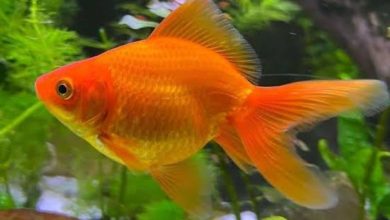
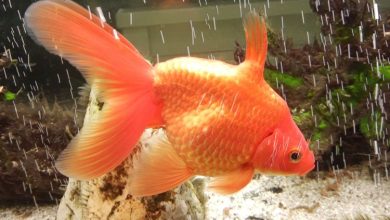
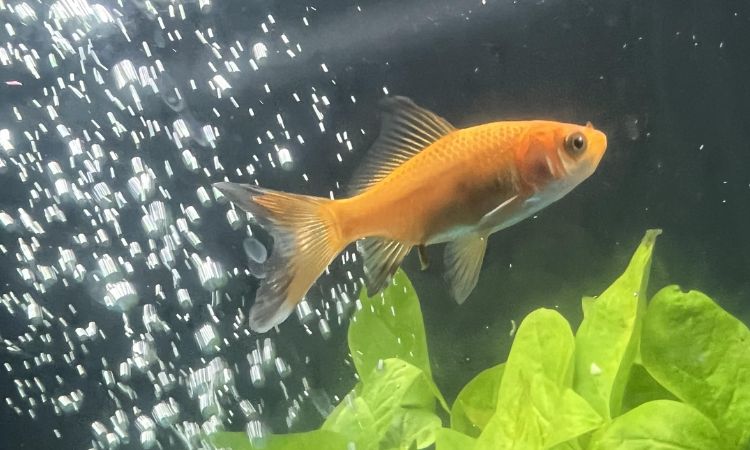
Small enough to fit in many pet store tanks but capable of growing into an impressive pond fish, the Comet Goldfish is often misunderstood. Famous for its flowing tail, energetic personality, and remarkable hardiness, this classic single-tailed goldfish can thrive for decades when given the space and care it truly needs.
Whether you’re setting up your first aquarium or planning a backyard pond, this complete Comet Goldfish Care Guide covers everything you need to know about size, lifespan, tank size, diet, temperament, and long-term care to help your fish live a healthy, vibrant life.
Comet Goldfish Overview & Fast Facts
The Comet Goldfish (Carassius auratus) is one of the most popular and widely recognized goldfish varieties in the world. Originally developed in the United States during the late 1800s from the common goldfish, this variety is admired for its streamlined body, graceful single tail, and long, deeply forked fins that create an elegant flowing appearance as it swims.
Unlike many fancy goldfish, Comets are energetic, fast-moving fish that thrive in spacious environments. Their hardiness, adaptability, and friendly temperament make them an excellent choice for beginners, while their impressive adult size and long lifespan continue to appeal to experienced fish keepers. Although they’re often sold as tiny juveniles, Comet Goldfish grow rapidly under proper care and eventually require far more space than most people expect. A large aquarium can work during their early years, but a well-maintained outdoor pond is typically the ideal long-term home where they can reach their full size and natural lifespan.
Comet Goldfish Fast Facts
| Metric | Details |
| Scientific Name | Carassius auratus |
| Care Level | Easy to Moderate |
| Adult Size | 12–14 inches (30–35 cm), occasionally larger in spacious ponds |
| Minimum Tank Size | 50–75 gallons for one adult (outdoor pond preferred for long-term care) |
| Lifespan | 10–20+ years with proper care, with some individuals living even longer |
| Water Temperature | 60–75°F (15–24°C) |
| Diet | Omnivore (high-quality sinking pellets, vegetables, aquatic plants, frozen foods, and occasional live foods) |
Physical Characteristics & Growth
Comet Goldfish are often sold as tiny juveniles only a few inches long, but don’t let their small size fool you. These fish are among the largest commonly kept goldfish varieties and continue growing for many years when given the space, nutrition, and water quality they need. Their slender body, long flowing fins, and deeply forked tail also make them noticeably faster and more active than round-bodied fancy goldfish.
Comet Goldfish Size & Growth Rate
A healthy adult Comet Goldfish typically reaches 12 to 14 inches (30 to 35 cm) in length, although exceptionally well-kept pond fish may grow even larger. Their final size depends on genetics, diet, water quality, stocking density, and, most importantly, the amount of swimming space available.
Growth is fastest during the first two years of life. Under ideal conditions, a typical growth pattern looks like this:
| Age | Typical Size |
| Newly purchased juvenile | 2–4 inches |
| 6–12 months | 4–6 inches |
| 1–2 years | 6–10 inches |
| 3–5+ years | 10–14 inches or more |
Young Comets require a nutrient-rich diet and excellent water quality to support healthy skeletal and muscle development. As they mature, growth naturally slows, but they may continue gaining length and body mass for several years.
One of the biggest misconceptions in fishkeeping is that goldfish only grow to the size of their tank. In reality, they do not naturally regulate their size based on their aquarium. Instead, cramped conditions cause stunted growth, where the fish’s outward growth slows while many internal organs continue developing. This imbalance places tremendous stress on the heart, liver, kidneys, and other organs, leading to chronic health problems, weakened immunity, deformities, and a significantly shorter lifespan.
Rather than remaining “small,” a stunted Comet Goldfish is simply an unhealthy fish that has been prevented from reaching its normal potential. Providing a large aquarium or, ideally, an outdoor pond allows the fish to grow naturally while maintaining proper body proportions and overall health.
Comet Goldfish Lifespan
Comet Goldfish are remarkably long-lived pets when cared for properly. While many people expect them to live only a few years, healthy individuals can remain active companions for well over a decade.
In most home aquariums, a well-maintained Comet Goldfish commonly lives 10 to 15 years. Fish housed in spacious outdoor ponds with stable water conditions frequently reach 15 to 20 years or more, and exceptional specimens have been documented living even longer.
Several key factors determine how long a Comet Goldfish will live:
- Water quality: Stable ammonia- and nitrite-free water with regular maintenance is essential for long-term health.
- Adequate space: Large tanks or ponds reduce chronic stress, improve swimming activity, and support normal growth.
- Proper nutrition: A varied omnivorous diet rich in quality pellets and fresh vegetables helps maintain digestive health and immune function.
- Strong filtration and oxygenation: Comets produce substantial waste, making efficient biological filtration critical.
- Genetics: Fish from healthy breeding lines generally have better growth potential and disease resistance.
- Consistent husbandry: Regular water changes, appropriate stocking levels, and prompt treatment of illness all contribute to a longer lifespan.
With enough room to swim, excellent water quality, and a balanced diet, a Comet Goldfish can become a long-term companion, rewarding dedicated fish keepers with years of vibrant color, energetic behavior, and engaging personality.
Habitat & Tank Setup
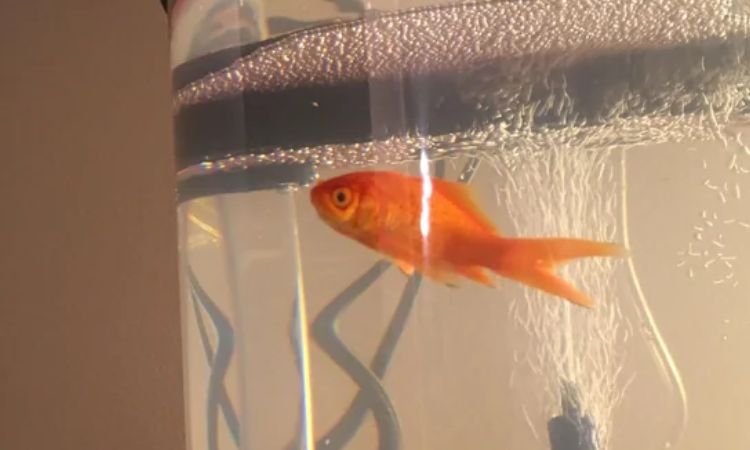
Providing the right environment is one of the most important parts of Comet Goldfish care. These fish are hardy and forgiving of minor mistakes, but they are also highly active, produce a significant amount of waste, and eventually become much larger than most beginners expect. A spacious, well-filtered habitat allows them to grow properly, stay healthy, and display their natural behavior for many years.
Comet Goldfish Tank Size Requirements
One of the most common mistakes new owners make is keeping Comet Goldfish in bowls or small starter aquariums. While a juvenile may seem comfortable in a small tank for a short period, Comets quickly outgrow these setups. Limited swimming space and declining water quality often lead to chronic stress, stunted growth, and preventable health problems.
For long-term success, plan your aquarium around the fish’s adult size rather than its current size.
Here are the general recommendations:
| Number of Comet Goldfish | Recommended Aquarium Size |
| 1 adult | 50–75 gallons |
| 2 adults | 90–125 gallons |
| 3 adults | 150+ gallons |
| Outdoor pond | Preferred for multiple adults |
Outdoor ponds are widely considered the ideal home for adult Comet Goldfish. The larger water volume provides greater stability, better oxygen levels, and ample room for continuous swimming. A pond of at least 100 to 200 gallons with a depth of 2 to 3 feet offers an excellent long-term environment, especially in regions with suitable climates.
If you keep Comets indoors, choose a long aquarium rather than a tall one. Their streamlined bodies and energetic swimming style make horizontal space much more valuable than extra height.
Ideal Water Parameters & Filtration
Although Comet Goldfish are resilient, they still depend on clean, stable water to remain healthy. Because they eat frequently and produce heavy waste, maintaining excellent water quality is far more important than chasing exact water chemistry numbers.
Aim for the following water parameters:
| Parameter | Recommended Range |
| Temperature | 60–75°F (15–24°C) |
| pH | 6.5–8.5 |
| General Hardness | 5–12 dGH |
| Ammonia | 0 ppm |
| Nitrite | 0 ppm |
| Nitrate | Ideally below 20–40 ppm |
While Comets tolerate cooler temperatures than tropical fish, sudden temperature swings should always be avoided. Stable conditions reduce stress and strengthen the immune system.
Filtration is equally critical. Goldfish generate considerably more waste than many tropical species, so their filter should comfortably handle the aquarium’s biological load.
For best results, choose a filtration system capable of turning over the entire aquarium volume at least four to six times per hour. Canister filters and oversized hang-on-back filters are popular choices because they provide strong mechanical, biological, and chemical filtration without taking up much swimming space.
Additional aeration is also beneficial. Air stones, sponge filters, or increased surface agitation help maintain dissolved oxygen levels, particularly during warmer months when oxygen naturally declines.
Routine maintenance should include:
- Weekly testing for ammonia, nitrite, nitrate, and pH.
- Water changes of approximately 25–40% each week, depending on stocking levels.
- Gravel vacuuming to remove accumulated waste.
- Rinsing filter media in old tank water rather than tap water to preserve beneficial bacteria.
Consistent maintenance keeps the nitrogen cycle stable and dramatically reduces the risk of disease.
Substrate, Plants, and Decoration Options
Comet Goldfish spend much of their day exploring the bottom of the aquarium, sifting through substrate in search of food. Choosing safe materials allows them to forage naturally without risking injury.
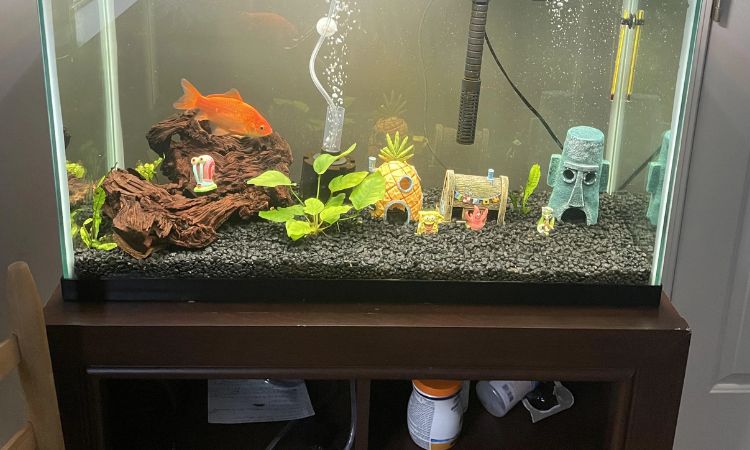
Fine sand is often the safest substrate because it closely mimics natural conditions and cannot become lodged in the fish’s mouth. Smooth gravel also works well, provided the pieces are too large to be swallowed. Avoid sharp gravel or decorations with rough edges that could damage their delicate fins.
When selecting plants, remember that Comets are enthusiastic diggers and occasional plant nibblers. Many soft-leaved species are quickly uprooted or eaten.
Good choices include hardy plants such as:
- Anubias
- Java fern
- Hornwort
- Vallisneria
- Duckweed (often consumed as supplemental food)
Attaching plants to rocks or driftwood instead of planting them directly into the substrate can help prevent uprooting.
Decorations should enhance the aquarium without restricting swimming space. Smooth driftwood, rounded stones, and sturdy ornaments create visual interest while leaving large open areas for exercise. Avoid narrow caves or decorations with small openings where a growing fish could become trapped.
Feeding & Nutrition
A balanced diet is one of the biggest factors in keeping Comet Goldfish healthy, active, and long-lived. While these fish have hearty appetites and rarely refuse a meal, feeding the right foods in the proper amounts is far more important than simply offering food frequently. A varied diet supports healthy growth, vibrant coloration, strong immunity, and proper digestion.
What Do Comet Goldfish Eat?
Comet Goldfish are omnivores, meaning they naturally consume both plant and animal matter. In ponds and natural waterways, they spend much of the day foraging through the substrate for algae, aquatic plants, insect larvae, small crustaceans, worms, and other edible material. This constant grazing behavior should be reflected in their captive diet.
A high-quality sinking goldfish pellet should serve as the foundation of their nutrition. Pellets formulated specifically for goldfish provide a balanced mix of protein, carbohydrates, vitamins, minerals, and fiber to support long-term health.
Whenever possible, choose sinking pellets instead of floating flakes. Floating foods encourage goldfish to feed at the surface, where they often swallow excess air along with their meal. Over time, this can contribute to digestive discomfort, bloating, and buoyancy problems in some fish. Sinking pellets allow Comets to feed more naturally throughout the water column and along the bottom.
To add variety and additional nutrients, offer fresh vegetables several times each week. Excellent options include:
- Shelled green peas (skins removed)
- Blanched zucchini slices
- Blanched spinach
- Romaine lettuce
- Duckweed
- Soft aquatic plants
Vegetables provide valuable fiber that supports healthy digestion and may help reduce the risk of constipation, a common problem in goldfish.
Protein-rich foods should be treated as occasional supplements rather than daily staples. Frozen or freeze-dried foods such as:
- Bloodworms
- Brine shrimp
- Daphnia
- Mysis shrimp
provide excellent enrichment and help mimic the varied diet Comet Goldfish would encounter in nature. However, because these foods are relatively rich, they should only be offered once or twice per week in small portions.
Avoid feeding bread, crackers, processed human foods, or excessive amounts of high-fat treats. These foods offer little nutritional value and can quickly foul the aquarium.
Feeding Schedule and Portion Control
Comet Goldfish are enthusiastic eaters and will often behave as though they’re hungry, even immediately after finishing a meal. It’s important not to mistake this natural behavior for genuine hunger.
For most healthy adults, feeding once or twice per day is ideal. Juveniles that are actively growing may benefit from two smaller meals daily, while many adult fish thrive on a single well-balanced feeding.
A simple guideline used by many experienced aquarists is the 2-minute rule. Offer only as much food as your fish can completely consume within about two minutes. If food remains after that time, you’ve likely fed too much.
Overfeeding is one of the most common causes of health problems in goldfish. Excess food can lead to:
- Constipation
- Swim bladder and buoyancy disorders
- Obesity
- Increased ammonia production
- Poor water quality
- Algae growth
- Higher risk of bacterial and fungal infections
Uneaten food should always be removed promptly to prevent it from decomposing and polluting the water.
Many experienced keepers also include an occasional fasting day every week or two for healthy adult Comet Goldfish. While not essential, this practice may help clear the digestive system and reduce the likelihood of digestive issues, particularly in fish that receive rich treats regularly.