A beautifully aquascaped aquarium isn’t just about choosing healthy plants—it’s about placing them where they’ll create balance, depth, and a natural flow. While foreground carpets and towering background stems often steal the spotlight, the middle section is what ties the entire layout together. The right midground aquarium plants soften harsh transitions, frame driftwood and rocks, conceal equipment, and add layers that make even a simple aquascape feel polished and lifelike.
Whether you’re designing your first planted tank or refining an established aquascape, selecting the best midground aquarium plants can dramatically improve the final result. In this guide, we’ll explore 10 outstanding midground species that offer a mix of colors, textures, and growth habits, helping you create a balanced underwater landscape that’s both beautiful and easy to maintain.
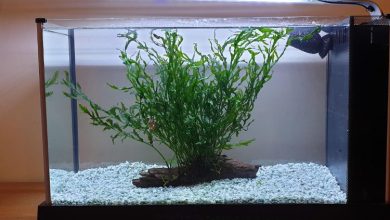
1. Java Fern (Microsorum pteropus)
Best For – Low-maintenance setups and beginner aquascapers.
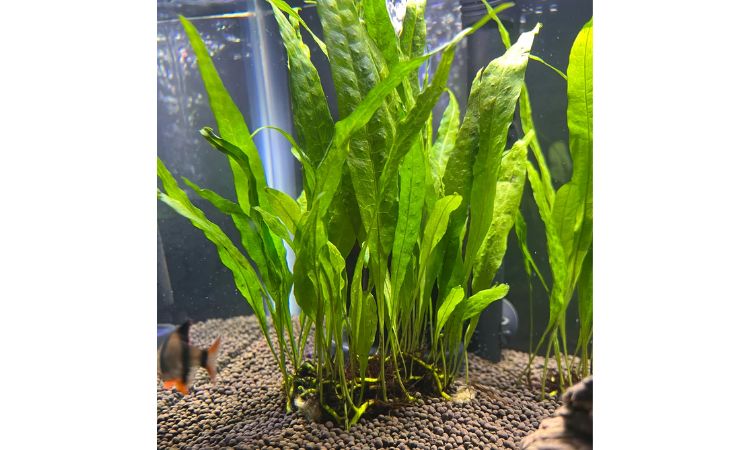
Java Fern has earned its reputation as one of the easiest aquatic plants to grow. Native to Southeast Asia, this hardy epiphyte naturally grows attached to rocks, driftwood, and submerged tree roots rather than rooting directly into the substrate. Its ability to tolerate a wide range of aquarium conditions makes it a dependable choice for community tanks, low-tech planted aquariums, and beginner aquascapes.
Several cultivated forms are available, including Narrow Leaf, Windelov, Trident, and Needle Leaf Java Fern, each offering slightly different textures while sharing similar care requirements.
Key Features
Java Fern produces long, bright to dark green leaves that create gentle movement in the current without overwhelming surrounding plants. Mature specimens develop dense clumps that naturally fill open areas in the middle of the aquarium, making them excellent for softening hardscape or concealing equipment.
Additional advantages include:
- Grows well in low to moderate lighting
- Does not require nutrient-rich substrate
- Tolerates a broad range of water conditions
- Suitable for low-tech aquariums without CO₂ injection
- Compatible with most peaceful community fish
Because it grows slowly, Java Fern generally requires minimal pruning compared to stem plants.
Care Tip
Never bury the rhizome beneath the substrate. The thick horizontal stem should remain exposed and be attached to driftwood or stone using cotton thread, fishing line, or aquarium-safe cyanoacrylate gel. Once established, the roots naturally anchor themselves to the hardscape while the rhizome continues producing new leaves.
2. Anubias Nana Petite
Best For – Nano tanks and precise detail work around driftwood joints.
Anubias Nana Petite is one of the smallest members of the Anubias genus, making it especially valuable for nano aquariums and highly detailed aquascapes. Its compact growth allows aquascapers to highlight rocks, wood, and pathways without obscuring other design elements.
Like Java Fern, it is an epiphyte and naturally grows attached to hard surfaces instead of buried in substrate.

Key Features
The plant develops thick, dark green leaves that rarely exceed an inch in length. Despite its delicate appearance, the foliage is remarkably durable and resists damage from many fish that might nibble softer plants.
Notable characteristics include:
- Extremely compact growth
- Very slow maintenance requirements
- Excellent for attaching to driftwood, lava rock, or branch tips
- Ideal for nano aquascapes and nature-style layouts
- Provides small grazing surfaces for shrimp and biofilm-feeding invertebrates
Because of its slow growth, Anubias Nana Petite maintains its shape for long periods without frequent trimming.
Care Tip
Position the plant where it receives moderate or indirect lighting whenever possible. Strong light combined with slow leaf production can encourage green spot algae to develop on older leaves. Maintaining stable nutrients and avoiding excessive light intensity helps keep the foliage clean.
3. Cryptocoryne wendtii
Best For – Adding lush, bushy volume directly in the substrate.
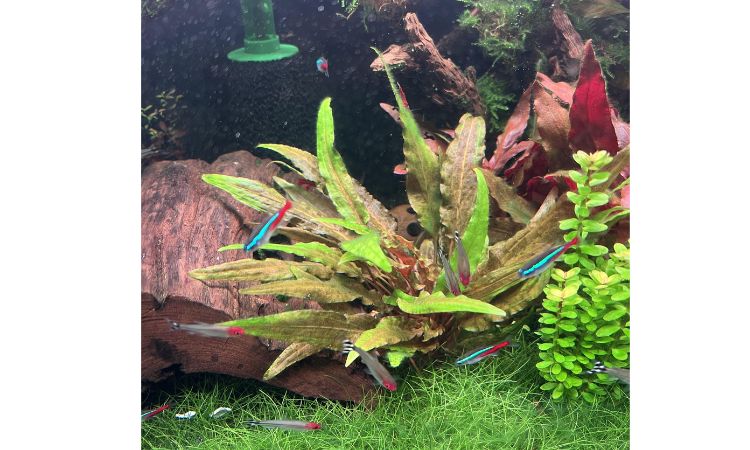
Cryptocoryne wendtii remains one of the most versatile root-feeding plants available to freshwater hobbyists. Available in Green, Bronze, Brown, and Red forms, it provides attractive color variation while maintaining a manageable size suitable for the middle section of most aquariums.
Unlike epiphytes, Cryptocoryne develops an extensive root system that benefits from a nutrient-rich substrate.
Key Features
Once established, Cryptocoryne wendtii forms dense rosettes of gently undulating leaves that create a natural transition between foreground carpeting plants and taller background vegetation.
Its popularity comes from several practical advantages:
- Adapts well to soft or moderately hard water
- Performs under low to moderate lighting
- Available in multiple color varieties
- Requires relatively little trimming
- Suitable for community aquariums and low-tech planted tanks
Individual plants gradually expand into attractive clumps, creating a mature, natural appearance over time.
Care Tip
Many newly planted Cryptocorynes experience temporary leaf loss, commonly called Crypt melt, as they adjust to new water conditions. This is a normal acclimation response rather than a disease. Leave the healthy root system undisturbed, continue regular maintenance, and provide root tabs if using inert sand or gravel. New leaves typically emerge once the plant adapts.
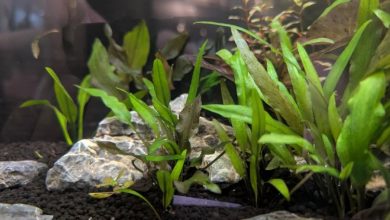
4. Staurogyne repens
Best For – Creating low, dense bushy thickets at the base of rocks.
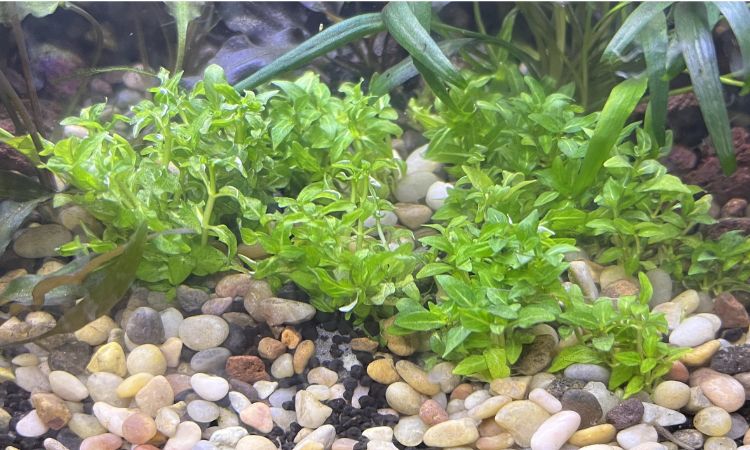
Staurogyne repens is a compact South American stem plant valued for its bright green foliage and naturally low-growing habit. Unlike taller stem species that quickly reach the water surface, this plant tends to spread outward while remaining relatively short, making it ideal for the midground or transition zone.
Its versatility allows it to complement both nature aquariums and modern aquascapes.
Key Features
Healthy plants produce multiple side shoots that gradually form dense clusters of foliage. The compact growth softens the edges of stones, driftwood, and elevated substrate while creating hiding places for shrimp and small fish.
Advantages include:
- Bright green coloration
- Naturally compact structure
- Moderate growth rate
- Excellent response to pruning
- Suitable for both CO₂ and many non-CO₂ aquariums
With adequate light and nutrients, Staurogyne repens develops an attractive, layered appearance that adds depth to planted layouts.
Care Tip
Trim the upper stems regularly instead of allowing them to become tall. Frequent pruning encourages lateral branching, resulting in a thicker, bushier colony that stays within the desired midground height.
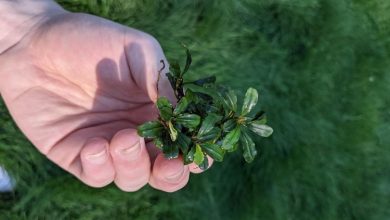
5. Bucephalandra Species
Best For – Adding iridescence, unique leaf shapes, and premium aesthetics.
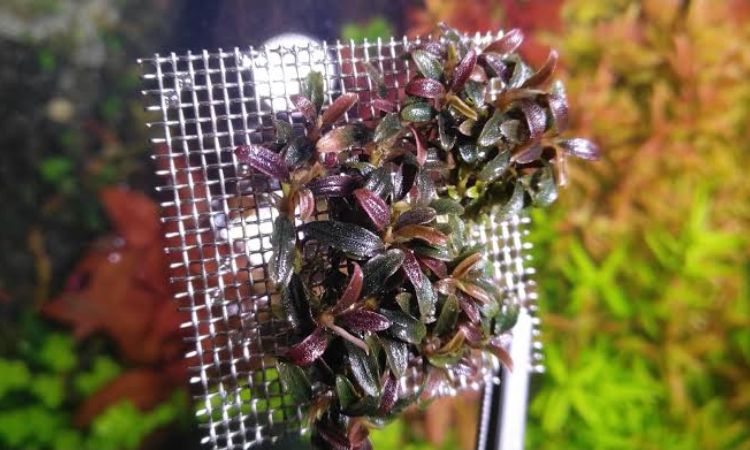
Bucephalandra species originate from fast-flowing streams on the island of Borneo, where they naturally attach to rocks and submerged wood. Their remarkable diversity of leaf shapes, colors, and surface textures has made them increasingly popular among aquascapers seeking intricate detail.
Individual varieties range from narrow-leaved forms to species with broad, rippled foliage displaying blue, purple, bronze, or metallic green iridescence under aquarium lighting.
Key Features
Like Anubias and Java Fern, Bucephalandra grows from a rhizome and develops slowly. Many varieties display subtle iridescent coloration that becomes more noticeable under stable conditions and quality lighting.
Additional characteristics include:
- Wide range of leaf sizes and textures
- Attractive metallic sheen on mature foliage
- Compact growth ideal for hardscape accents
- Suitable for shrimp aquariums and nano tanks
- May produce small underwater flowers under stable conditions
Although growth is slower than many stem plants, established Bucephalandra colonies can become long-lasting focal points within an aquascape.
Care Tip
Maintain stable water conditions with moderate circulation and efficient filtration. Bucephalandra generally performs best in clean water with consistent nutrient availability. As with other rhizome plants, avoid burying the rhizome beneath the substrate to prevent rot.
6. Alternanthera reineckii ‘Mini’
Best For – Injecting intense red and pink accents into the midground.
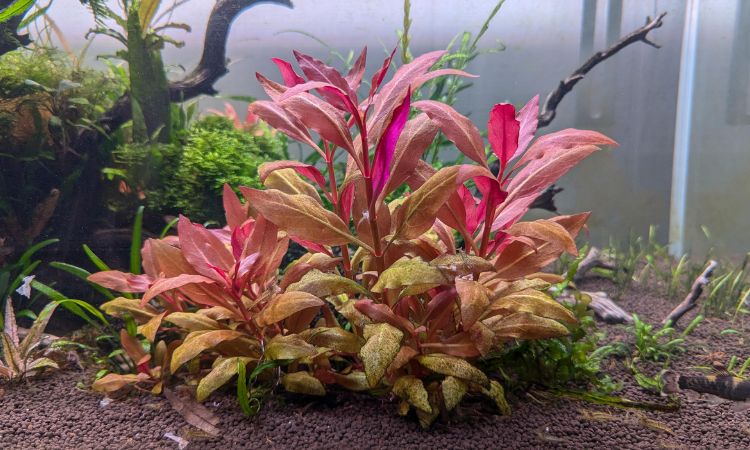
Alternanthera reineckii ‘Mini’ is a compact cultivar of the popular Alternanthera reineckii that delivers vibrant color without growing as tall as the standard form. Its manageable size makes it well suited to the midground, where it creates bold contrast against green carpeting plants, mosses, and stem species.
Unlike many green aquatic plants, this variety is primarily valued for its colorful foliage rather than its growth habit. Under favorable conditions, it develops dense clusters of small leaves ranging from bronze-red to deep crimson, making it a favorite in Dutch-style and Nature Aquarium layouts.
Key Features
The compact growth habit allows A. reineckii ‘Mini’ to remain shorter than traditional stem plants while still providing dramatic visual interest. When planted in groups, it forms attractive patches of warm color that naturally draw the eye without overwhelming the aquascape.
Notable characteristics include:
- Compact growth suitable for midground placement
- Red, burgundy, and pink foliage under optimal conditions
- Excellent contrast against green plants and pale stones
- Can be shaped through regular pruning
- Suitable for aquascapes seeking stronger color variation
Although it grows more slowly than many stem plants, consistent care encourages fuller, bushier growth over time.
Care Tip
For the richest red coloration, provide medium to high lighting, consistent nutrient dosing, and stable CO₂ supplementation. In lower-light aquariums or tanks without CO₂, the plant often remains greener, grows more slowly, and may become less compact.
7. Pogostemon helferi (Downoi)
Best For – Unique star-shaped rosette textures.
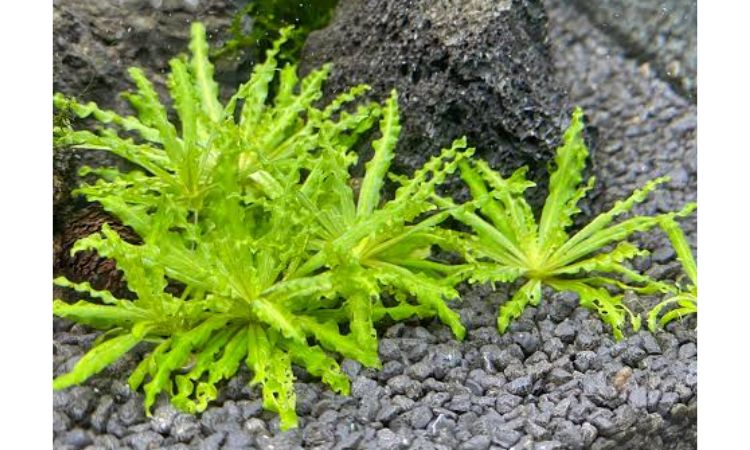
Pogostemon helferi, commonly called Downoi, is unlike most aquarium plants. Instead of producing long stems or grassy leaves, it forms compact rosettes with deeply curled foliage that resembles miniature green stars scattered across the substrate.
Its unusual appearance makes it an excellent accent plant in the midground, especially around rocks, driftwood, or elevated substrate where its intricate leaf structure can be appreciated.
Key Features
Each rosette develops tightly crinkled leaves that spread outward from a central growing point, creating texture rarely found among aquatic plants. Even a small group can become a striking focal feature within a planted aquarium.
Advantages include:
- Distinctive curled leaf structure
- Naturally compact growth
- Creates dense clusters over time
- Excellent for highlighting hardscape details
- Provides visual contrast with broad-leaved species
Healthy plants gradually produce side shoots that allow colonies to expand without becoming invasive.
Care Tip
Downoi responds best to stable aquarium conditions. Sudden fluctuations in temperature, CO₂ concentration, or nutrient availability can slow growth or cause older leaves to deteriorate. Moderate lighting, balanced fertilization, and consistent water parameters help maintain compact, healthy rosettes.
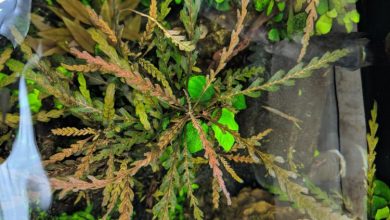
8. Hygrophila pinnatifida
Best For – Dynamic feather-like foliage along midground hardscape.
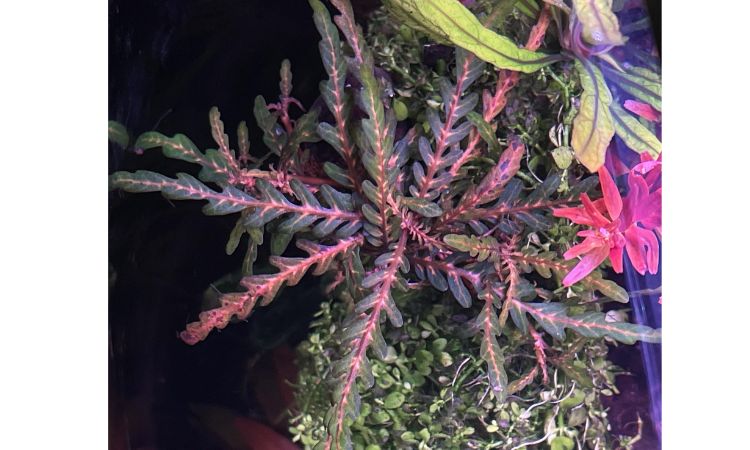
Hygrophila pinnatifida combines the versatility of a stem plant with the appearance of a fern, producing deeply lobed leaves that create a dramatic textural contrast in planted aquariums. It can be rooted directly into the substrate or attached to driftwood and porous rock, giving aquascapers considerable flexibility in placement.
Its spreading growth habit makes it especially effective for softening hardscape while creating a natural transition between foreground and background vegetation.
Key Features
Depending on lighting intensity, the leaves range from olive green to reddish-brown with burgundy undersides. The finely divided foliage introduces movement and texture without appearing overly dense.
Other notable characteristics include:
- Can grow attached to wood or planted in substrate
- Attractive fern-like leaf shape
- Bronze to reddish coloration under brighter light
- Produces side shoots for fuller growth
- Blends naturally with stones and driftwood
Because of its adaptable growth pattern, Hygrophila pinnatifida works well in both nature-style aquascapes and more contemporary layouts.
Care Tip
Trim runners and upright shoots regularly to encourage branching and maintain a compact midground form. Without pruning, the plant may continue growing vertically toward the water surface.
9. Blyxa japonica
Best For – Creating soft, grass-like golden-green hedges.
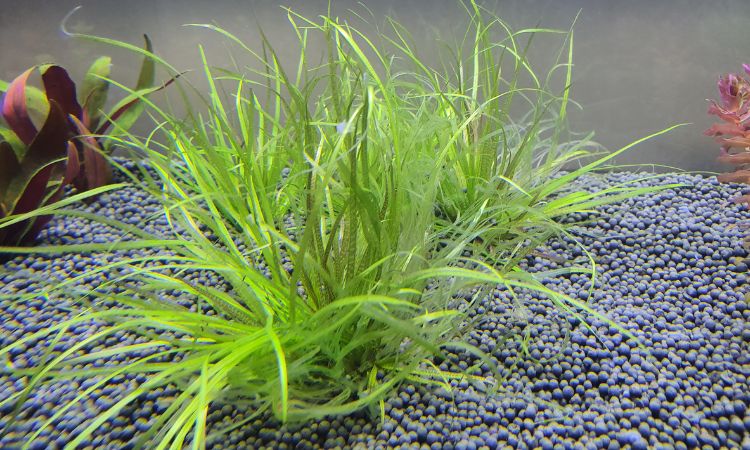
Blyxa japonica forms dense tufts of narrow leaves that resemble ornamental grasses, making it an excellent choice for adding movement and texture to the middle section of a planted aquarium. Rather than producing long runners like many carpeting plants, it develops compact clumps that gently sway with water flow.
Its graceful appearance allows it to soften the edges of stones and driftwood while maintaining an open, natural look.
Key Features
Healthy specimens develop fountain-like growth with leaves ranging from bright green to golden bronze, depending on nutrient availability and lighting conditions. Small groups planted together create flowing hedges that blend seamlessly into surrounding vegetation.
Benefits include:
- Fine, grass-like foliage
- Natural flowing movement in water current
- Excellent transition between foreground and background plants
- Attractive coloration under nutrient-rich conditions
- Suitable for Nature Aquarium and Iwagumi layouts
With proper care, Blyxa japonica becomes one of the most elegant textural plants in a planted aquarium.
Care Tip
Maintain consistent CO₂ levels and adequate iron supplementation to support compact growth and vibrant coloration. Nutrient deficiencies or unstable carbon availability can lead to sparse growth and reduced vigor.
10. Cryptocoryne albida ‘Brown’
Best For – Earthy tones and narrow, textured foliage.
Cryptocoryne albida ‘Brown’ is a refined midground species valued for its slender leaves and understated coloration. Rather than creating bold visual contrast, it contributes subtle shades of olive, bronze, and reddish-brown that complement natural aquascapes inspired by rivers and forest streams.
Its restrained appearance makes it particularly effective in biotope aquariums and layouts emphasizing realism over dramatic color.
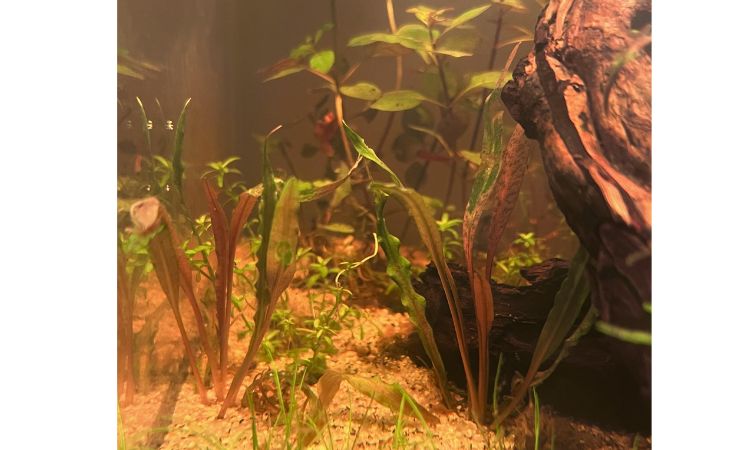
Key Features
The narrow, gently undulating leaves emerge from a compact rosette and gradually form dense clumps as the plant matures. Compared with broader Cryptocoryne species, its finer foliage creates a softer transition between carpeting plants and larger background vegetation.
Characteristics include:
- Slender, wavy-edged leaves
- Olive, bronze, and reddish-brown coloration
- Compact rosette growth
- Slow, steady development
- Excellent for naturalistic aquascapes and biotope displays
Like many members of the genus, it develops an extensive root system that strengthens over time, making it a long-lasting addition to planted aquariums.
Care Tip
Avoid moving or dividing the plant unnecessarily after it has become established. Leaving the root system undisturbed encourages stronger growth and reduces the likelihood of transplant stress or temporary leaf loss commonly associated with Cryptocoryne species.