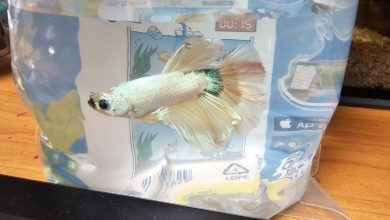
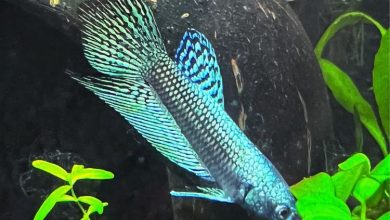
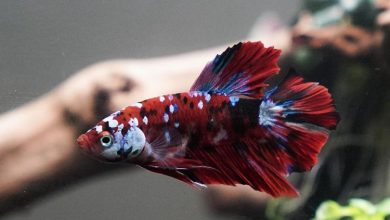
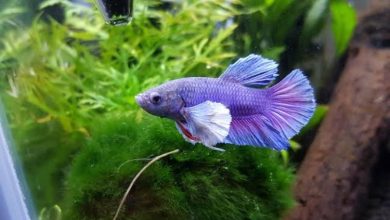
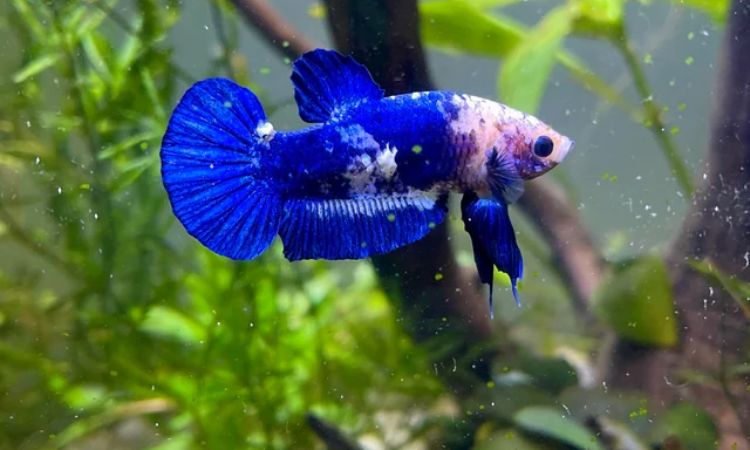
A plakat betta is a short-finned variety of Betta splendens known for its compact body, powerful swimming ability, and vibrant colors. The name comes from the Thai word “pla kat,” meaning “biting fish,” reflecting its historical connection to traditional fighting bettas. Unlike long-finned varieties, plakats have shorter, sturdier fins that make them more agile, resilient, and closer in appearance to their wild ancestors.
Today, plakat bettas are popular among aquarium keepers because they combine striking beauty with an active personality. With proper tank conditions, a protein-rich diet, and stable water quality, these energetic fish can thrive and become a fascinating centerpiece in a home aquarium.
Understanding the Plakat Betta
The plakat betta has a long history rooted in Southeast Asia, particularly in regions such as Thailand, Cambodia, Vietnam, and surrounding areas where wild Betta splendens populations naturally occur. The name “plakat” comes from the Thai term pla kat, which translates to “fighting fish,” reflecting the variety’s historical connection to traditional betta competitions.
Unlike modern ornamental bettas that were selectively bred mainly for dramatic fin shapes and colors, early plakats were valued for their strength, speed, and endurance. Their compact bodies and shorter fins made them highly agile swimmers and better suited for movement and competition. Over generations, breeders developed plakat bettas into the colorful aquarium fish we know today while preserving many of the physical traits that make them resemble their wild ancestors.
Today’s plakat bettas are not kept for fighting but are appreciated as active, resilient, and visually striking freshwater pets. Their natural athletic build and wide range of colors and patterns have made them a favorite among both beginner aquarists and experienced betta enthusiasts.

Key Physical Characteristics
The most noticeable feature of a plakat betta is its short, streamlined fin structure. Unlike veiltails or halfmoon bettas with long flowing fins, plakats have compact fins that stay closer to the body, giving them a more natural and athletic appearance.
Their main physical traits include:
- Short, rounded fins: The caudal (tail) fin is usually compact and rounded, often forming a D-shaped appearance when fully flared.
- Muscular, torpedo-shaped body: Their thicker body structure allows for stronger swimming ability and greater maneuverability.
- Strong fin structure: Shorter fins are less likely to become damaged by decorations, strong currents, or accidental tears compared with long-finned varieties.
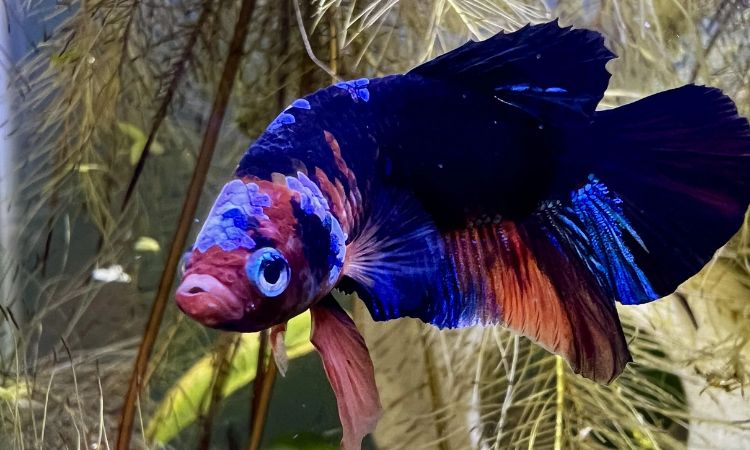
- Wide color and pattern variety: Plakats are available in nearly every betta color combination, including solid colors, koi patterns, galaxy designs, marble patterns, and metallic shades.
Because their body shape is closer to wild bettas, plakats often appear more athletic and energetic in the aquarium. They spend more time actively exploring their environment rather than slowly drifting like some long-finned varieties.
Temperament and Personality
Plakat bettas are known for their lively personalities and active behavior. Many owners notice that these fish are constantly exploring, inspecting decorations, and responding to movement outside the aquarium. Their curiosity and intelligence make them engaging pets that often recognize their caretakers and swim toward the glass during feeding time.
Compared with long-finned varieties such as veiltails and halfmoons, plakats are often considered more energetic swimmers. Their shorter fins allow them to move quickly through the water without carrying the extra weight of large flowing tails.
However, their active nature does not mean they are peaceful community fish. Plakat bettas retain the strong territorial instincts of their ancestors. Male plakats should always be housed individually because they can become aggressive toward other males and may seriously injure each other during conflicts.
They may also show aggression toward fish with similar appearances, especially brightly colored species, other bettas, or fish with long flowing fins that resemble rivals. While some individual plakats can tolerate carefully selected tank mates, their personality should always be monitored closely.
When kept alone in a properly designed aquarium, a plakat betta can display its full personality—patrolling its territory, resting among plants, building bubble nests, and interacting with its owner. Their combination of intelligence, confidence, and hardiness is what makes them one of the most fascinating betta varieties for aquarium keepers.
Essential Plakat Betta Tank Setup
Creating the right aquarium environment is one of the most important steps in keeping a healthy and active Plakat Betta. Although these short-finned bettas are often considered hardier than long-finned varieties, they still need clean water, stable conditions, and enough space to explore. A properly designed tank allows their energetic personality and natural behaviors to shine.
Minimum Tank Size
While Plakat Bettas are sometimes sold in small containers, bowls, or tiny tanks, these setups are not suitable for long-term care. A 5-gallon aquarium should be considered the minimum size for a single Plakat Betta because it provides better water stability, swimming space, and room for essential equipment.
However, a 10-gallon tank is often the better choice, especially for active Plakats. Their shorter fins make them stronger swimmers than varieties like Veiltails or Halfmoons, and many Plakats spend more time exploring their surroundings. A larger aquarium also allows for more plants, hiding areas, and a more natural layout.
More water volume also means slower changes in water chemistry. Ammonia and temperature fluctuations are less likely to become sudden problems, making maintenance easier for both beginners and experienced fish keepers.
Filtration Requirements
A quality filtration system is essential for maintaining healthy water conditions. Plakat Bettas may be stronger swimmers than long-finned varieties, but they still prefer calm, gentle-moving water.
A sponge filter is one of the best options because it provides biological filtration while creating minimal water movement. It also offers additional surface agitation, helping maintain oxygen levels without producing a stressful current.
Adjustable hang-on-back (HOB) filters can also work well when the flow rate is reduced. If the filter creates too much movement, your Plakat Betta may struggle to swim comfortably, hide frequently, or become stressed.
When setting up filtration:
- Choose a filter rated appropriately for your tank size.
- Use a pre-filter sponge on stronger intakes to prevent injuries.
- Avoid strong directional flow across open swimming areas.
- Allow the aquarium to fully cycle before adding your betta.
A stable nitrogen cycle is more important than having powerful filtration. Beneficial bacteria should be established to convert toxic ammonia and nitrite into safer nitrate.
Water Parameters & Chemistry
Plakat Bettas are tropical freshwater fish that thrive in warm, clean, slightly acidic to neutral water. Stability matters more than chasing exact numbers, so avoid making sudden changes to water chemistry.
Temperature: Maintain a consistent range of 76–82°F (24–28°C) using a reliable adjustable submersible heater. A thermometer should always be used to monitor the aquarium because temperature swings can weaken the immune system and increase stress.
pH Level: A pH range of 6.0–7.5 is generally suitable for Plakat Bettas. They can adapt to slightly different conditions, but sudden pH changes should always be avoided.
Water Hardness: Aim for approximately 2–12 dGH (soft to moderately hard water). Extremely hard or extremely soft water can create unnecessary stress, so consistency is key.
Regular testing helps prevent hidden problems. Monitor:
- Ammonia: 0 ppm
- Nitrite: 0 ppm
- Nitrate: ideally below 20–40 ppm
Perform regular partial water changes, typically 25–50% weekly depending on tank size and stocking, and always treat tap water with a quality conditioner before adding it to the aquarium.
Lighting
Plakat Bettas do not require intense lighting. A low-to-moderate LED aquarium light is usually enough, especially in a planted setup.
Keep lighting on for around 6–8 hours per day to provide a natural day-and-night cycle while reducing the risk of excessive algae growth.
Avoid leaving aquarium lights on continuously. Too much light can encourage algae blooms, stress your fish, and disrupt their normal resting patterns.
Floating plants can also help diffuse strong lighting and create shaded areas where your betta feels secure.
Substrate and Hardscape
The substrate and decorations you choose should create a natural-looking habitat while keeping your Plakat Betta safe.
Popular substrate options include:
Smooth dark gravel:
Dark-colored gravel can enhance a Plakat Betta’s vibrant colors while providing a simple, easy-to-maintain base.
Fine sand:
Sand creates a softer appearance and allows plants with delicate roots to establish more easily.
Bare-bottom setups:
Some keepers prefer bare tanks because they are easier to clean and useful for quarantine or breeding environments. However, they may look less natural and provide fewer surfaces for beneficial bacteria.
For hardscape, include decorations that create shelter and resting areas:
- Smooth driftwood
- Rounded river rocks
- Small caves
- Betta-safe ornaments
Avoid sharp rocks, rough decorations, or plastic plants with hard edges. Plakat Bettas have shorter fins, but they can still suffer injuries from abrasive surfaces.
Breaking up the tank with decorations is also beneficial because it creates separate zones and reduces stress by limiting constant exposure across the entire aquarium.
Aquatic Plants
Live plants are an excellent addition to a Plakat Betta tank. They improve water quality by absorbing excess nutrients, provide hiding spots, and make the aquarium feel more like their natural environment.
Good plant choices include:
Anubias:
Hardy plants with broad leaves that create excellent resting areas. They can be attached to driftwood or rocks.
Java Fern:
Another low-maintenance plant that thrives in many aquarium conditions and provides cover without requiring intense lighting.
Amazon Sword:
A larger plant that works well in spacious tanks by creating dense areas for exploration.
Floating plants:
Plants such as Frogbit or Red Root Floater provide surface cover, soften lighting, and give Plakat Bettas a sense of security near the water surface.
A planted aquarium does not need to be overcrowded. Leave open swimming areas so your active Plakat Betta can patrol the tank, explore, and display natural behaviors.
A well-designed Plakat Betta tank balances open space, gentle filtration, stable water conditions, and natural hiding areas. With the right setup, these energetic short-finned bettas can become one of the most rewarding freshwater fish to keep.
Optimal Diet and Nutrition
A proper diet is one of the biggest factors in keeping a Plakat Betta healthy, colorful, and active. These fish may be small, but they have a high-protein appetite that reflects their natural behavior as hunters. Providing the right balance of quality foods, variety, and controlled portions helps support strong immunity, vibrant coloration, and healthy growth.
Carnivorous Nutritional Needs
Plakat Bettas are strictly carnivorous fish, meaning their natural diet consists primarily of animal-based foods rather than plant material. In the wild, they feed on small insects, insect larvae, worms, and tiny aquatic organisms found near the water’s surface.
Because of this, their diet should be centered around high-quality animal protein. Foods with excessive fillers, grains, or plant ingredients may not provide the nutrients bettas need for proper muscle development and overall health.
A balanced Plakat Betta diet should provide:
- High levels of quality protein to support growth and energy
- Essential amino acids for muscle maintenance
- Nutrients that enhance natural coloration
- Easily digestible ingredients to reduce digestive problems
While some commercial foods contain plant-based ingredients as binders, they should not make up the majority of a betta’s nutrition.
Best Commercial Foods
A premium commercial diet should form the foundation of your Plakat Betta’s feeding routine. High-quality foods are formulated specifically for bettas and usually contain the protein levels needed to support their carnivorous requirements.
Floating betta pellets are often the best everyday option because they:
- Match the betta’s natural surface-feeding behavior
- Provide concentrated nutrition in small portions
- Reduce waste compared with lower-quality foods
Choose pellets that list fish meal, shrimp meal, krill, or other aquatic proteins among the main ingredients. Avoid products that rely heavily on unnecessary fillers.
Other useful commercial options include:
Freeze-dried bloodworms:
A convenient treat that provides additional protein and encourages natural feeding behavior. Because freeze-dried foods expand after absorbing water, they should be offered in moderation.
Mysis shrimp:
A nutrient-rich food that can help improve body condition and support vibrant colors. It is especially useful as a supplement alongside a quality pellet diet.
Commercial foods are most effective when used as a consistent base rather than relying on a single treat food.
Live and Frozen Treats
Although pellets can meet most nutritional needs, occasional live or frozen foods provide enrichment and mimic the hunting behaviors Plakat Bettas naturally display.
Good supplemental options include:
Brine shrimp:
A popular choice that provides protein while encouraging active chasing and movement.
Daphnia:
Often appreciated by bettas and can support digestive health due to their natural fiber content.
Blackworms:
A high-protein treat that many bettas eagerly accept, but they should be fed carefully because excessive amounts can contribute to digestive issues.
Other suitable options may include mosquito larvae and other small aquatic invertebrates from safe, reliable sources.
Live and frozen foods should be viewed as supplements, not replacements for a complete commercial diet. Offering variety once or twice per week can keep feeding interesting while providing additional nutrients.
Feeding Schedule and Portion Control
One of the most common mistakes with Plakat Bettas is feeding too much. Their enthusiasm at feeding time can make them appear hungry even when they have already eaten enough.
A healthy feeding routine usually includes:
- Feeding 1–2 times per day
- Offering only what your betta can finish within about 2 minutes
- Providing approximately 2–3 small pellets per feeding, depending on pellet size and fish size
Small portions are important because uneaten food quickly breaks down and contributes to poor water quality. Excess food can increase ammonia levels, encourage algae growth, and create health problems.
Signs of overfeeding may include:
- A swollen belly
- Difficulty swimming
- Loss of appetite
- Increased waste buildup
- Higher risk of swim bladder problems
If your Plakat Betta appears slightly round after eating, this can be normal. However, persistent bloating is a sign that feeding amounts or food choices may need adjustment.
Fasting Days
Adding a weekly fasting day can be beneficial for many Plakat Bettas. Skipping food for one day gives their digestive system time to process previous meals and helps prevent excessive buildup in the gut.
A fasting day may help reduce the risk of:
- Constipation
- Bloating
- Swim bladder disorders linked to overfeeding
During fasting, continue monitoring your betta’s behavior and appearance. A healthy Plakat Betta should remain active, curious, and responsive even without a meal.
A well-balanced feeding routine is about quality, not quantity. By combining a protein-rich staple diet, occasional natural treats, and careful portion control, you can help your Plakat Betta maintain brilliant colors, strong swimming ability, and a healthier life in your aquarium.
Tank Mates and Community Compatibility
Plakat Bettas are fascinating fish with bold personalities, but their territorial instincts make choosing tank mates a careful process. While some individuals can adapt to a community aquarium, many Plakat Bettas are happiest and least stressed when kept alone. Understanding their behavior and selecting compatible companions can help prevent aggression and create a healthier environment.
The Solitary Rule
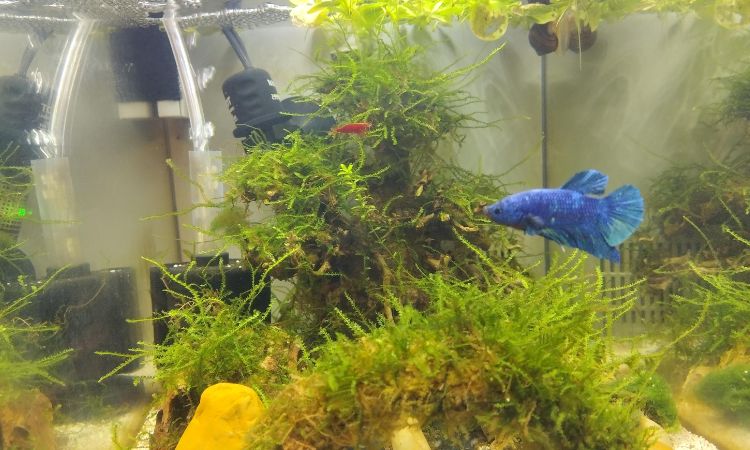
Male Plakat Bettas are naturally territorial fish. Their ancestors were bred for generations due to their fighting behavior, and modern Plakats still retain strong instincts to defend their space. Even though they are often more active and agile swimmers than long-finned varieties, they can be just as aggressive when they feel their territory is threatened.
Two male Plakat Bettas should never be housed together. They will typically flare, chase, and fight, which can lead to severe injuries. Male and female bettas should also not be kept together permanently unless under controlled breeding conditions, as the male may become aggressive toward the female outside of spawning.
Plakat Bettas may also react negatively toward fish that resemble rivals, especially species with bright colors, long fins, or similar body shapes. A betta that appears calm at first may suddenly become territorial after settling into its new environment.
For most keepers, a single male Plakat Betta in a well-maintained aquarium is the safest and most rewarding setup. Without competition, they often become more confident, active, and interactive with their surroundings.
Safe Invertebrate Tank Mates
Some Plakat Bettas can successfully share a tank with peaceful invertebrates, but compatibility depends on the personality of the individual fish. Some bettas are curious but harmless, while others may view smaller creatures as food.
Nerite Snails are one of the most commonly recommended companions. Their hard shells provide protection, and they spend most of their time grazing on algae and surfaces rather than competing for space. They are generally peaceful and unlikely to bother a betta.
Mystery Snails can also work well because their larger size makes them less vulnerable than smaller snails. However, some Plakat Bettas may repeatedly investigate their long antennae or attempt to nip at them, so observation is important after introduction.
Amano Shrimp are another possible option, especially in planted aquariums. Their larger size makes them more suitable than many small shrimp species, and they provide useful algae-cleaning benefits. However, they are not completely safe. A particularly aggressive or hunting-focused Plakat Betta may chase shrimp, especially when they are young or recently molted.
Providing plenty of plants, caves, and hiding areas improves the chances of success. A well-structured aquarium allows invertebrates to retreat when needed and prevents the betta from constantly seeing them as intruders.
Nano Fish Options
Adding other fish with a Plakat Betta requires significantly more planning than keeping invertebrates. A community setup should only be considered in a 10-gallon aquarium or larger, with the ideal size being even bigger for more stable conditions.
A spacious, heavily planted tank helps reduce aggression by creating natural boundaries and breaking the line of sight between fish. Open swimming areas should also remain available because Plakat Bettas are active explorers that enjoy patrolling their territory.
Potential tank mates may include:
Neon Tetras
These small schooling fish are fast swimmers and usually stay in groups, which can make them less likely to trigger a betta’s territorial instincts. They require proper schooling numbers and stable water conditions.
Harlequin Rasboras
Known for their peaceful nature, these active fish are often considered one of the better community choices for betta tanks. Their calm behavior and schooling habits can work well in a planted aquarium.
Corydoras Catfish
These bottom-dwelling fish occupy a different area of the aquarium than a betta, reducing direct competition. They are peaceful, social fish that should be kept in groups.
Even with suitable species, there is no guarantee that every Plakat Betta will accept tank mates. Some individuals remain highly aggressive regardless of tank size or setup. Always monitor new introductions closely and have a backup plan to separate fish if chasing, fin damage, or stress occurs.
A community tank with a Plakat Betta can be rewarding, but the fish’s personality should always come first. A peaceful solo aquarium is often the simplest way to let these colorful, energetic bettas display their natural behavior without unnecessary stress.