If there were a “showstopper” in the goldfish world, the Oranda Goldfish would easily earn the title. Instantly recognizable by its signature wen—a soft, rounded head growth that resembles a royal crown—this elegant fancy goldfish has captivated aquarium enthusiasts for generations. Combined with its graceful fins, peaceful temperament, and stunning range of colors, the Oranda is much more than a beautiful display fish; it’s one of the most rewarding goldfish varieties to keep.
Whether you’re setting up your first fancy goldfish aquarium or looking to add a standout specimen to an established collection, understanding the different Oranda Goldfish types, colors, and quality traits will help you choose a healthy fish that thrives for years. In this guide, you’ll discover the most popular varieties, learn what makes a high-quality Oranda, and find practical tips for selecting the best fish for your aquarium.
What Is an Oranda Goldfish?
The Oranda Goldfish (Carassius auratus) is one of the most popular fancy goldfish varieties, admired for its distinctive head growth, graceful fins, and calm personality. Developed through centuries of selective breeding, Orandas are prized as ornamental fish and are commonly found in home aquariums, ponds, and competitive goldfish shows around the world.
Unlike single-tailed goldfish such as Comets or Shubunkins, Orandas have a deep, rounded body and swim at a slower, more elegant pace. Their combination of unique appearance and friendly temperament makes them an excellent choice for hobbyists looking for a striking centerpiece fish.
Key Physical Characteristics
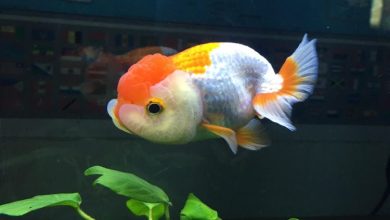
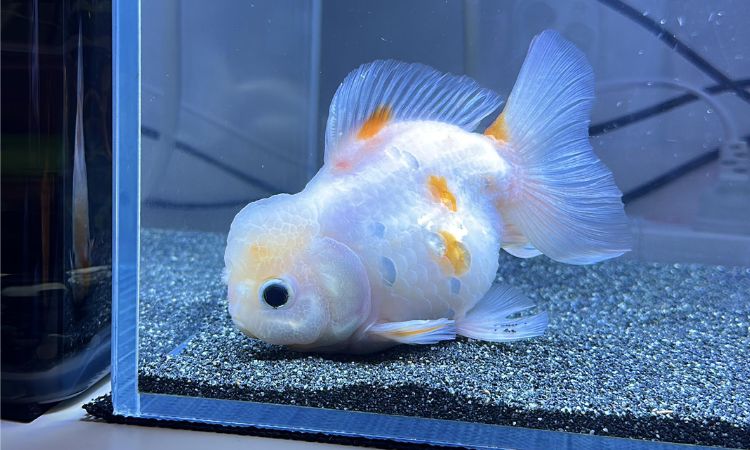
The Oranda’s most recognizable feature is its wen—a fleshy growth that develops on the top of the head and may gradually extend over the cheeks and gill covers. Young fish usually have little or no wen, with noticeable growth beginning within the first year and continuing to mature over several years.
Other defining characteristics include:
- Rounded, egg-shaped body typical of fancy goldfish
- Prominent dorsal fin, unlike some other fancy varieties
- Long, flowing double tail that spreads gracefully while swimming
- Paired anal fins and elegant pectoral fins
- Average adult size of 8 to 12 inches (20–30 cm) under excellent care
- Lifespan commonly ranging from 10 to 20 years, with some individuals living even longer
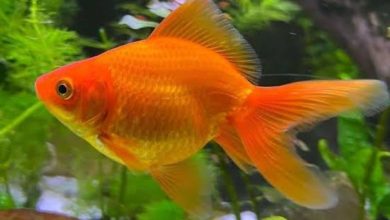
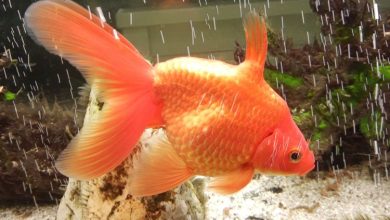
Orandas come in an impressive range of colors, including red, orange, white, black, blue, chocolate, calico, and various bi-color or tri-color patterns. The popular Red Cap Oranda, featuring a bright red wen on a white body, remains one of the most recognizable color varieties.
Origin and Breeding History
The Oranda originated in China, where goldfish breeding began more than a thousand years ago. Through careful selective breeding, early fish keepers enhanced desirable traits such as body shape, finnage, and eventually the signature head growth that defines the breed today.
The variety later gained enormous popularity in Japan, where breeders continued refining its appearance and established many of the standards recognized today. The name Oranda comes from the Japanese phrase Oranda Shishi-gashira, often translated as “Dutch Lionhead.” In historical Japan, “Dutch” frequently referred to something foreign rather than indicating the fish’s actual origin.
Like all domesticated goldfish, the Oranda descends from the Prussian carp and exists only through selective breeding rather than occurring naturally in the wild.
Oranda vs. Lionhead vs. Ranchu
These three fancy goldfish are often confused because all feature a prominent head growth. However, several important differences make each breed unique.
| Feature | Oranda | Lionhead | Ranchu |
| Dorsal Fin | Present | Absent | Absent |
| Head Growth (Wen) | Develops on the forehead, cheeks, and gill covers | Large, rounded wen covering most of the head | Extensive wen with a broad, square-shaped head |
| Body Shape | Rounded, egg-shaped body | Short, compact body | Deep, curved body with a smooth back profile |
| Tail Position | Flowing double tail held behind the body | Double tail with a flatter back | Tail set at a downward angle, blending smoothly into the back |
| Swimming Ability | Moderate; graceful swimmer | Slower swimmer | Slowest and least agile of the three |
| Best Tank Mates | Other fancy goldfish | Other slow fancy goldfish | Other Ranchu or similarly slow fancy varieties |
For many hobbyists, the Oranda offers an ideal balance between beauty and practicality. Its dorsal fin provides slightly better stability in the water than Lionheads or Ranchus, while its dramatic wen and flowing fins still deliver the elegant appearance that makes fancy goldfish so captivating.
Oranda Goldfish Types (Body & Fin Varieties)
One of the reasons Orandas remain so popular is the incredible variety of body shapes, fin styles, and color patterns available. While all Orandas share the breed’s signature wen (head growth) and double tail, selective breeding has produced several unique forms that appeal to different hobbyists. Some are widely available, while others are specialty varieties typically found through experienced breeders.
Standard (Common) Oranda
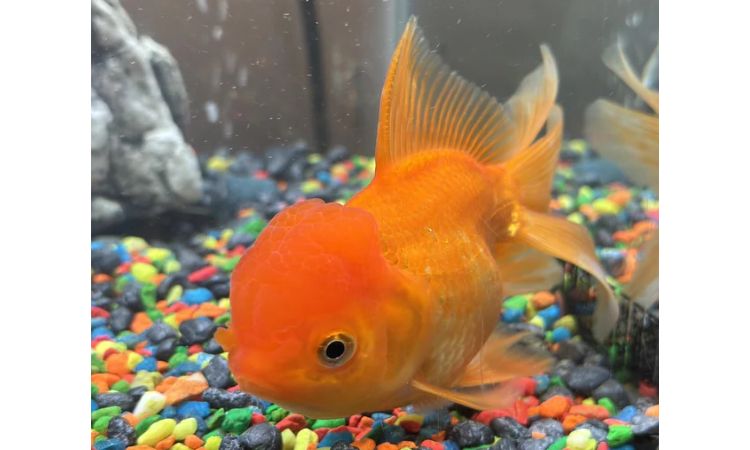
The Standard Oranda is the classic variety most aquarists recognize. It has a rounded, egg-shaped body, an upright dorsal fin, flowing double tail, and a well-developed wen that gradually becomes more prominent with age.
These fish are available in nearly every major color, including red, orange, white, black, blue, chocolate, and calico. Their balanced body shape and moderate wen size make them one of the easiest Orandas to care for.
Best for: Beginners and community fancy goldfish aquariums.
Red Cap Oranda
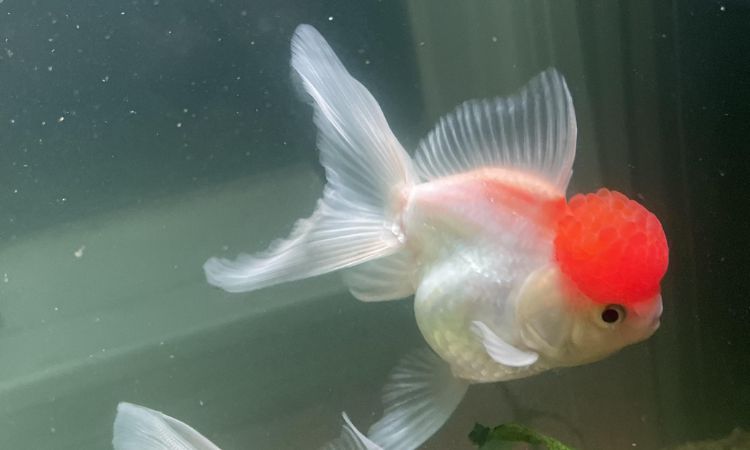
The Red Cap Oranda is arguably the most famous fancy goldfish variety. It features a brilliant white body paired with a vivid red wen that resembles a small cap sitting on the fish’s head.
High-quality Red Cap Orandas have a clean white body with no unwanted red patches outside the head. Their care requirements are identical to those of standard Orandas, making them a favorite for both new and experienced keepers.
Best for: Hobbyists seeking a classic ornamental goldfish.
Pearlscale Oranda
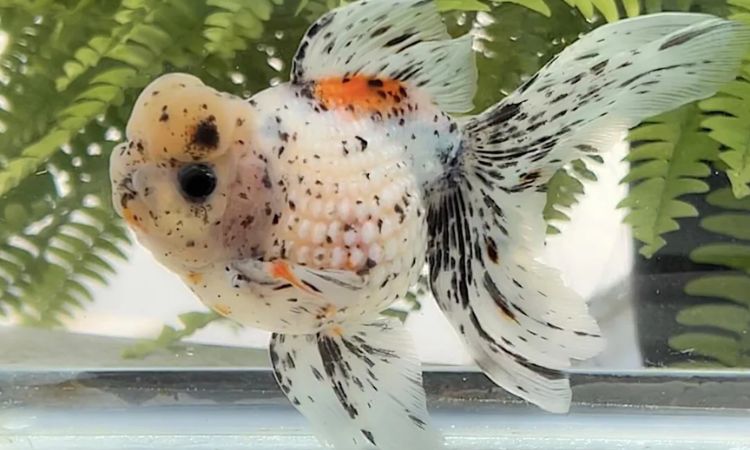
The Pearlscale Oranda combines the Oranda’s signature wen with the distinctive raised, pearl-like scales of the Pearlscale Goldfish.
Compared to standard Orandas, these fish have:
- Extremely rounded body
- Dome-shaped scales with a beaded appearance
- Moderate to large head growth
- Slower swimming ability
Because of their compact body shape, Pearlscale Orandas are more susceptible to buoyancy issues and require especially stable water quality and careful feeding.
Best for: Experienced fancy goldfish enthusiasts.
Ryukin-Oranda Hybrid
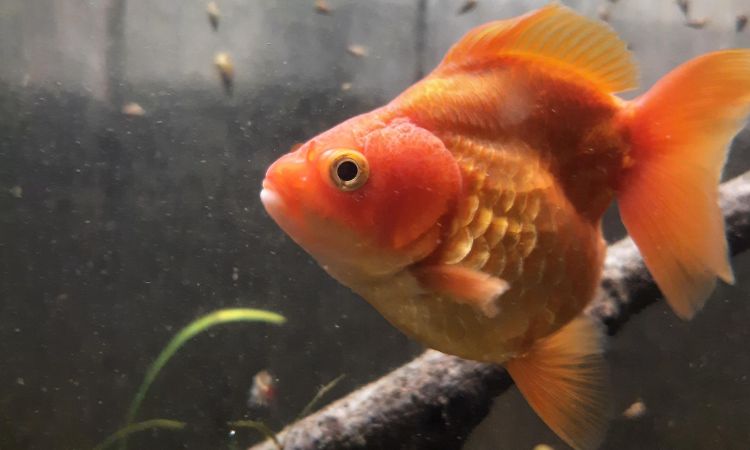
Ryukin-Oranda hybrids combine features from both parent varieties. They usually display:
- A noticeable shoulder hump inherited from the Ryukin
- A developing wen similar to an Oranda
- Deep body shape
- Long, elegant fins
Since hybrids can vary considerably, no two fish look exactly alike. Some resemble heavily built Orandas, while others show a stronger Ryukin influence with only moderate head growth.
These fish are often sold by specialty breeders rather than large pet stores.
Best for: Collectors looking for unusual fancy goldfish.
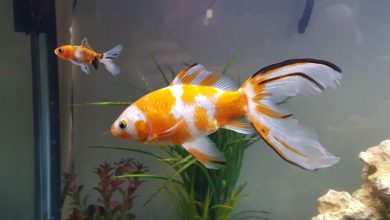
Butterfly-Tail Oranda
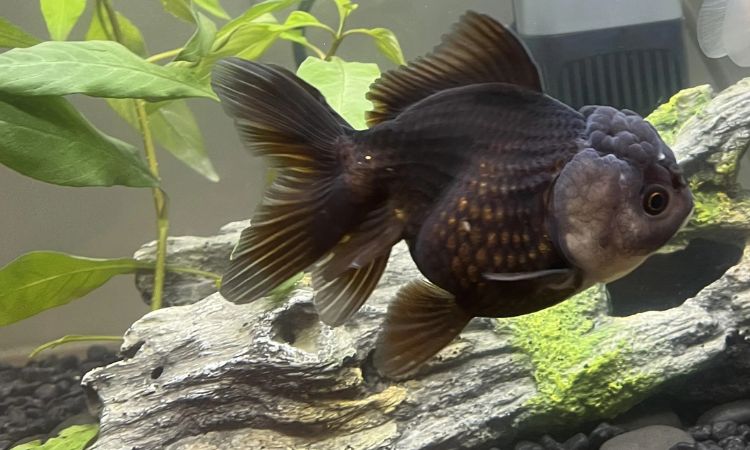
Butterfly-tail Orandas are selectively bred for their spectacular caudal fins, which spread horizontally into a butterfly-like shape when viewed from above.
Characteristics include:
- Wide, symmetrical tail
- Rounded body
- Well-developed wen
- Elegant swimming style
These fish are especially popular in top-view aquariums and outdoor viewing ponds, where their dramatic tail shape can be fully appreciated.
Because their fins are exceptionally long, they should be housed with gentle tank mates and smooth decorations.
Best for: Display aquariums and top-view collections.
Telescope-Eye Oranda
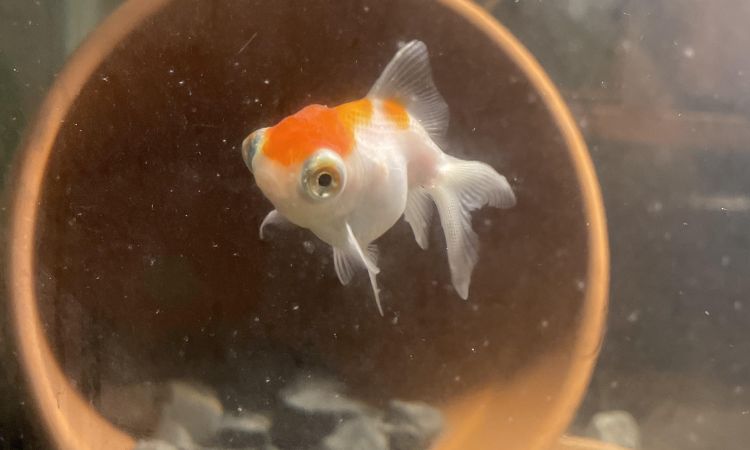
This uncommon variety combines two distinctive traits:
- Prominent telescope eyes
- Characteristic Oranda wen
The result is a highly ornamental fish with reduced eyesight compared to standard Orandas. They swim slowly and may struggle to compete for food if housed with more active fish.
A simple aquarium layout with rounded decorations helps prevent accidental injuries.
Best for: Advanced hobbyists comfortable caring for delicate fancy goldfish.
Jumbo (Giant) Oranda
“Jumbo Oranda” is not a separate breed but a term used for exceptionally large Orandas produced through superior genetics and long-term care.
Adult Jumbo Orandas may exceed 12 inches (30 cm) in length and develop massive, well-proportioned wens. Reaching this size requires:
- Very large aquariums or ponds
- Excellent filtration
- High-quality nutrition
- Consistent water maintenance
- Many years of growth
Because of their impressive size and appearance, Jumbo Orandas are highly valued among serious goldfish keepers.
Best for: Experienced aquarists with spacious setups.
Oranda Goldfish Type Comparison
| Oranda Type | Distinguishing Features | Typical Adult Size | Care Difficulty |
| Standard Oranda | Rounded body, flowing double tail, moderate wen | 8–12 in (20–30 cm) | Easy |
| Red Cap Oranda | White body with bright red head growth | 8–12 in (20–30 cm) | Easy |
| Pearlscale Oranda | Pearl-like raised scales, very round body, wen | 6–8 in (15–20 cm) | Moderate to Advanced |
| Ryukin-Oranda Hybrid | Shoulder hump with Oranda-style head growth | 8–12 in (20–30 cm) | Moderate |
| Butterfly-Tail Oranda | Wide butterfly-shaped tail, best viewed from above | 8–12 in (20–30 cm) | Moderate |
| Telescope-Eye Oranda | Protruding telescope eyes plus developed wen | 6–10 in (15–25 cm) | Advanced |
| Jumbo Oranda | Extra-large body and massive mature wen | 12–14+ in (30–35+ cm) | Moderate (requires large setup) |
Whether you prefer the timeless beauty of a Red Cap Oranda or the impressive presence of a Jumbo Oranda, all varieties share the same peaceful temperament and elegant appearance that have made Orandas one of the most beloved fancy goldfish in the aquarium hobby. Choosing the right type ultimately depends on your aquarium size, experience level, and personal preference.
Oranda Goldfish Colors and Patterns
One of the biggest reasons Oranda Goldfish remain so popular is their incredible range of colors and patterns. From the iconic Red Cap to rare blue and chocolate varieties, each fish has a unique appearance. Keep in mind that color isn’t always permanent—many Orandas naturally change as they mature, and factors like genetics, age, lighting, water quality, and diet can all influence their final coloration.
Red Cap Oranda (White Body, Red Wen)
The Red Cap Oranda is the best-known and most sought-after variety. It features a bright white body with a vivid red wen that resembles a small cap sitting on its head.
A high-quality Red Cap has a clean white body without yellowing, a symmetrical, well-developed wen, and rich, even red pigmentation. While small red markings on the body occasionally appear, show-quality fish typically display a solid white body with color limited to the head.
Because of its striking contrast and classic appearance, the Red Cap is often recommended as the first Oranda for beginner goldfish keepers.
Blue Oranda
Blue Orandas are among the rarest fancy goldfish available. Their color usually ranges from slate blue and steel gray to bluish silver rather than a bright, vibrant blue.
Maintaining blue coloration can be challenging because many fish gradually lose the blue pigment as they age. Juveniles often look more intensely colored than mature adults, making stable blue specimens especially valuable among collectors.
Black Oranda
Black Orandas have a velvety charcoal or jet-black body paired with a matching dark wen. When their color remains stable, they create one of the most dramatic appearances of any Oranda variety.
However, black pigmentation is often temporary. As the fish mature or environmental conditions change, many gradually develop bronze, orange, or red patches. Stable solid-black adults are relatively uncommon.
Chocolate (Brown) Oranda
Chocolate Orandas display warm brown, bronze, or copper-colored scales that give them a distinctive look compared to brighter goldfish varieties.
Their color may deepen or lighten over time depending on genetics, nutrition, and lighting. Healthy Chocolate Orandas often develop a subtle metallic sheen that makes the bronze tones especially attractive under aquarium lighting.
Calico Oranda
Calico Orandas combine multiple colors—including blue, white, black, red, orange, and yellow—across a nacreous (partially transparent) scale pattern.
No two Calico Orandas look exactly alike. Some feature large colorful patches, while others display fine speckling across the entire body. Blue background coloration is particularly desirable because it provides striking contrast with the red, orange, and black markings.
Orange and Red Oranda
Solid orange and red Orandas are classic varieties that remain favorites among hobbyists.
Their coloration ranges from bright golden orange to deep crimson red. These fish are widely available, generally hardy, and often maintain consistent coloration throughout adulthood when kept in stable water conditions and fed a quality diet rich in natural color-enhancing ingredients.
Panda Oranda
Panda Orandas are named for their distinctive black-and-white pattern that resembles the markings of a giant panda.
Young Panda Orandas typically display the strongest contrast, but the black pigmentation may gradually fade with age. While this color combination is highly desirable, finding adults that retain crisp black-and-white markings can be difficult.
Tricolor Oranda
Tricolor Orandas combine three primary colors—usually red, white, and black—creating bold, eye-catching patterns.
Unlike Calico Orandas, which often include blue and numerous smaller markings, Tricolor fish generally have larger, more defined color patches. Every individual develops a unique pattern, making each fish one of a kind.
Why Is My Oranda Changing Color?
Color changes are completely normal in Oranda Goldfish and are one of the most common questions among new owners.
Several factors can cause an Oranda’s appearance to change:
- Natural maturation: Juveniles often transform dramatically during their first one to three years.
- Genetics: Some bloodlines naturally shift from black to orange, bronze, or white as they age.
- Diet: Foods rich in carotenoids and spirulina help support vibrant reds and oranges but cannot permanently change genetic coloration.
- Lighting: Natural daylight and full-spectrum aquarium lighting can influence how colors develop and appear.
- Water quality: Consistently clean water helps maintain healthy skin and strong pigmentation, while chronic stress may cause colors to fade.
- Health: Sudden, uneven color loss accompanied by lethargy, sores, or damaged fins may indicate illness rather than normal development.
Gradual color changes in an otherwise healthy, active Oranda are usually nothing to worry about. As long as water quality remains excellent and the fish is eating normally, changing colors are often just part of the Oranda’s natural growth process.
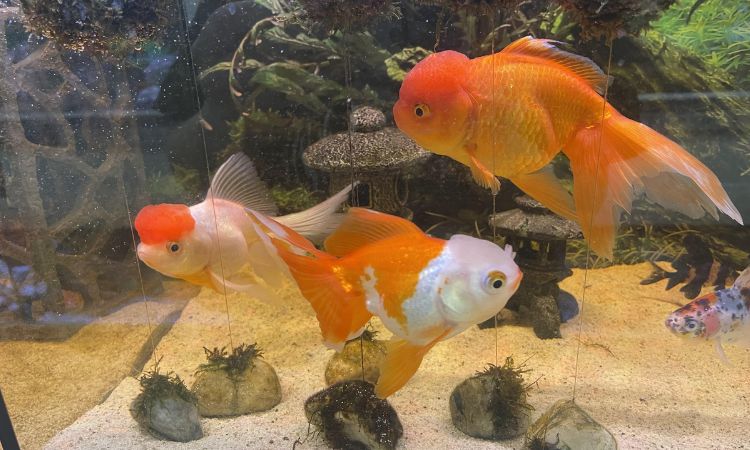
How to Choose the Best Oranda Goldfish
Buying an Oranda Goldfish is about more than finding your favorite color. A healthy, well-raised fish will adapt more easily to its new home, resist disease better, and often live for well over a decade. Taking a few extra minutes to evaluate the fish before purchasing can save you from future health problems and expensive treatments.
Signs of a Healthy Oranda
Healthy Orandas are alert, active, and well-proportioned. While they’re not fast swimmers, they should move steadily around the aquarium without struggling to stay upright or resting on the bottom for long periods.
Look for these positive signs:
- Bright, clear eyes without cloudiness or swelling.
- A clean, healthy wen that’s evenly developed with no white patches, ulcers, fuzzy growth, or redness.
- Fully extended fins that are smooth and free of tears, blood streaks, or fraying.
- A rounded body without appearing bloated, pinched, or unusually thin.
- Smooth, intact scales with no missing patches or raised “pinecone” scales.
- Steady swimming with good balance and no floating, rolling, or sinking problems.
- Normal breathing, with calm gill movement rather than rapid gasping.
- Interest in food if the fish is being fed during your visit.
Healthy Orandas are naturally curious and often swim toward people at the front of the tank, especially if they’re accustomed to feeding by hand.
Red Flags to Avoid
Even beautiful Orandas can hide underlying health issues. Avoid purchasing fish showing any of these warning signs:
- Clamped or tightly folded fins.
- Sitting motionless on the bottom or floating uncontrollably.
- Difficulty maintaining balance or swimming upright.
- Cloudy, bulging, or injured eyes.
- White fuzzy patches, sores, or ulcers on the wen.
- Red streaks in the fins or body.
- Missing scales or open wounds.
- Heavy flashing or rubbing against decorations.
- Rapid breathing or constantly gasping near the surface.
- White spots consistent with Ich or excessive mucus on the skin.
Pay close attention to the wen, since this fleshy growth is more susceptible to injury and bacterial infections than the rest of the body. It should appear firm, clean, and evenly textured rather than soft, discolored, or damaged.
Choosing Based on Tank Size and Setup
Select an Oranda that matches the aquarium you already have—or are prepared to set up.
| Aquarium Setup | Best Choice |
| 40–55 gallons | One juvenile or adult Oranda with room to grow |
| 55–75 gallons | Two to three Orandas with strong filtration |
| 75+ gallons | Small group of Orandas or multiple fancy goldfish |
| Outdoor pond | Only in suitable climates with adequate depth and winter protection |
Avoid buying several small juveniles for a tank that won’t accommodate their adult size. Orandas grow much larger than many beginners expect, often reaching 8–12 inches with proper care.
Choose fish with body proportions that allow comfortable swimming. Extremely oversized wens or excessively long fins may require more specialized care later.
Choosing Based on Experience Level
Some Oranda varieties are easier to care for than others.
Great choices for beginners:
- Standard Orange Oranda
- Red Cap Oranda
- White Oranda
- Calico Oranda
These varieties are widely available, generally hardy, and often adapt well to home aquariums.
Better suited for experienced hobbyists:
- Blue Oranda
- Chocolate Oranda
- Black Oranda
- Butterfly-tail Oranda
- Telescope-eye Oranda
- High-grade show Orandas with very large wens
These fish may require closer monitoring because of reduced vision, delicate finnage, rare genetics, or specialized breeding characteristics.
Where to Buy an Oranda Goldfish
Where you purchase your fish can have a significant impact on its long-term health.
Local fish stores allow you to inspect the fish in person before buying. You can observe swimming behavior, examine the wen closely, and avoid shipping stress. However, quality varies between stores, so always inspect the aquarium conditions.
Specialized breeders are often the best choice if you’re looking for premium bloodlines, rare colors, or show-quality fish. Reputable breeders selectively breed for health, body shape, finnage, and wen development, and they’re usually able to provide detailed information about the fish’s age and lineage.
Online retailers offer the widest selection, especially for uncommon varieties like Blue, Panda, or Butterfly-tail Orandas. Choose sellers that use insulated packaging, offer live-arrival guarantees, provide clear photos of the actual fish whenever possible, and have consistently positive customer reviews.
Regardless of where you buy your Oranda, quarantine new arrivals in a separate aquarium for 2–4 weeks before introducing them to your main tank. This simple precaution helps prevent parasites and infectious diseases from spreading to your existing fish and gives the newcomer time to recover from transport stress.