A thriving planted aquarium isn’t just about creating a beautiful underwater display—it’s about building a healthier environment where fish and plants support one another. Live aquatic plants naturally absorb excess nutrients, improve biological stability, provide shelter for aquatic life, and give your aquarium a vibrant, natural appearance that artificial decorations simply can’t match.
If you’re new to keeping live plants, the good news is that success doesn’t require advanced aquascaping skills, expensive CO₂ systems, or specialized lighting. Many hardy freshwater species are incredibly forgiving, thriving in basic aquarium setups with minimal maintenance.
In this guide, you’ll discover 15 of the best aquarium plants for beginners. These easy-care species are known for their resilience, adaptability, and ability to flourish in a wide range of freshwater conditions, making them perfect for first-time aquarists who want a lush planted tank without the steep learning curve.
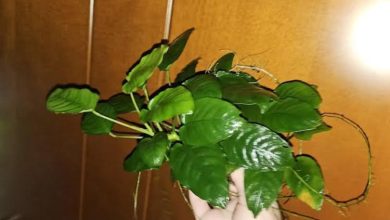
1. Anubias Barteri / Anubias Nana
Care Level: Very Easy
Lighting: Low
Placement: Rhizome plant; attach to driftwood, rocks, or other hardscape rather than burying in the substrate.
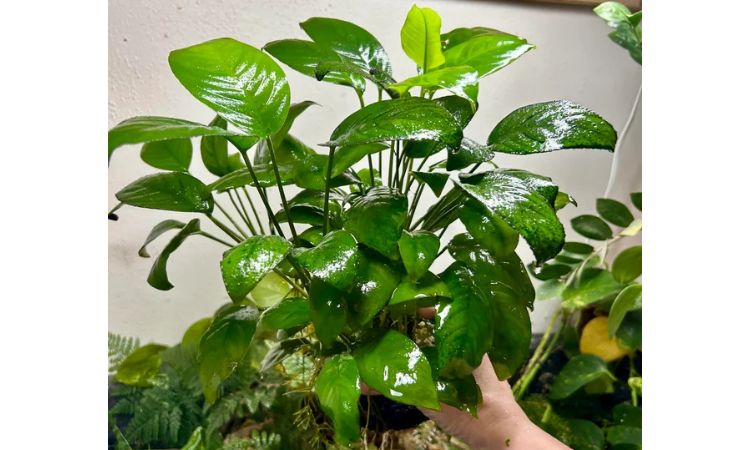
Anubias Barteri and its smaller variety, Anubias Nana, are among the most dependable freshwater aquarium plants for beginners. Their thick, leathery leaves tolerate low light and remain attractive even in low-tech aquariums with minimal equipment. Because these plants grow from a horizontal rhizome, the rhizome should always remain exposed. Burying it beneath gravel or aquarium soil can lead to rot.
Growth is relatively slow, which means less frequent pruning and reduced maintenance. Although Anubias survives without supplemental fertilization, occasional liquid fertilizer can encourage healthier foliage. Its sturdy leaves also make it a good choice for community aquariums containing fish that may damage more delicate plants.
2. Java Fern (Microsorum pteropus)
Care Level: Very Easy
Lighting: Low to Medium
Placement: Attach to rocks, driftwood, or aquarium decorations.
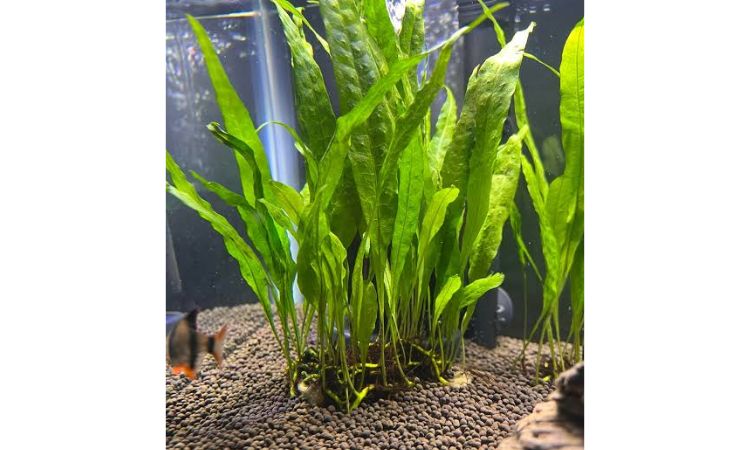
Java Fern has remained one of the most popular beginner aquarium plants for decades because of its exceptional adaptability and simple care requirements. Like Anubias, it is a rhizome plant that should never be planted directly into the substrate. Instead, secure it to hardscape until its roots naturally anchor themselves.
This species grows steadily under low to moderate lighting and generally performs well without CO₂ injection. Mature leaves often produce tiny plantlets that develop their own roots, allowing hobbyists to propagate new plants with little effort. Numerous varieties—including Narrow Leaf, Windelov, and Trident Java Fern—offer different leaf shapes while sharing the same straightforward care.
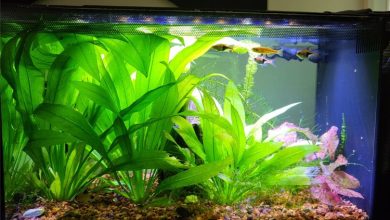
3. Amazon Sword (Echinodorus amazonicus)
Care Level: Easy
Lighting: Medium
Placement: Background; heavy root feeder that benefits from root tabs.
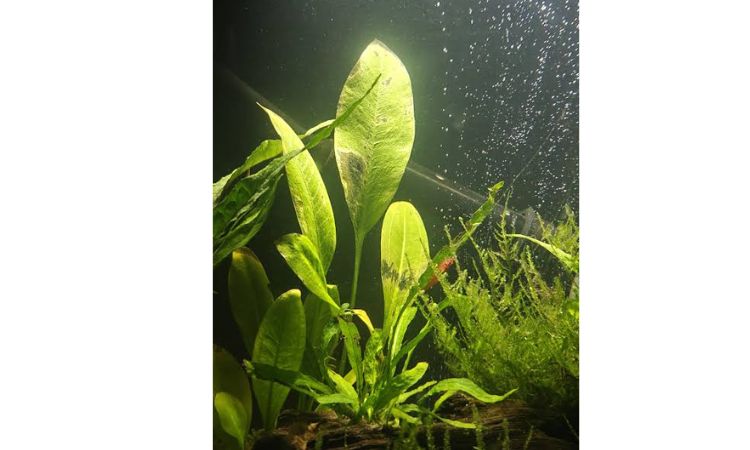
Amazon Sword is an excellent background plant for medium and large freshwater aquariums. Its broad, bright green leaves create a lush appearance while providing natural shelter for fish.
Unlike rhizome plants, Amazon Sword obtains most of its nutrients through an extensive root system. Nutrient-rich substrates or root fertilizer tablets help maintain vigorous growth and healthy leaf development. Newly purchased specimens may lose some older leaves as they transition from emersed growth at commercial nurseries to fully submerged aquarium conditions. This adjustment is normal, and healthy plants typically produce fresh underwater foliage within several weeks.
As mature specimens develop, they may produce runners with young plantlets that can be separated and replanted elsewhere.
4. Cryptocoryne Wendtii

Care Level: Easy
Lighting: Low to Medium
Placement: Midground; adapts well to a variety of freshwater conditions.
Cryptocoryne Wendtii is valued for its versatility, compact growth, and attractive leaf colors, which range from green to bronze, brown, and reddish tones depending on the variety and growing conditions.
This rooted plant establishes itself gradually and often experiences “crypt melt” shortly after being introduced into a new aquarium. During this natural adjustment period, older leaves may deteriorate while the root system adapts to new water chemistry. As long as the roots remain healthy, new submerged leaves typically emerge after several weeks.
Although Cryptocoryne Wendtii tolerates many substrates, root tabs are beneficial in nutrient-poor gravel. Once established, it requires little maintenance beyond occasional fertilization and routine aquarium care.
5. Marimo Moss Ball (Aegagropila linnaei)
Care Level: Extremely Easy
Lighting: Low
Placement: Foreground or decorative accent.
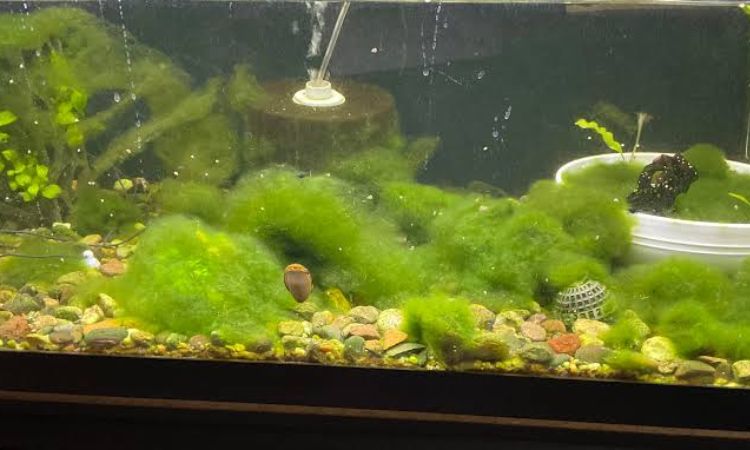
Despite its common name, the Marimo Moss Ball is not actually a moss but a naturally occurring spherical form of green algae. Its distinctive appearance and minimal care requirements have made it a favorite addition to nano aquariums, shrimp tanks, and betta setups.
Maintenance is simple. During regular water changes, gently rinse the Marimo in removed aquarium water and rotate it by hand so all surfaces receive equal exposure to light. This helps preserve its round shape and encourages even growth.
Marimo Moss Balls grow very slowly but can absorb small amounts of dissolved nutrients from the water, making them a useful addition to balanced freshwater aquariums. They also provide grazing surfaces for shrimp and other small invertebrates while adding a unique natural element to planted aquascapes.
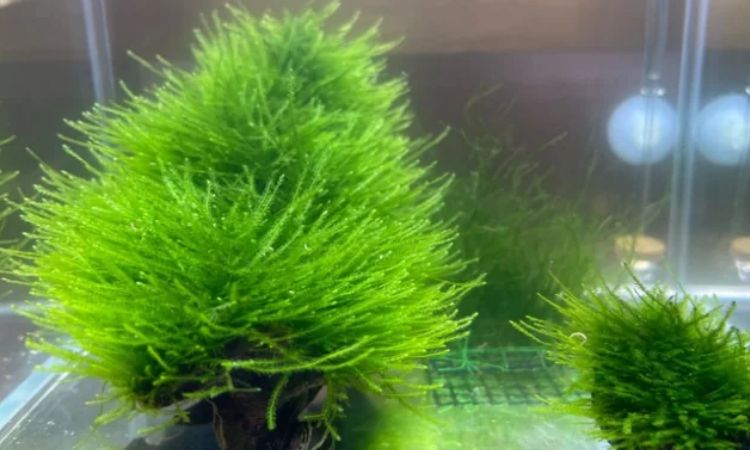
6. Java Moss (Taxiphyllum barbieri)
Care Level: Very Easy
Lighting: Low to Medium
Placement: Carpeting plant, attached to driftwood or rocks, moss walls, and breeding tanks.
Java Moss is one of the easiest aquatic mosses to grow, making it an excellent choice for beginners and experienced aquarists alike. It adapts to a wide range of water conditions and grows without specialized equipment, including pressurized CO₂ systems.
The plant naturally attaches itself to driftwood, rocks, mesh panels, and other hardscape using tiny anchoring structures. It can also be left loose to form dense mats across the substrate. Because of its fine branching structure, Java Moss provides excellent shelter for newly hatched fry, shrimp, and other small aquatic animals. It also supports colonies of microorganisms that serve as a natural food source for young fish and freshwater shrimp.
Growth is relatively steady under low to moderate lighting, although occasional trimming helps maintain its shape and prevents excessive buildup of debris. Supplementing with liquid fertilizer may encourage fuller growth, but established aquariums often provide sufficient nutrients for healthy development.
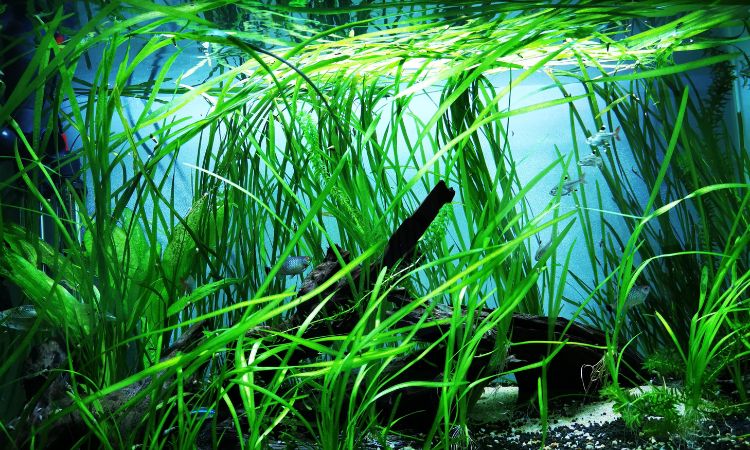
7. Vallisneria (Val / Eelgrass)
Care Level: Easy
Lighting: Medium
Placement: Background; spreads through runners to create dense aquatic vegetation.
Vallisneria is a popular background plant recognized for its long, ribbon-like leaves that sway naturally with water movement. Its graceful appearance makes it a favorite for hobbyists who want to create a lush, jungle-style aquascape with minimal maintenance.
Once established, Vallisneria spreads by producing runners beneath the substrate. These daughter plants gradually form dense stands that provide valuable shelter for fish while adding depth and movement to the aquarium.
Although adaptable to various substrates, Vallisneria benefits from nutrient-rich aquarium soil or periodic root tab fertilization. Stable water conditions generally produce the best results, as the plant may temporarily struggle if exposed to sudden environmental changes. Mature colonies require only occasional thinning to prevent overcrowding.
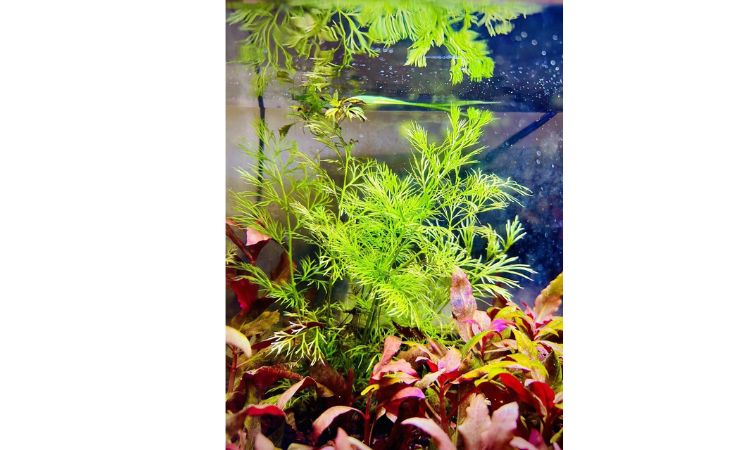
8. Water Sprite (Ceratopteris thalictroides)
Care Level: Easy
Lighting: Medium
Placement: Floating or rooted in the substrate.
Water Sprite is a fast-growing fern that adapts well to multiple planting styles. It can be rooted in the substrate as a background or midground plant, or allowed to float freely at the water’s surface. This flexibility makes it particularly appealing for beginner aquariums.
Its finely divided, lace-like leaves create soft cover for juvenile fish, shrimp, and timid species while contributing to a natural appearance. Rapid growth also allows Water Sprite to absorb significant amounts of nitrate and other dissolved nutrients, helping maintain balanced water quality in established aquariums.
Because of its vigorous growth rate, regular trimming may be necessary to prevent it from overshadowing slower-growing plants. Under favorable conditions, floating specimens often develop extensive root systems that provide additional refuge for fry and small invertebrates.
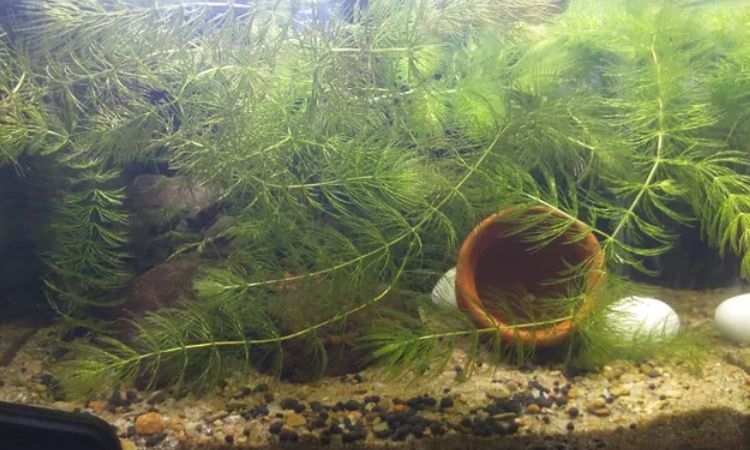
9. Hornwort (Ceratophyllum demersum)
Care Level: Very Easy
Lighting: Low to High
Placement: Floating freely or lightly anchored in the substrate.
Hornwort is one of the most adaptable freshwater aquarium plants available. Unlike rooted species, it lacks true roots and absorbs nutrients directly from the water column. It can be left floating or gently anchored to create dense background cover.
Its rapid growth allows Hornwort to remove excess nitrates and other nutrients efficiently, reducing the resources available for nuisance algae. While no aquarium plant completely prevents algae, vigorous growers like Hornwort can contribute to better nutrient balance when combined with proper aquarium maintenance.
The soft, feathery foliage creates excellent shelter for breeding fish, shrimp, and fry. Because it tolerates a broad range of lighting conditions and water parameters, Hornwort is frequently recommended for newly established planted aquariums and breeding setups.
10. Anacharis (Egeria densa)
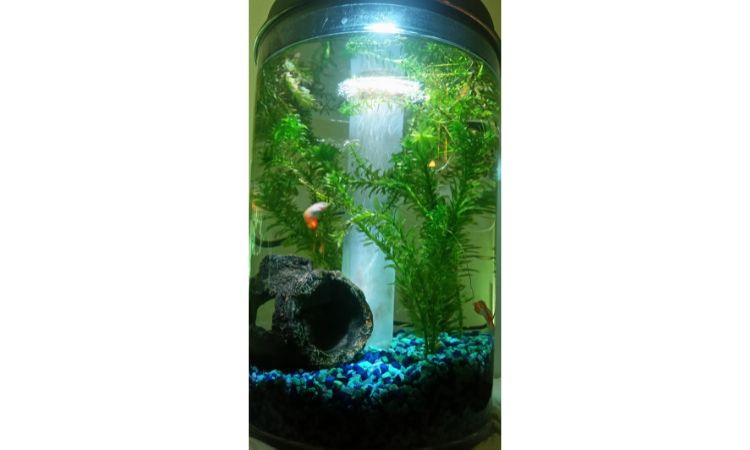
Care Level: Very Easy
Lighting: Low to Medium
Placement: Background planting or free-floating stem plant.
Anacharis, also known as Brazilian Waterweed, is a classic beginner aquarium plant valued for its rapid growth and adaptability. It thrives in a wide variety of freshwater conditions and performs well in low-tech aquariums without supplemental CO₂.
The long stems develop dense whorls of bright green leaves that provide excellent cover for fish while increasing the natural appearance of the aquarium. Like other fast-growing stem plants, Anacharis absorbs dissolved nutrients from the water column, helping maintain overall water quality and supporting biological balance.
This species can be planted in the substrate or left floating, depending on the desired aquascape. Healthy stems are easily propagated by trimming and replanting cut sections, allowing hobbyists to expand their planted aquarium with minimal effort. Its combination of fast growth, simple care, and resilience makes Anacharis one of the most dependable choices for anyone starting their first planted freshwater aquarium.
11. Ludwigia Repens
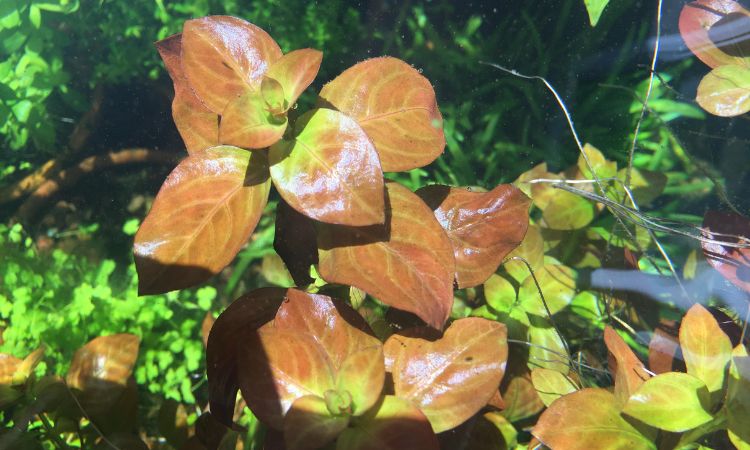
Care Level: Easy to Moderate
Lighting: Medium to High (stronger lighting promotes deeper red coloration)
Placement: Midground to Background
Ludwigia repens is one of the most approachable red aquarium plants for beginners who want to introduce color into a planted aquarium. While many red aquatic plants require high levels of care, Ludwigia repens adapts well to a wide range of freshwater conditions and can grow successfully in low-tech aquariums.
Under moderate lighting, the leaves usually remain green with bronze or reddish highlights. As light intensity increases and nutrients remain balanced, newer growth often develops richer shades of orange or red. Although supplemental CO₂ can encourage faster growth and more intense coloration, it is not essential for maintaining a healthy plant.
This upright stem plant grows relatively quickly and responds well to regular pruning. Trimming encourages branching, creating fuller groups that add depth and contrast to aquascapes dominated by green foliage. Propagation is simple—healthy stem cuttings can be replanted directly into the substrate, where they readily develop new roots.
12. Pearlweed (Hemianthus micranthemoides)
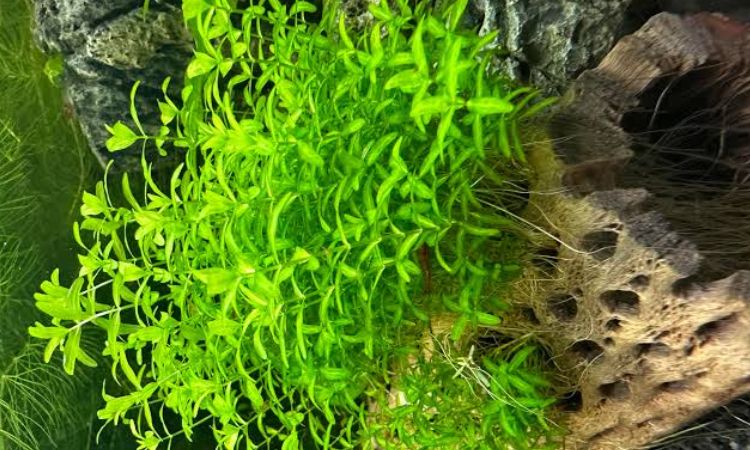
Care Level: Easy
Lighting: Medium
Placement: Foreground to Midground
Pearlweed is a versatile stem plant that appeals to both beginner and experienced aquascapers. Depending on how it is maintained, it can serve as an upright midground plant or develop into a dense foreground carpet.
Unlike many traditional carpeting species, Pearlweed is relatively forgiving and does not necessarily require pressurized CO₂ to thrive. Regular trimming encourages horizontal growth, while replanting healthy cuttings gradually creates a thick, lawn-like appearance across the substrate.
Its small, bright green leaves provide a fine texture that contrasts well with broader-leaved species such as Amazon Sword or Anubias. Because Pearlweed grows at a moderate to fast pace under favorable conditions, occasional pruning helps prevent overcrowding and maintains an orderly aquascape.
13. Bacopa Caroliniana
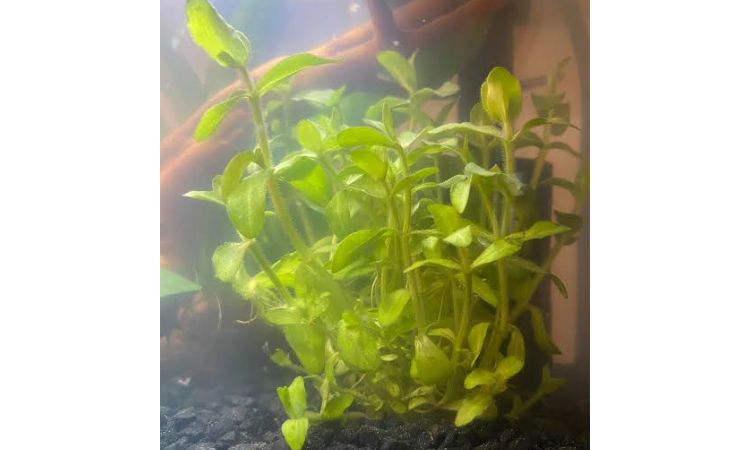
Care Level: Easy
Lighting: Medium
Placement: Midground
Bacopa caroliniana is a durable stem plant known for its thick, rounded leaves and upright growth habit. Native to wetlands in North America, it adapts well to freshwater aquariums and is widely regarded as one of the easiest stem plants for beginners.
One distinctive characteristic of Bacopa is that its leaves release a subtle lemon-like fragrance when crushed outside the aquarium, although this has no effect on its underwater growth. In the aquarium, the plant produces sturdy vertical stems that add structure and height without requiring intensive maintenance.
Bacopa tolerates a broad range of water conditions and grows successfully in low-tech planted aquariums. Under stronger lighting, new growth may develop bronze or copper tones, while moderate lighting typically maintains rich green foliage. Healthy stems can be trimmed and replanted, making propagation straightforward and allowing aquarists to expand plant groupings over time.
14. Red Tiger Lotus (Nymphaea zenkeri)
Care Level: Easy
Lighting: Medium
Placement: Midground to Background
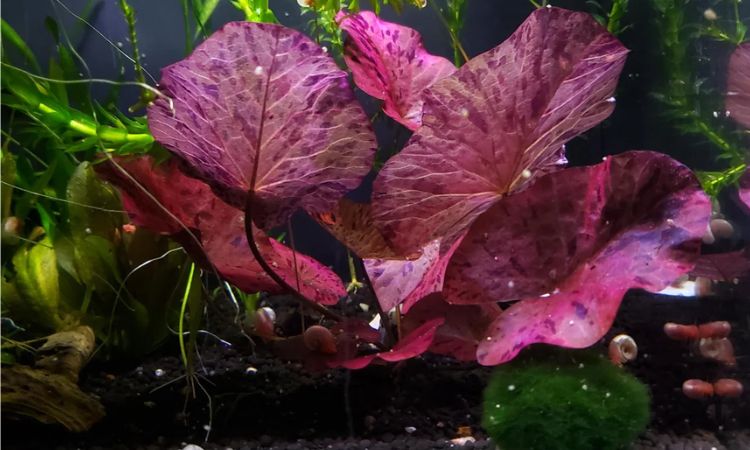
Red Tiger Lotus is a bulb plant that introduces bold color and dramatic leaf shape to planted freshwater aquariums. Its arrowhead-shaped leaves display shades of deep red, burgundy, or reddish-brown, often accented by darker mottled patterns that make it a natural focal point.
The plant grows from a bulb that should be placed partially above the substrate rather than buried completely. Once established, it develops broad submerged leaves, and under favorable conditions may also produce floating leaves that reach the water’s surface.
Although Red Tiger Lotus grows well without supplemental CO₂, balanced fertilization and nutrient-rich substrate help support healthy leaf development. Occasional pruning of surface leaves allows more light to reach lower-growing plants and encourages the production of additional submerged foliage. With routine maintenance, this species provides striking color while remaining suitable for beginners seeking a centerpiece plant.
15. Dwarf Sagittaria (Sagittaria subulata)
Care Level: Easy
Lighting: Medium
Placement: Foreground
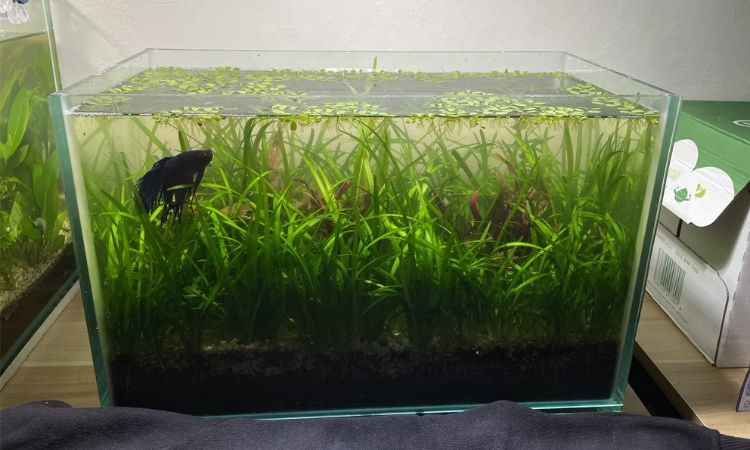
Dwarf Sagittaria is one of the most dependable foreground plants for beginner aquascapes. Its narrow, grass-like leaves gradually spread across the substrate through underground runners, forming a natural carpet that resembles an underwater lawn.
This species adapts well to a variety of freshwater aquariums and generally grows successfully without pressurized CO₂. Lighting influences its overall appearance. Under brighter conditions, the leaves typically remain shorter and denser, while lower light often produces taller growth as the plant reaches upward toward available light.
Dwarf Sagittaria benefits from nutrient-rich substrate or occasional root tab fertilization, although it remains relatively undemanding compared with many carpeting plants. New plantlets produced along runners can be left in place to expand the carpet naturally or transplanted to other areas of the aquarium. Its combination of simple care, reliable propagation, and attractive grassy appearance makes Dwarf Sagittaria an excellent choice for hobbyists creating their first planted freshwater aquarium.