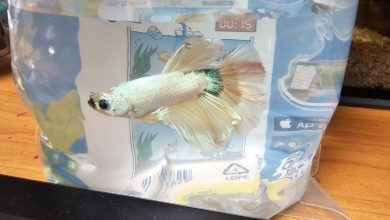
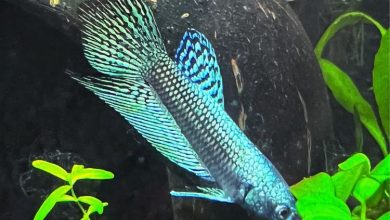
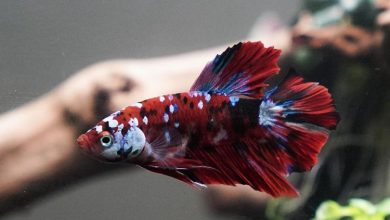
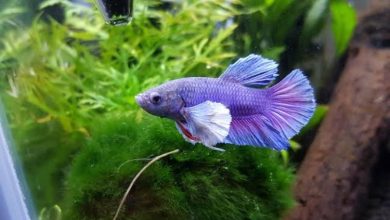
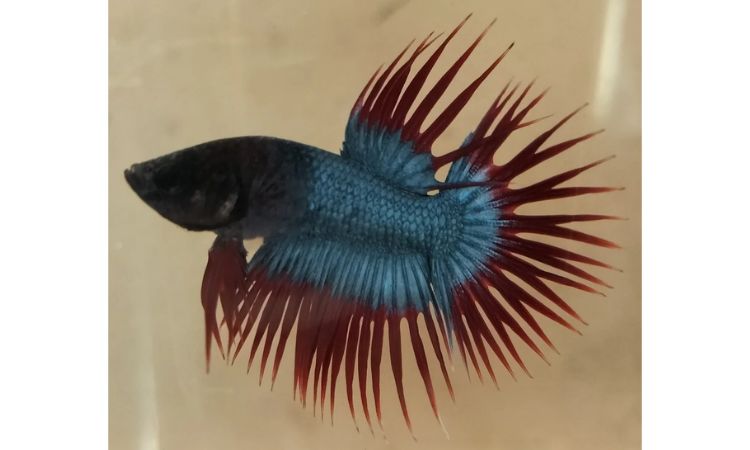
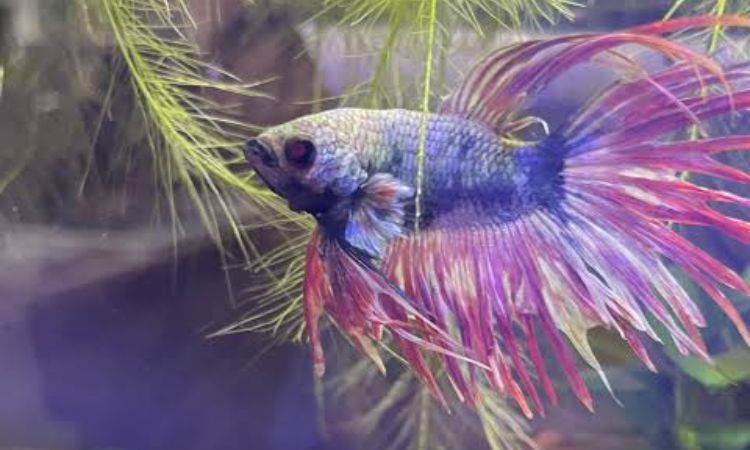
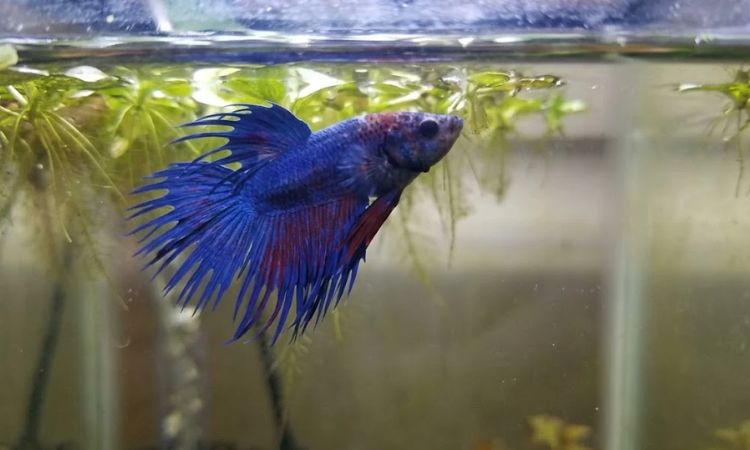
The Crowntail Betta is one of the most unmistakable varieties of Betta splendens, instantly recognized by its dramatic, crown-like fins that give it a bold, almost regal appearance. Unlike other bettas with smooth, flowing tails, the Crowntail features elongated fin rays separated by reduced webbing, creating the signature spiked silhouette that has captivated aquarists around the world.
Beyond its striking looks, this intelligent and curious fish is known for its interactive personality, vibrant colors, and impressive displays. Whether you’re setting up your first betta aquarium or searching for a truly eye-catching centerpiece, this guide covers everything you need to know about Crowntail Betta care, tank mates, breeding, lifespan, feeding, and creating the ideal habitat for a healthy, thriving fish.
Understanding the Crowntail Betta
The Crowntail Betta (Betta splendens) is one of the most recognizable and eye-catching betta varieties in the aquarium hobby. This unique tail type was first developed by breeders in Indonesia during the late 1990s through selective breeding. Since then, it has become a favorite among aquarists thanks to its dramatic appearance and energetic personality.
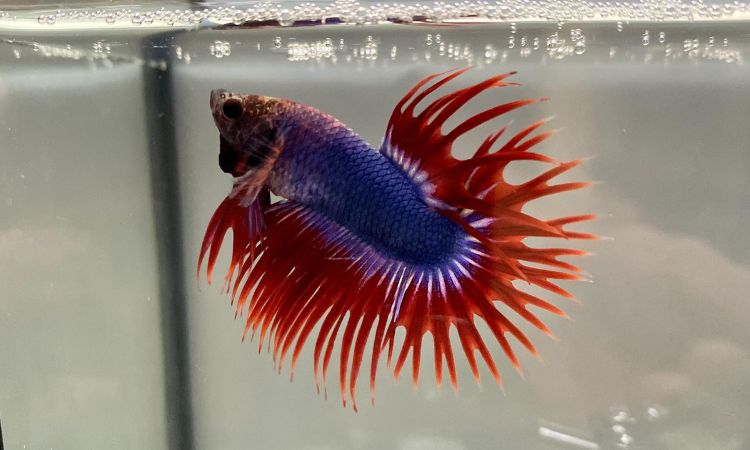
Unlike Halfmoon or Veiltail bettas, a Crowntail’s fins have reduced webbing between the fin rays. This creates long, pointed extensions that resemble the spikes of a crown or comb, giving the fish its distinctive name. The effect is most noticeable on the caudal (tail) fin but also appears on the dorsal and anal fins, producing a bold, spiky silhouette that stands out in any aquarium.
Crowntail Bettas are available in an impressive range of colors and patterns. Popular solid colors include deep red, royal blue, purple, black, white, and yellow, while more specialized varieties feature metallic sheens, pastel tones, dragon-scale patterns, marble and koi markings, butterfly patterns, and striking bicolor combinations. Rare strains such as Black Orchid, Mustard Gas, Candy, and King Crowntail are especially prized by collectors and breeders for their unique appearance and selective genetics.
Crowntail Betta Size and Lifespan
Adult Crowntail Bettas typically reach 2.5 to 3 inches (6–7.5 cm) in body length, not including their flowing fins. Males usually develop larger, more elaborate finnage, while females have shorter fins and a slightly more compact appearance.
With proper husbandry, a Crowntail Betta generally lives 3 to 5 years, though some individuals may exceed this with excellent genetics and consistent care. Their lifespan depends heavily on maintaining stable water conditions, a nutritious carnivorous diet, and a stress-free environment. Because their delicate fin rays are more exposed than those of many other betta varieties, pristine water quality is especially important to reduce the risk of fin rot, fungal infections, and other fin-related health issues.
Regular water changes, a heated and filtered aquarium, and prompt attention to any signs of illness can help your Crowntail remain active, colorful, and healthy throughout its life. While they are no more difficult to care for than most other domesticated bettas, their distinctive fins reward attentive fish keepers with one of the most spectacular displays in the freshwater aquarium hobby.
Crowntail Betta Care Requirements
Creating the right environment is one of the most important parts of keeping a Crowntail Betta healthy. While these fish are often considered beginner-friendly, their impressive crown-like fins need stable water conditions and a thoughtfully arranged aquarium to stay vibrant and damage-free. A proper setup allows your Crowntail to display its natural behaviors, explore comfortably, and maintain its striking appearance.
Minimum Tank Size (Debunking the Bowl Myth)
One of the biggest misconceptions about Betta fish is that they can thrive in small bowls or decorative containers. While Bettas can survive temporarily in limited spaces because they possess a labyrinth organ that allows them to breathe air from the surface, survival is very different from providing a healthy home.
A 5-gallon aquarium is a recommended minimum size for a Crowntail Betta, although larger tanks are even better. More water volume creates a more stable environment, making it easier to maintain consistent temperature and water quality. It also gives your fish enough room to swim without constantly brushing against decorations that could tear its delicate fin rays.
A properly sized aquarium should include:
- A secure lid to prevent jumping
- A heater to maintain tropical temperatures
- A gentle filter for water quality
- Open swimming areas and resting spots
Crowntail Bettas are especially sensitive to poor water conditions because their extended fin rays have more exposed surface area. A clean, stable aquarium helps prevent issues such as fin rot, fungal infections, and stress-related health problems.
Water Parameters Cheat Sheet
Maintaining stable water parameters is essential for keeping a Crowntail Betta active and colorful. Sudden changes are often more harmful than slightly imperfect conditions, so consistency should always be the priority.
Ideal Crowntail Betta water parameters:
- Temperature: 75–86°F (24–30°C)
- pH: 6.0–8.0
- Ammonia: 0 ppm
- Nitrite: 0 ppm
- Nitrate: Ideally below 20 ppm
A reliable aquarium heater helps prevent temperature fluctuations, especially in cooler rooms. Water that is too cold can slow a betta’s metabolism, weaken its immune system, and increase the risk of disease.
Before adding your fish, the aquarium should be properly cycled to establish beneficial bacteria that break down toxic waste. Regular water testing and routine water changes help maintain a safe environment.
During water changes, always use a quality water conditioner to remove chlorine, chloramines, and other harmful substances from tap water.
Filtration and Water Flow
A filter is an essential part of a Crowntail Betta aquarium because it helps remove waste, supports beneficial bacteria, and keeps the water healthier between maintenance sessions.
However, Crowntail Bettas do not appreciate strong currents. Their large, delicate fins can make swimming against powerful water movement tiring and stressful.
The ideal filtration setup should provide:
- Gentle water circulation
- Effective biological filtration
- Minimal surface turbulence
Sponge filters are a popular choice because they provide gentle filtration while creating a safe environment for long-finned Bettas. If using a stronger filter, an adjustable flow setting or a pre-filter sponge can help reduce the current.
A healthy Crowntail should be able to swim normally throughout the aquarium without constantly being pushed around by the filter output.
Lighting and Decor
Crowntail Bettas do not require intense lighting, but a consistent day-and-night schedule helps maintain natural behavior. Moderate aquarium lighting for around 8–10 hours per day is usually sufficient.
Bright, harsh lighting can make some Bettas feel exposed, so adding plants and shaded areas can help them feel more secure.
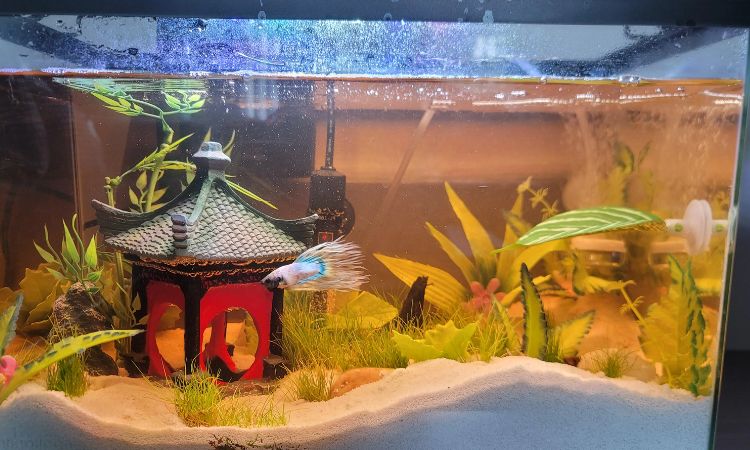
For decorations, choose items carefully because Crowntail fins can easily snag or tear on rough surfaces. Recommended additions include:
- Live or silk plants with soft leaves
- Floating plants for shade and cover
- Smooth caves or shelters
- Gentle resting areas near the surface
Plants such as Anubias, Java fern, and floating plants are excellent choices because they provide cover without creating sharp edges. Many Bettas also enjoy resting on broad leaves or near floating plant roots.
Avoid plastic plants with hard, pointed edges and decorations with rough textures that could damage the fin rays.
A well-designed Crowntail Betta habitat should balance beauty with safety. With clean water, gentle filtration, comfortable temperatures, and a carefully decorated aquarium, your Crowntail will have the ideal environment to thrive and show off the dramatic fins that make this variety so popular among fish keepers.
What Do Crowntail Bettas Eat?
Feeding a Crowntail Betta the right diet is essential for maintaining its vibrant colors, healthy fins, and active personality. Although these fish are often admired for their dramatic appearance, they are still carnivorous predators with nutritional needs that are very different from many common community aquarium fish. A balanced, protein-rich diet helps support strong immunity, proper growth, and the energy needed for normal swimming and exploration.
Carnivorous Dietary Needs
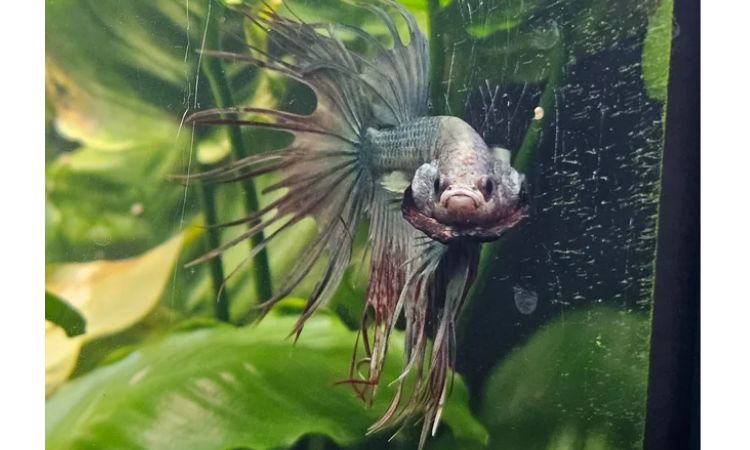
Crowntail Bettas (Betta splendens) are naturally carnivorous fish. In their wild Southeast Asian habitats, they feed on small insects, insect larvae, worms, and other tiny aquatic organisms found near the water’s surface.
Because their digestive system is designed for animal-based foods, Crowntail Bettas require a diet that is high in quality protein. A lack of proper nutrition can lead to faded colors, reduced activity, weakened immunity, and poor fin condition.
When choosing food, look for options that provide:
- High protein levels to support muscle development and energy
- Easily digestible ingredients to reduce bloating and digestive problems
- Essential vitamins and minerals for overall health
- Color-enhancing nutrients that help maintain their natural brilliance
Avoid relying on foods with excessive fillers such as wheat or other low-nutrition ingredients. While some plant-based ingredients may be used in fish foods, they should not replace the animal proteins that Bettas need.
Recommended Foods
A varied diet is the best way to keep a Crowntail Betta healthy and interested during feeding time. High-quality Betta-specific foods should form the foundation of their meals, with occasional treats added for variety.
Betta Pellets
Premium Betta pellets are one of the best everyday food choices because they are specifically formulated for the nutritional needs of Siamese fighting fish. Choose small pellets that are easy for your fish to eat and contain a high percentage of protein.
Quality pellets can help support:
- Healthy fin growth
- Strong coloration
- Proper body condition
- Consistent energy levels
Frozen or Freeze-Dried Foods
Supplementing pellets with frozen or freeze-dried foods provides variety and more closely resembles a Betta’s natural feeding habits.
Good options include:
- Bloodworms: A favorite treat that provides additional protein
- Brine shrimp: A nutritious food that many Bettas readily accept
- Daphnia: Helps provide variety and can support healthy digestion
These foods should be offered as supplements rather than replacing a complete Betta pellet diet.
High-Quality Flake Foods
Some Bettas will accept flakes, but they should be specifically designed for carnivorous tropical fish or Bettas. Pellets are generally preferred because they are easier to portion and create less waste.
Feeding Best Practices
Crowntail Bettas have small stomachs, so portion control is important. Overfeeding is one of the most common mistakes among Betta keepers and can quickly lead to health problems.
Follow these feeding guidelines:
- Feed 1–2 small meals per day
- Offer only what your Crowntail Betta can consume within 2–3 minutes
- Remove uneaten food to prevent water quality issues
- Provide occasional fasting days if your fish tends to become bloated
A healthy feeding routine should include observation. A Crowntail Betta that eagerly swims toward food is usually showing normal behavior, while sudden changes in appetite may indicate stress, illness, or poor water conditions.
It is also important to avoid feeding the same food every day for months without variety. Combining a reliable staple pellet with occasional protein-rich treats helps provide a more complete nutritional profile.
With the right diet and careful feeding habits, your Crowntail Betta can maintain its stunning colors, strong fins, and active personality while enjoying a healthier, longer life in your aquarium.
Crowntail Betta Tank Mates
Choosing the right tank mates for a Crowntail Betta can be challenging because these fish are known for their bold personalities and territorial instincts. While some Crowntail Bettas can peacefully share an aquarium with other species, others may prefer living alone. Success depends on the Betta’s individual temperament, tank size, hiding spaces, and selecting companions that are calm, non-aggressive, and unlikely to damage its delicate fins.
The goal is to create a community environment where your Crowntail Betta feels secure without feeling the need to defend its territory constantly.
Understanding Crowntail Betta Temperament
Crowntail Bettas are a variety of Betta splendens, a species naturally known for territorial behavior. Male Bettas, in particular, are often highly protective of their space and may display aggression when they encounter another fish that they perceive as a threat.
A male Crowntail Betta may:
- Flare its fins and gills to appear larger.
- Chase other fish away from its preferred area.
- Defend hiding spots, plants, or resting areas.
- Become stressed if the aquarium feels overcrowded.
However, aggression levels vary between individual Bettas. Some males are curious and tolerate peaceful tank mates, while others may attack anything that enters their space. Always monitor your Betta carefully when adding new companions.
Why Male Crowntail Bettas Cannot Live Together
Two male Crowntail Bettas should never be housed in the same aquarium. Male Bettas have been selectively bred for their vibrant colors and impressive fins, but they still retain strong fighting instincts.
When placed together, two males may:
- Constantly flare at each other.
- Chase and bite.
- Tear each other’s fins.
- Cause severe injuries or death.
Even a large tank usually does not solve this problem because the issue is behavioral rather than simply a lack of space.
Best Tank Mates for Crowntail Bettas
The best companions for a Crowntail Betta are peaceful species that stay away from its territory, do not nip fins, and prefer different areas of the aquarium.
Corydoras Catfish
Corydoras catfish are one of the most popular choices for Betta community tanks. These peaceful bottom dwellers spend most of their time searching through the substrate, which keeps them away from the Betta’s swimming area.
Why they work well:
- Peaceful and non-aggressive.
- Stay near the bottom of the tank.
- Rarely interact with Bettas.
- Add activity without creating competition.
Corydoras are social fish and should be kept in groups rather than alone. A properly sized group in a planted aquarium can make excellent companions for a Crowntail Betta.
Kuhli Loaches
Kuhli loaches are another peaceful bottom-dwelling option. Their shy nature and preference for hiding places make them unlikely to challenge a Betta.
They are a good match because they:
- Avoid the Betta’s territory.
- Are peaceful and gentle.
- Enjoy planted tanks with caves and cover.
- Are active mostly during calmer periods.
Providing driftwood, plants, and hiding areas helps Kuhli loaches feel comfortable.
Nerite Snails
Nerite snails are among the safest tank mates for Crowntail Bettas. They are not competitors and usually do not attract aggressive behavior.
Benefits include:
- Excellent algae control.
- Peaceful nature.
- Minimal interaction with fish.
- Hard shells that provide protection.
Most Bettas quickly lose interest in Nerite snails after investigating them.
Mystery Snails
Mystery snails can also work well with many Crowntail Bettas. Their larger size makes them less likely to be viewed as prey compared with smaller shrimp.
They are appreciated because they:
- Have calm behavior.
- Add personality to the aquarium.
- Help clean leftover food and algae.
Because mystery snails produce more waste than Nerite snails, regular maintenance and good filtration are important.
Amano Shrimp
Amano shrimp can sometimes coexist with Crowntail Bettas, especially in heavily planted aquariums.
They provide benefits such as:
- Helping control algae.
- Adding natural cleanup activity.
- Staying mostly out of the Betta’s way.
However, not every Betta accepts shrimp. Some Crowntail Bettas have strong hunting instincts and may chase or eat them. Adding plants, moss, and hiding areas increases the shrimp’s chances of survival.
Harlequin Rasboras
For larger aquariums, Harlequin rasboras are one of the better schooling fish choices for a Crowntail Betta.
They are:
- Peaceful.
- Active swimmers.
- Unlikely to nip fins.
- Comfortable in planted community setups.
They should be kept in groups because schooling behavior helps reduce stress. A tank of around 10 gallons or larger is generally more suitable when combining a Betta with schooling fish.
Endlers Livebearers
Endlers livebearers are small, fast-moving fish that may work with some Crowntail Bettas.
Their quick swimming style can help them avoid conflicts, but caution is needed because brightly colored males may sometimes trigger territorial reactions from Bettas.
If kept together:
- Use a properly sized aquarium.
- Provide plants and visual barriers.
- Observe behavior closely after introduction.
Tank Mates to Avoid
Some fish should not be kept with Crowntail Bettas because they can create stress, injury, or constant conflict.
Fin-Nipping Fish
Avoid species known for biting fins, including:
- Tiger barbs.
- Serpae tetras.
- Other aggressive fin-nippers.
Crowntail Bettas have delicate fin rays that can easily become damaged. Repeated fin damage can lead to stress and infections such as fin rot.
Long-Finned or Similar-Looking Fish
Avoid fish that may be mistaken for rivals, including:
- Fancy guppies.
- Long-finned gouramis.
- Other ornamental fish with flowing fins.
A territorial Crowntail Betta may interpret their appearance as a threat and repeatedly attack them.
Other Bettas
Other Bettas should not share a tank with a Crowntail Betta except during controlled breeding.
Avoid:
- Two male Bettas together.
- Permanent male-female pairs.
- Multiple Bettas in small community tanks.
Common Health Issues and Disease Prevention
Crowntail Bettas are hardy and resilient fish when kept in stable, clean aquarium conditions, but their elaborate fins and selectively bred genetics can make them vulnerable to certain health problems. Their long, delicate fin rays are especially sensitive to poor water quality, stress, and infections.
The best way to protect your Crowntail Betta is not only knowing how to treat illnesses but also understanding how to prevent them. Consistent maintenance, proper nutrition, and early detection are the foundation of keeping your fish healthy and active.
Fin Rot
Fin rot is one of the most common health problems seen in Crowntail Bettas. Because their signature crown-like fins have thin, extended rays with reduced webbing, they can be more vulnerable to damage and bacterial infections when aquarium conditions decline.
Causes of Fin Rot
Fin rot is usually caused by bacteria that take advantage of weakened fish or poor environmental conditions. Common triggers include:
- Poor water quality.
- High ammonia or nitrite levels.
- Infrequent water changes.
- Excess organic waste from uneaten food.
- Stress caused by unsuitable tank conditions.
- Injuries from sharp decorations or aggressive tank mates.
Crowntail Bettas are particularly sensitive because damaged fin rays can deteriorate quickly if bacteria are allowed to spread.
Symptoms of Fin Rot
Early signs of fin rot may be subtle, so regular observation is important. Look for:
- Frayed or ragged fin edges.
- Fins appearing shorter or uneven.
- Blackened, reddish, or discolored edges.
- Missing sections of fin tissue.
- Reduced activity or hiding more than usual.
A healthy Crowntail Betta should maintain its distinct spiky fin appearance. If the crown-like rays begin disappearing or the fins look like they are melting away, it may indicate a problem.
Treatment and Prevention
The first step in treating fin rot is improving the aquarium environment. Clean water is one of the most effective treatments because it helps the fish’s immune system fight infection and prevents further damage.
Recommended steps include:
- Test water parameters and correct ammonia or nitrite problems.
- Perform regular partial water changes.
- Remove waste and uneaten food.
- Keep the aquarium temperature stable.
- Use antibacterial treatments if the infection is advanced.
Avoid harsh medications unless necessary, as unnecessary treatments can stress your Betta further. In many cases, improving water quality and reducing stress can allow the fins to gradually regrow.
Ich (White Spot Disease)
Ich, also known as white spot disease, is a common parasitic infection that affects many freshwater fish, including Crowntail Bettas. It is caused by the parasite Ichthyophthirius multifiliis, which attaches to the fish’s skin and gills.
Symptoms of Ich
The most recognizable sign of ich is the appearance of small white spots that resemble grains of salt scattered across the fish’s body.
Other symptoms may include:
- Scratching or rubbing against decorations.
- Clamped fins.
- Loss of appetite.
- Increased hiding.
- Rapid breathing if the gills are affected.
A Crowntail Betta with ich may appear uncomfortable and spend more time trying to escape irritation from the parasite.
Treatment Options
Successful treatment requires addressing the parasite while maintaining a safe environment for the fish.
Common approaches include:
- Gradually increasing water temperature to speed up the parasite’s life cycle.
- Using aquarium salt when appropriate.
- Applying commercial ich medications designed for freshwater fish.
Temperature increases should always be done slowly and carefully. Sudden changes can create additional stress and worsen the fish’s condition.
During treatment:
- Remove activated carbon from filters if using medication, as it can absorb treatments.
- Maintain excellent water quality.
- Continue monitoring your Betta’s behavior and appetite.
Preventing ich is easier than treating it. Avoid sudden temperature changes, quarantine new fish before adding them to your aquarium, and maintain stable water conditions.
Dropsy
Dropsy is one of the most serious health conditions that can affect Crowntail Bettas. Unlike fin rot or ich, dropsy is not a single disease but a symptom of internal problems, often involving organ failure, bacterial infections, or severe stress.
Once advanced symptoms appear, treatment becomes much more difficult, making prevention extremely important.
Signs of Dropsy
The most recognizable symptom of dropsy is pineconing, where the fish’s scales stick outward from the body instead of lying flat.
Other warning signs include:
- Severe bloating or swollen abdomen.
- Raised scales creating a pinecone-like appearance.
- Loss of appetite.
- Lethargy.
- Difficulty swimming.
- Pale coloration.
Pineconing usually indicates that fluid is building up inside the fish’s body due to internal organ problems.
Why Prevention Matters
Because dropsy often develops from underlying health issues, maintaining excellent care is the best defense.
Important prevention steps include:
- Keeping water parameters stable.
- Performing regular water changes.
- Avoiding overfeeding.
- Providing a high-quality, protein-rich diet.
- Reducing unnecessary stress.
- Monitoring your Betta for early signs of illness.
A balanced diet is especially important because poor nutrition can weaken the immune system and contribute to long-term health problems. Crowntail Bettas benefit from high-quality Betta pellets supplemented with occasional frozen or live foods such as brine shrimp or bloodworms.
Step-by-Step Guide to Breeding Crowntail Bettas
Preparation and Conditioning
Successful Crowntail Betta breeding starts with choosing a healthy, mature pair. Select a male that is active, displays vibrant colors, builds bubble nests, and has strong, well-formed fins. The female should also be healthy, energetic, and show signs of maturity, such as a rounded belly from developing eggs and visible breeding stripes.
Before breeding, condition the pair separately for 1–2 weeks with a high-protein diet. Offer foods such as frozen bloodworms, brine shrimp, daphnia, and high-quality Betta pellets to improve their strength, energy, and reproductive readiness.
Setting Up the Breeding Tank
Prepare a dedicated breeding tank rather than using the male’s regular aquarium. A 5–10 gallon tank works well, with water kept shallow at around 5–6 inches deep to make it easier for the male to collect and care for eggs.
Use gentle or no filtration during breeding because strong currents can damage the bubble nest. Add floating plants, Indian almond leaves, spawning mops, or floating containers to provide support for bubble nest construction and give the female places to hide.
Maintain warm, stable water conditions around 78–82°F (25–28°C) with clean, slightly acidic water to encourage spawning behavior.
The Spawning Process
Introduce the female carefully by placing her inside a transparent breeding container within the male’s tank. This allows them to see each other while preventing immediate aggression. A receptive male will usually begin displaying, flaring his fins, and building a bubble nest. A ready female may show vertical breeding stripes and a visible egg spot.
Once the female is released and both fish show proper breeding behavior, the pair will perform the spawning embrace, often called the “labyrinth embrace.” The male wraps around the female as she releases eggs, which he then collects and places into the bubble nest.
After spawning is complete, remove the female immediately. Male Crowntail Bettas become highly protective of the nest and may attack the female after breeding.
Caring for Crowntail Betta Fry
The male will guard the bubble nest and care for the eggs until they hatch, which usually takes 24–48 hours. Once the fry become free-swimming after approximately 3–5 days, remove the male to prevent him from eating the young.
Newly hatched fry require very small foods. Begin with infusoria or vinegar eels, then transition to newly hatched brine shrimp as they grow. Maintain excellent water quality through careful maintenance, as young Betta fry are extremely sensitive to poor conditions.
With proper preparation, stable water conditions, and attentive care, breeding Crowntail Bettas can be a rewarding experience that allows hobbyists to observe the fascinating life cycle of one of the most unique Betta varieties.